Author: Vinny Benson

Therapeutic Interchange Guide: How Providers Manage Within-Class Substitutions
Learn the truth about therapeutic interchange: why providers swap medications within the same class to save costs and improve clinical outcomes.

Digital Consultation Tools for Generic Drug Interactions: A Complete Guide
Explore the best digital consultation tools for detecting generic drug interactions. Learn how Epocrates, Micromedex, and AI tools improve patient safety and reduce risks.

Non-formulary generics: what to do when coverage is denied
When your insurance denies coverage for a generic medication, you still have rights. Learn how to appeal, what documentation your doctor needs, and how to reduce out-of-pocket costs - even if the drug isn't on the formulary.

Parasitic Infections: Giardia, Pinworms, and How to Treat Them
Giardia and pinworms are two of the most common parasitic infections worldwide. Learn how they spread, what symptoms to watch for, and the most effective treatments-plus how to stop reinfection.

Grapefruit Juice and Medications: What You Need to Know Before You Drink
Grapefruit juice can dangerously increase levels of many common medications, leading to serious side effects. Learn which drugs are affected, why it happens, and what to do to stay safe.

Patient Vigilance: How You Can Spot Fake Medicines and Protect Yourself
Learn how to spot fake medicines by checking packaging, pills, and online sources. Your vigilance is the last line of defense against counterfeit drugs that can harm or kill.

Spicy Foods and GI-Irritating Medications: How to Reduce Heartburn Risk
Spicy foods and common medications can worsen heartburn by relaxing the lower esophageal sphincter. Learn how to reduce risk through timing, diet, and smarter medication use-backed by clinical data and real patient outcomes.

WHO Model Formulary: How International Standards Shape Global Access to Essential Generics
The WHO Model Formulary guides global access to affordable, quality generics by identifying life-saving medicines based on public health need, safety, and cost-effectiveness - helping over 150 countries ensure essential drugs reach those who need them most.

How Nurses Counsel Patients on Generic Medications: A Practical Guide
This article explains how nurses effectively counsel patients on generic medications, addressing common concerns and providing practical steps for improving adherence. It covers FDA standards, real-world examples, and tools nurses use to ensure patients understand therapeutic equivalence.
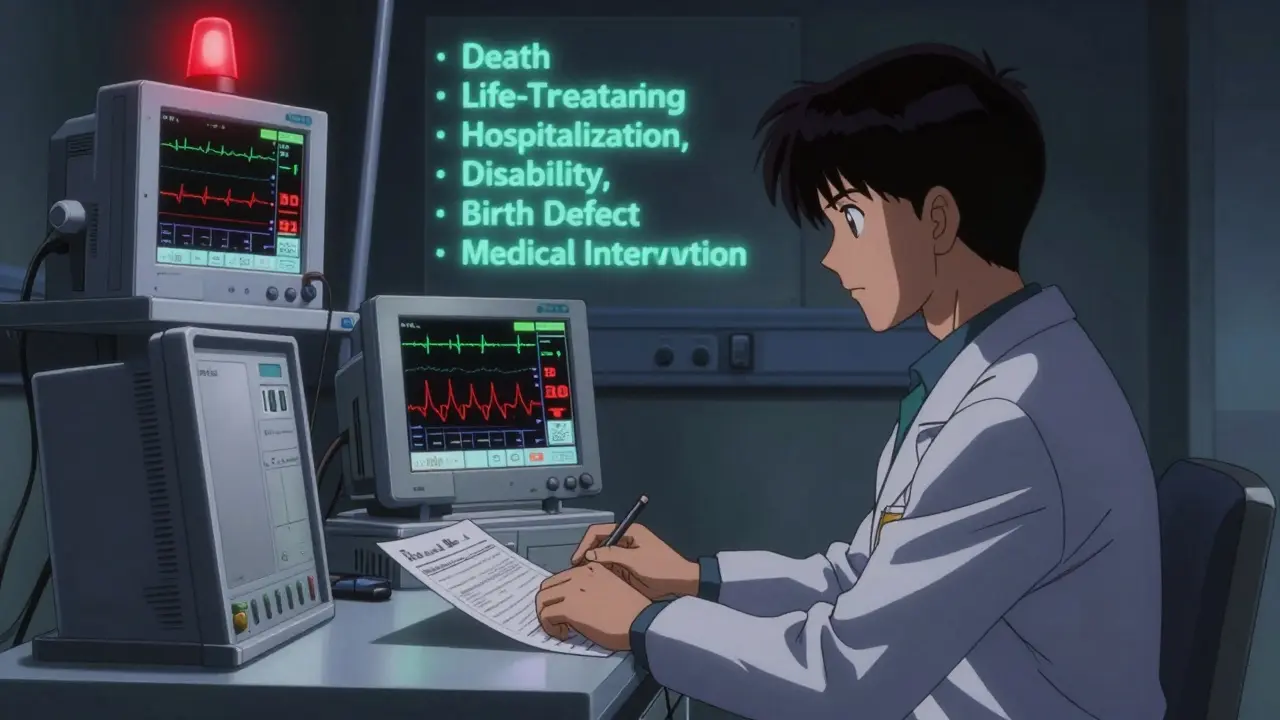
Serious vs Non-Serious Adverse Events: When to Report in Clinical Trials
Learn the critical difference between serious and non-serious adverse events in clinical trials, when to report each, and how misclassifying them can delay life-saving safety alerts. Based on FDA, ICH, and NIH guidelines.