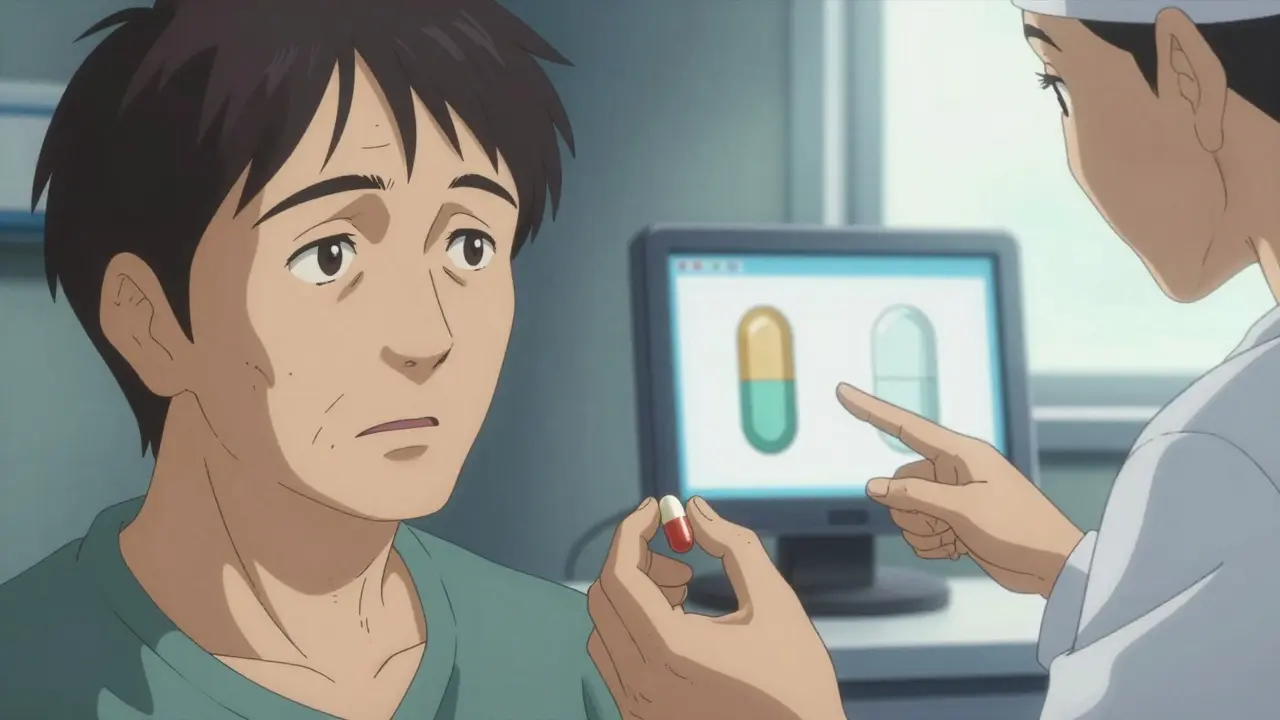
When patients receive a prescription for generic medications, they often have questions-especially if they're used to the brand-name version. Did you know that 90% of all prescriptions filled in the U.S. are generics? Yet many patients worry they're less effective. Nurses play a critical role in addressing these concerns. In fact, 78% of medication errors happen during administration phases where nursing intervention is crucial (ISMP Medication Safety Alert, 2022). Let's explore how nurses effectively guide patients through this process.
Why Patients Worry About Generics
Many patients believe generics are inferior because of visible differences in pill color, shape, or size. According to the FDA's 2021 Consumer Survey, 68% of patients think brand-name drugs work better. This fear often stems from misinformation or past experiences where they noticed changes in their medication's appearance. Nurses hear these concerns daily and must address them with clear, evidence-based explanations. For example, a patient might ask, "Is this really the same medicine?" or "Why does it look different?" Nurses need to reassure patients that these changes don't affect the drug's effectiveness.
What Nurses Need to Know About FDA Standards
The FDA requires bioequivalence between generic and brand-name drugs. This means the drug must deliver the same amount of active ingredient at the same rate as the brand-name version. Specifically, blood concentration levels must stay within 80-125% of the brand-name drug's levels. This standard ensures therapeutic equivalence. The Hatch-Waxman Act of 1984 established these rules, creating a clear pathway for generic approval. Nurses should reference the FDA Orange Book when explaining this to patients. It lists all approved generics and their therapeutic equivalence ratings.
The Nursing Counseling Process
Nurses follow a structured approach when counseling patients about generics. The ISMP's 5-step framework is widely used:
- Pre-counseling assessment (2 minutes): Ask what the patient already knows about their medication.
- Plain-language explanation (3 minutes): Explain bioequivalence standards without jargon. For example, "This generic has the same active ingredient as your brand-name drug-it just looks different because of the fillers used."
- Address appearance concerns (2 minutes): Show patients the FDA's "It's the Same Medicine" materials or compare pill images on the Orange Book.
- Teach-back verification (2 minutes): Ask the patient to explain back what they understood. This is required in 92% of Magnet-status hospitals (ANCC, 2022).
- Documentation (1 minute): Record the counseling session in the electronic health record.
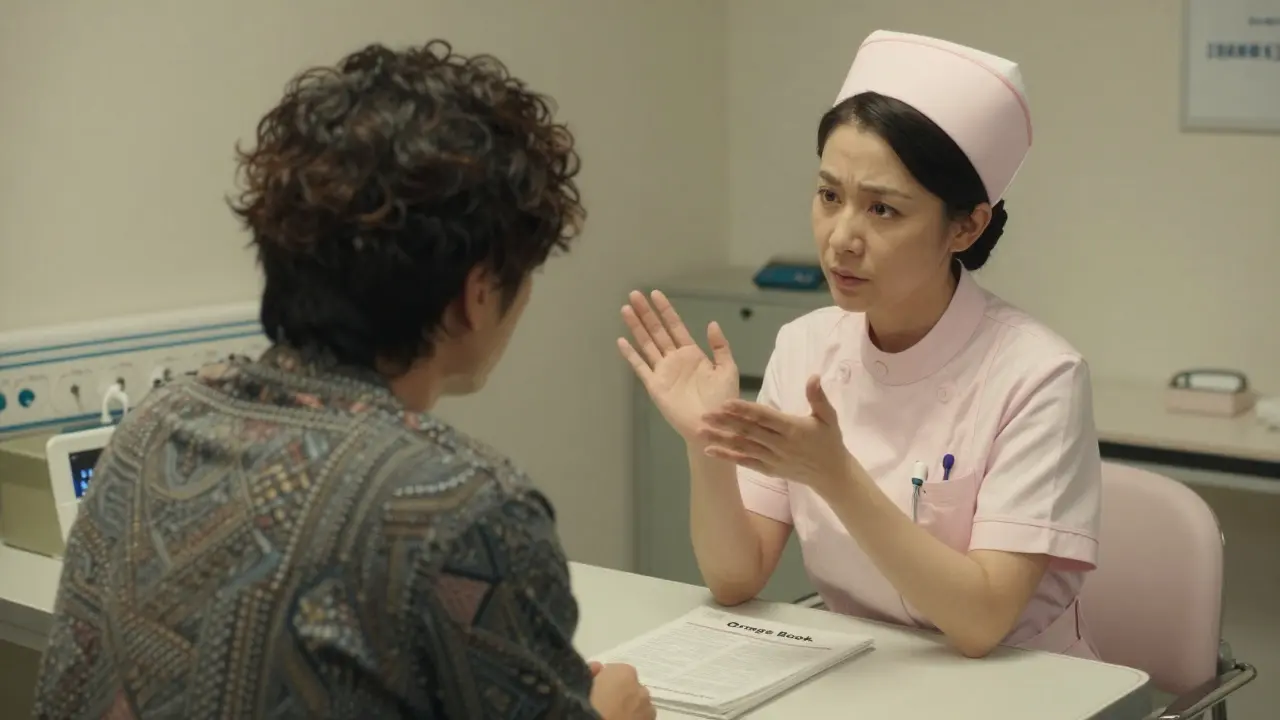
Common Patient Concerns and Solutions
Some patients have specific worries that require tailored responses. For example:
- Narrow therapeutic index drugs (like warfarin or levothyroxine): Patients often fear small changes could cause harm. Nurses should explain that while these drugs require extra care, the FDA ensures generics meet the same strict standards. A 2023 case study in the American Journal of Health-System Pharmacy showed that 68% of non-adherence issues stemmed from unaddressed concerns about generics.
- Color or shape changes: A nurse at Johns Hopkins Hospital shared, "When I show patients the FDA Orange Book on my tablet and explain that the color difference comes from inactive ingredients, their anxiety drops dramatically." Visual aids like pill comparison charts are highly effective.
- Cost concerns: Patients sometimes assume generics are "cheap" because they're less effective. Nurses can clarify that generics save money without sacrificing quality, with 90% of prescriptions being generics due to their proven safety.
Real-World Nursing Experiences
ICU nurse Mark Johnson described a case where a patient on warfarin became anxious after a pill color change. He spent 15 minutes explaining the FDA's bioequivalence standards and showed them the Orange Book entry. The patient later thanked him for easing their fears. Similarly, RN Sarah Mitchell from Johns Hopkins uses the FDA's "It's the Same Medicine" materials during counseling. She notes, "When patients see the official FDA documentation, they trust the process." These real-world examples highlight how personalized, evidence-based communication builds trust.
Tools and Resources for Nurses
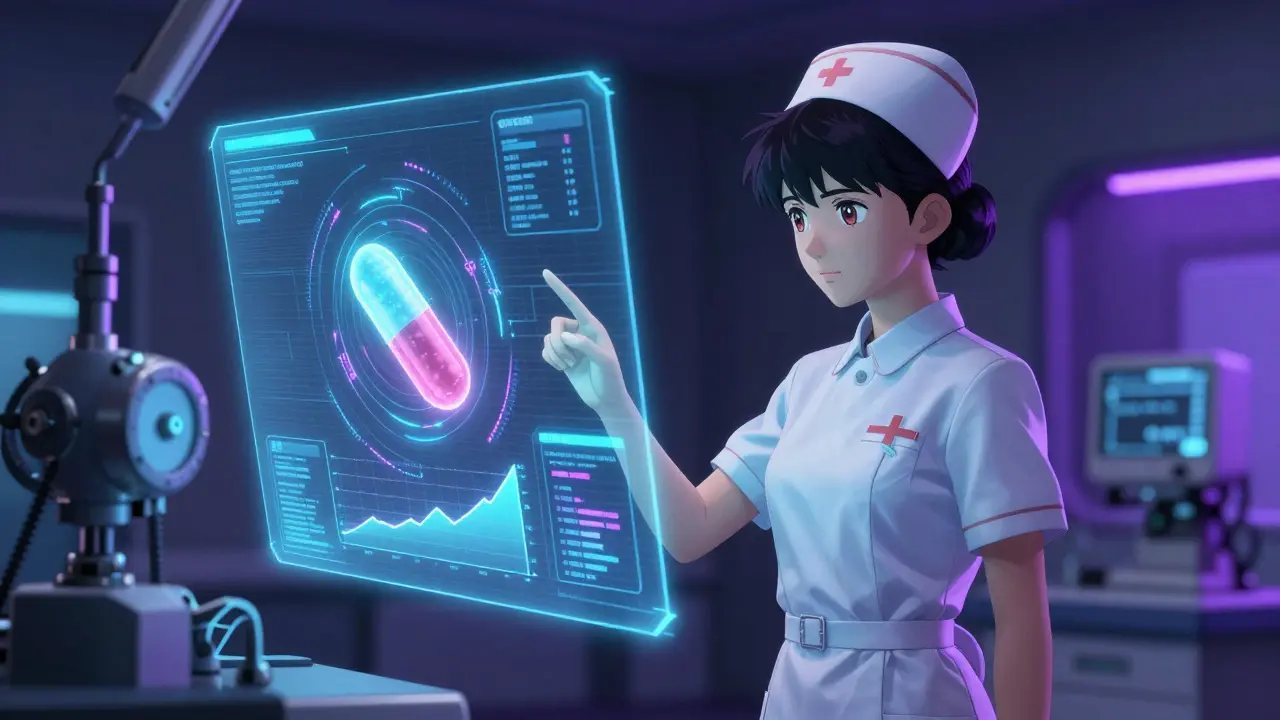
Modern healthcare systems provide tools to support nursing counseling. Epic and Cerner EHR systems now include mandatory documentation fields for generic substitution discussions, with 67% of healthcare systems implementing these features by 2023 (HIMSS Analytics). Nurses can access the FDA Orange Book online for quick reference. The National Council for Prescription Drug Programs (NCPDP) Standard 10-2022 mandates eight essential counseling elements, including medication name, dosage form, and storage requirements. Many hospitals also use standardized scripts approved by pharmacy committees to ensure consistency. For language barriers, the CDC reports 28% of counseling attempts face challenges, so using translated materials or interpreter services is critical.
Future Trends in Nursing Counseling
As biosimilars grow (projected 300% increase by 2028 per IQVIA), nursing training will expand to cover these complex biologic medications. The Nursing Generic Medication Education Collaborative, launched in January 2024, aims to standardize counseling across 500 hospitals by 2026. AI-powered tools are also emerging-45% of healthcare systems now use AI to provide real-time FDA Orange Book data at the point of care (HIMSS 2023 Nursing Technology Survey). Additionally, CMS's proposed 2024 rule will require documentation of generic counseling for all Medicare beneficiaries, affecting 60 million patients. Nurses must stay updated on these changes to maintain high-quality care.
Are generic medications as safe as brand-name drugs?
Yes. The FDA requires generics to have identical active ingredients, strength, dosage form, and route of administration as brand-name drugs. They must also meet strict bioequivalence standards (80-125% of the brand-name drug's effects) to ensure they work the same way in the body. Manufacturing facilities for generics follow the same quality controls as brand-name producers. Minor differences in inactive ingredients (like fillers or dyes) may occur but rarely affect safety or effectiveness.
Why do generic pills look different?
Generic medications often have different colors, shapes, or sizes because trademark laws require them to look distinct from brand-name drugs. These differences come from inactive ingredients like dyes or binders, which don't affect the drug's therapeutic action. Nurses can show patients the FDA Orange Book to explain that appearance changes don't impact effectiveness. For example, a blue pill might become white, but the active ingredient remains the same.
Can I switch between different generic brands?
Yes, as long as both generics are FDA-approved and listed as therapeutically equivalent in the Orange Book. However, for narrow therapeutic index drugs like warfarin or lithium, switching between different generic manufacturers may require extra monitoring. Nurses should always check the specific drug's bioequivalence data and consult with pharmacists if needed. Most patients tolerate switches without issues, but consistent communication is key.
How do nurses verify patient understanding?
Nurses use the "teach-back" method: after explaining, they ask patients to repeat the information in their own words. For example, "Can you tell me when and why you take this medication?" This ensures patients truly understand and allows nurses to correct misunderstandings immediately. Magnet-status hospitals require teach-back documentation in 92% of cases (ANCC, 2022), making it a standard practice for safe medication administration.
What should I do if my generic medication seems different?
If you notice unexpected changes in your medication-like a different color, shape, or side effects-contact your nurse or pharmacist immediately. They can verify if it's a legitimate generic substitution or if there's an issue. For narrow therapeutic index drugs, even small changes may need monitoring. Nurses often keep visual reference guides to help patients recognize normal variations versus potential problems. Never stop taking medication without professional advice.

Jennifer Aronson
When patients receive generic medications, it's crucial for nurses to address their concerns.
Many worry about differences in appearance, but the FDA requires strict bioequivalence.
Studies show that 90% of prescriptions are generics, and they're just as effective.
The Hatch-Waxman Act ensures this.
Nurses should explain that the color or shape changes are due to inactive ingredients, not the active drug.
For example, showing the FDA Orange Book can help.
Teach-back method is essential-ask patients to repeat the info.
This ensures understanding.
Also, for narrow therapeutic index drugs like warfarin, extra care is needed.
Real-world examples, like Mark Johnson's case, show how proper counseling eases fears.
Tools like EHR documentation help track these discussions.
Future trends include AI tools for real-time data.
It's all about building trust through clear communication.
Nurses are key in this process.
Kate Gile
I completely agree with Jennifer's points. Nurses really do make a difference by taking the time to explain these details. It's amazing how simple things like showing the FDA Orange Book can ease patient anxiety. We should all be advocating for this kind of patient education. Keep up the great work!
lance black
Generics work just fine. No need to overthink it.
Gregory Rodriguez
Oh sure, because nothing says 'trustworthy' like a pill that's a different color. Must be the same medicine. /s
Jenna Elliott
Generics are the same. FDA says so. Stop worrying. End of story.
Pamela Power
While Jenna's point is valid, it's oversimplified. Patients have legitimate concerns about narrow therapeutic index drugs. Proper counseling is essential, not just dismissive statements.
Cullen Bausman
The FDA's rigorous standards ensure generic medications are safe. Any doubt is misplaced. Proper education by nurses is non-negotiable for patient safety.
anjar maike
This is important info! 🌏 Nurses do great work. 💊