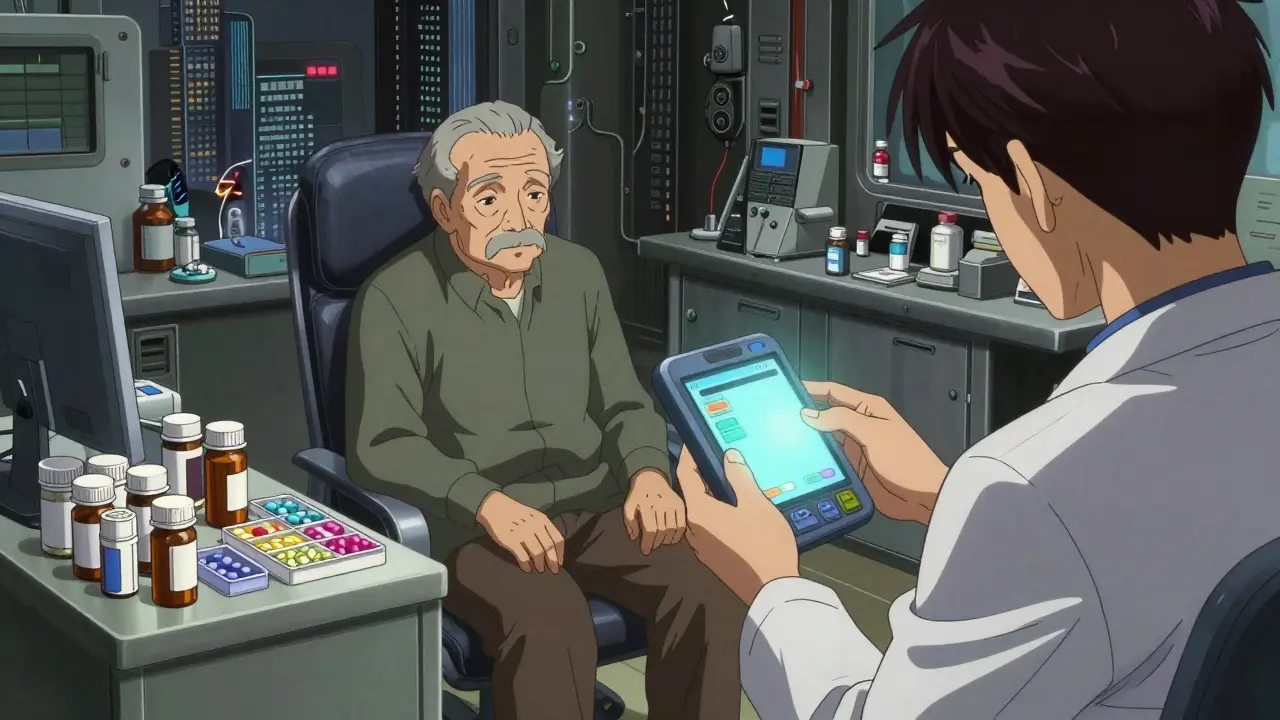
Mixing medications might seem straightforward, but for someone taking multiple prescriptions, it is a pharmacological minefield. With the average person over 65 taking nearly five different drugs at once, the risk of a dangerous reaction is incredibly high. This is where digital consultation tools is specialized software designed to identify and analyze potential pharmacological conflicts between medications, specifically focusing on generic drug formulations. These tools act as a safety net, catching lethal combinations before they ever reach the patient.
Why Interaction Checkers Matter for Generic Drugs
When you switch from a brand-name medication to a generic version, the active ingredient remains the same, but the overall formulation can differ. While most generics are bioequivalent, the way they interact with other drugs-known as drug-drug interactions (DDIs)-can still lead to severe adverse effects. Whether it is a blood thinner reacting with a common painkiller or a blood pressure med clashing with a supplement, the stakes are high.
Medical professionals rely on these digital tools to combat polypharmacy-the simultaneous use of multiple drugs. According to data from the Journal of the American Medical Association, the complexity of modern medication regimens makes manual checking nearly impossible. Digital tools automate this process, reducing preventable adverse drug events by roughly 27% in institutions that use comprehensive clinical decision support systems.
Top Digital Tools for Checking Drug Interactions
Not all interaction checkers are built the same. Some are designed for a quick check on a smartphone during a house call, while others are massive databases integrated into hospital records. Depending on whether you are a clinician, a researcher, or a patient, your choice of tool will change.
Epocrates is a heavyweight in the mobile space. It is widely regarded as one of the best overall reference apps because it allows users to check up to 30 different drugs-including generics and herbal supplements-at the same time. Its intuitive interface means most people can get comfortable using it in about 15 minutes.
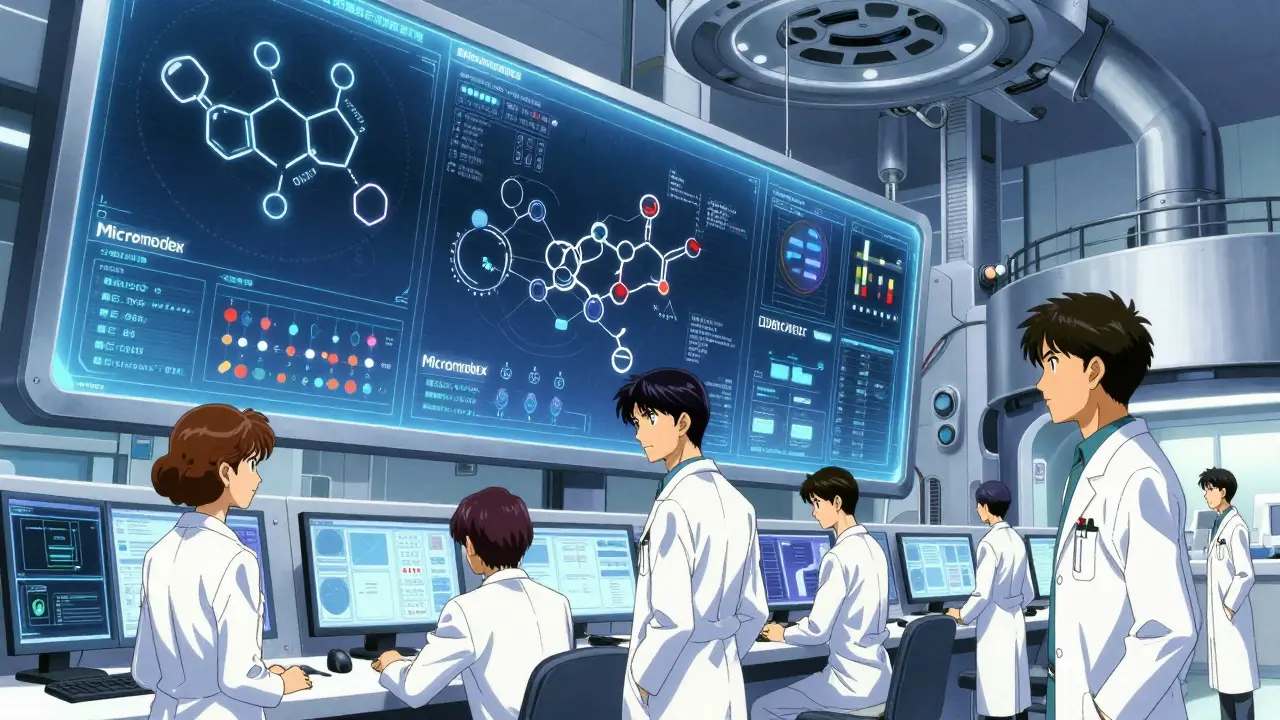
Micromedex, provided by Merative, is the gold standard for hospital environments. It doesn't just check for interactions; it provides over 2,500 evidence-based monographs and specialized features like IV compatibility checking. Because it integrates directly into Electronic Health Records (EHR), it's a staple in 89% of U.S. hospitals.
For those in academia or research, DDInter is a vital resource. Launched in 2021 by Chongqing University, it is an open-access system that explains the actual mechanism of how one drug alters the clinical effect of another. While it only allows checking five drugs at once, its depth of pharmacological data is immense.
| Tool | Max Drugs Checked | Best Use Case | Key Unique Feature |
|---|---|---|---|
| Epocrates | 30 | Outpatient/Mobile | High speed & supplement coverage |
| Micromedex | High (Enterprise) | Hospital/Clinical | IV compatibility & EHR integration |
| UpToDate Lexidrug | 50+ | Clinical Decision | Detailed overdose treatment info |
| DDInter | 5 | Research/Academic | Free open-access DDI mechanisms |
| DrugBank Online | 5 | Research/Bioinformatics | Deep molecular data |
The Trade-offs: Accuracy vs. Alert Fatigue
No software is perfect. One of the biggest hurdles in digital health is "alert fatigue." This happens when a tool flags too many potential interactions-many of which are clinically insignificant-causing doctors to ignore the warnings. In some cases, clinicians ignore between 49% and 96% of alerts because the system is too noisy.
Furthermore, there is the risk of false negatives. Reports from the American Medical Informatics Association show that some platforms miss between 8% and 32% of significant interactions depending on the drug class. This means a digital tool should be used as a guide, not a replacement for clinical judgment. A pharmacist's expertise is still the final line of defense.

How to Implement These Tools Effectively
If you are integrating these tools into a professional workflow, the approach varies by setting. In a small clinic, a mobile app like mobilePDR is often enough, as it provides updated summaries within a week of manufacturer changes. However, in a large hospital, a full-scale rollout of a system like Micromedex can take three to six months due to the need for staff training and system integration.
To get the most out of these tools, consider these practical tips:
- Customize Thresholds: Adjust the severity levels of alerts to reduce noise and fight alert fatigue.
- Verify Supplements: Always include herbal supplements and over-the-counter meds, as these often cause the most surprising interactions with generics.
- Cross-Reference: For high-risk patients, use two different tools to minimize the chance of a false negative.
The Future: AI and Predictive Analysis
We are moving away from reactive databases and toward predictive AI. For example, DDInter Version 2.0 is incorporating machine learning to predict interactions that haven't even been documented in clinical trials yet. Similarly, the acquisition of InteracDx by Merative aims to use AI to cut false positives by 35%, making alerts more meaningful and less annoying.
The FDA is also prioritizing improved algorithms in its Digital Health Innovation Action Plan. As we identify over 1,500 new drug interactions every year, the ability for software to "predict" a conflict based on chemical structure rather than just a list of known reactions will be a game-changer for patient safety.
Are these tools free to use?
It depends on the tool. DDInter is completely free and open-access. Epocrates offers a functional free version, but tools like DrugBank and Micromedex typically require paid subscriptions for full clinical functionality and enterprise integration.
Can I trust a digital checker over a pharmacist?
No. Digital tools are "decision support systems," meaning they support a human's decision; they don't make the decision. Because of false positives and potential false negatives, a licensed pharmacist or physician should always verify the results.
Do these tools cover herbal supplements?
Some do better than others. Epocrates is highly praised for its comprehensive coverage of supplements and over-the-counter drugs, while some more academic tools focus strictly on prescription pharmaceutical compounds.
What is the risk of using generic drugs specifically?
The risk isn't usually with the generic drug itself, but how it interacts with other medications. Since generic drugs are used more widely due to cost, the volume of potential interactions across a population is higher, making digital screening essential.
Which tool is best for emergencies or overdoses?
UpToDate Lexidrug and Drugs.com are among the few major platforms that provide specific overdose treatment information, making them more suitable for emergency clinical settings than basic interaction checkers.

Sam Hayes
most of these tools are great but i've found that checking with a local pharmacist is still the most reliable way to go since they see the actual pills and knows the local batches
Divine Manna
The reliance on these digital intermediaries is a symptom of the modern erosion of cognitive autonomy. We have traded the profound, nuanced knowledge of the apothecary for the binary convenience of an algorithm. One must wonder if the "alert fatigue" mentioned is not merely a technical glitch, but a subconscious rebellion against the sterilization of medical intuition. The true philosopher of medicine knows that a database is merely a mirror of known patterns, whereas the human mind can perceive the anomaly before it is codified into a monograph.
Joseph Rutakangwa
good summary keep it simple
Mark Zhang
I really appreciate how this guide breaks down the different tools for different needs. It can be so overwhelming for patients trying to manage their own health, and having a clear list like this helps take some of the anxiety out of the process.
simran kaur
Imagine actually trusting a "digital tool" created by corporations that profit from the very drugs they're checking. It's all a closed loop designed to make us dependent on their software while they hide the truly dangerous interactions that would drive people toward natural alternatives. The sheer arrogance of suggesting an app can replace a holistic understanding of the body is laughable. I'll stick to my own research and avoid these corporate-sponsored safety nets entirely.
Will Baker
Oh sure, let's just let the AI predict our deaths now. Can't wait for the software to tell me I'm having a "statistically insignificant" reaction while I'm breaking out in hives. Truly the peak of human progress.
Aysha Hind
Absolute garbage logic. Why are we talking about apps when the big pharma cartels just tweak the generic fillers to keep us hooked? These checkers are just digital smoke and mirrors to make you feel safe while they experiment on the population with a cocktail of synthetic sludge. Wake up and look at the patents, not the pixels!
Rachelle Z
Omg, I love that we have these tools now!!! 🌟 It's just so helpful to have a second opinion before panicking over a Google search... even if the "alert fatigue" part sounds a bit stressful lol!! 😂✨
Joey Petelle
Only in America do we need a 50-drug interaction checker because we're all basically walking pharmacies. Absolute madness. I'm sure the "gold standard" Micromedex is just fantastic at ignoring the stuff that actually matters while flashing red lights for a vitamin C tablet. Pure brilliance.
Vicki Marinker
The prose is dreadfully utilitarian, and the premise that a software update can mitigate medical error is quaint at best. I find the entire discussion of "predictive AI" to be a tiresome attempt to dress up basic pattern recognition as something revolutionary.
Dee McDonald
GET AFTER IT! This is exactly the kind of empowerment patients need! We have to push for more open-access tools like DDInter so that everyone, regardless of their income, can stay safe and informed! Let's turn this data into action!
Jenna Carpenter
You guys are missin the point... the real issue is that people dont even read the papir in the box anymore. I saw someone takeen their meds with grapefruit juice last week and it was a total disaster. Common sense is dead.
Branden Prunica
Wait, you're telling me there's a 32% chance a tool misses a significant interaction?! I am literally shaking right now. How is this even legal? I can't believe we're just supposed to "trust the process" while potentially poisoning ourselves! This is a nightmare!
Ace Kalagui
I completely understand the fear that comes with managing complex medications, but I believe we can find a middle ground here. In my experience working with various communities, the best results come when we combine these high-tech tools with a very supportive, human-centric approach to care, ensuring that no one feels abandoned by the system just because an algorithm is doing the heavy lifting. It's all about the bridge between the data and the patient's lived experience, which is where the real healing happens.