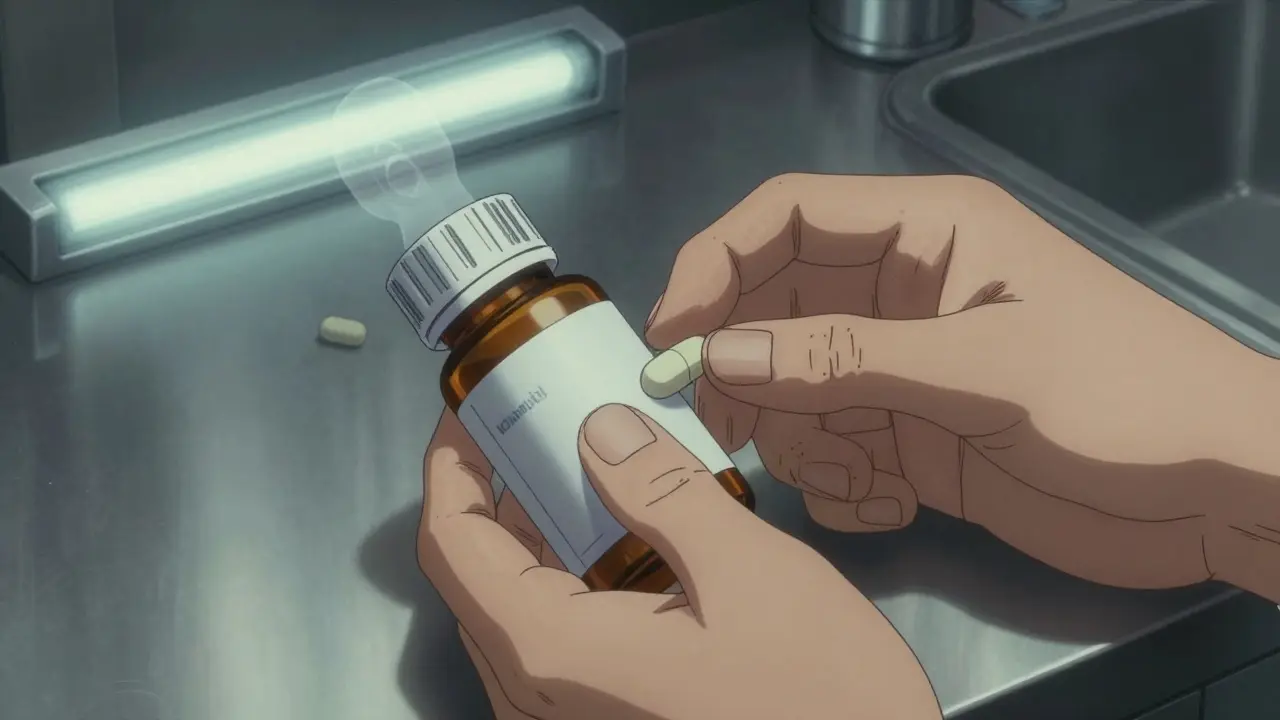
Every year, millions of people around the world take pills they think are real - but they’re not. These aren’t just weak versions of the real thing. They’re dangerous. Some contain no active ingredient at all. Others have too much, too little, or the wrong drug entirely. And in many cases, you can’t tell just by looking. But here’s the truth: you can spot the difference. Not because you’re a pharmacist. But because you’re the last person to hold that pill before you swallow it.
Why Patient Vigilance Isn’t Just Helpful - It’s Necessary
Regulators, pharmacies, and drug companies try to stop fake medicines. But they can’t catch everything. The World Health Organization estimates that in low-income countries, 10% to 30% of medicines sold are counterfeit. Even in places like the U.S. and Australia, where systems are stronger, fake drugs still slip through - especially when bought online. A 2023 study found that 89% of counterfeit medications reach patients through unverified websites. That’s not a glitch in the system. It’s how the system is being hacked.
Technology helps. Serialization codes, QR codes, blockchain tracking - these are real tools. But they’re useless if you don’t know how to use them. The real shield? Your eyes. Your hands. Your questions.
What Fake Medicines Look Like (And What Real Ones Should)
Counterfeiters aren’t stupid. They copy packaging. They print labels. They even mimic the color and shape of real pills. But they can’t perfectly replicate everything. Here’s what to check every time you get a new prescription or refill:
- Packaging: Is the box sealed? Is the seal broken, loose, or missing? Legitimate medicines have tamper-proof seals. If it looks like someone peeled it off and resealed it with tape, walk away.
- Spelling and fonts: Typos? Weird spacing? A logo that looks slightly off? Fake packaging often has blurry text or mismatched fonts. Real companies don’t cut corners on printing.
- Color and markings: Compare the pills to the last batch you took. Are they a different shade? Do the imprints look smudged or uneven? Even small changes - like a pill that’s slightly larger or has a different number - can mean fake.
- Expiration date: Is it faded? Is it too far in the future? Fake medicines often have expired dates or fake ones printed in ink that doesn’t match the rest of the label.
- Smell and texture: If the pill smells weird - like plastic or chemicals - or crumbles too easily, that’s a red flag. Real pills don’t smell like a factory floor.
One patient in Brazil noticed her diabetes pills looked different. The numbers on them were slightly thicker. She called her pharmacist. Turns out, it was a fake batch. She saved her family from a possible overdose.
Where You’re Most at Risk - And How to Avoid It
The biggest source of fake medicines? Online pharmacies that don’t show the .pharmacy seal. In the U.S., only websites with this verified badge are legally allowed to sell prescription drugs. In Australia, look for the Australian Register of Therapeutic Goods (ARTG) number on the product page. If you can’t find it, don’t buy.
Here’s what the data says:
- 41% of U.S. consumers have bought medicine online without checking if the site was verified.
- 18% of those people later reported side effects linked to fake pills.
- 78% of victims ignored the warning sign: “Too good to be true” pricing.
That’s the trap. A bottle of insulin for $10? A 30-day supply of blood pressure pills for $5? If it sounds like a scam, it is. Legitimate pharmacies don’t sell life-saving drugs at 90% off. Ever.
What to Do When You Suspect a Fake
You don’t need to be an expert. You just need to act.
- Stop taking it. If something feels off, don’t risk it.
- Save the packaging. Don’t throw it away. Keep the box, bottle, and any leaflets.
- Call your pharmacist. They’re trained to spot fakes. Show them the pill. Ask if it matches the batch they’ve been dispensing.
- Report it. In Australia, contact the Therapeutic Goods Administration (TGA). In the U.S., report to the FDA’s MedWatch system. In the EU, use your national health authority’s reporting portal.
These reports aren’t just paperwork. They trigger investigations. Pfizer alone received over 14,000 consumer reports in 2023 - and those reports led to 217 counterfeit batches being taken off the market across 116 countries.
The Tools That Actually Work - And How to Use Them
You don’t need a lab to check your medicine. Here are three free, real tools you can use today:
- WHO’s Medicines Safety App: Download it. It lets you scan QR codes on packaging (where available) and check if the product is registered in your country. Over 850,000 people have used it since 2021.
- MedCheck App: Used in 1.2 million households globally. It lets you upload photos of your pills and compares them to a database of verified products. Works even if the QR code is missing.
- Pharmacy Verification: Ask your pharmacist to scan the serialization code on your prescription. Since 2019, EU and U.S. regulations require this code on every box. If they say they can’t, they’re either lying or unlicensed.
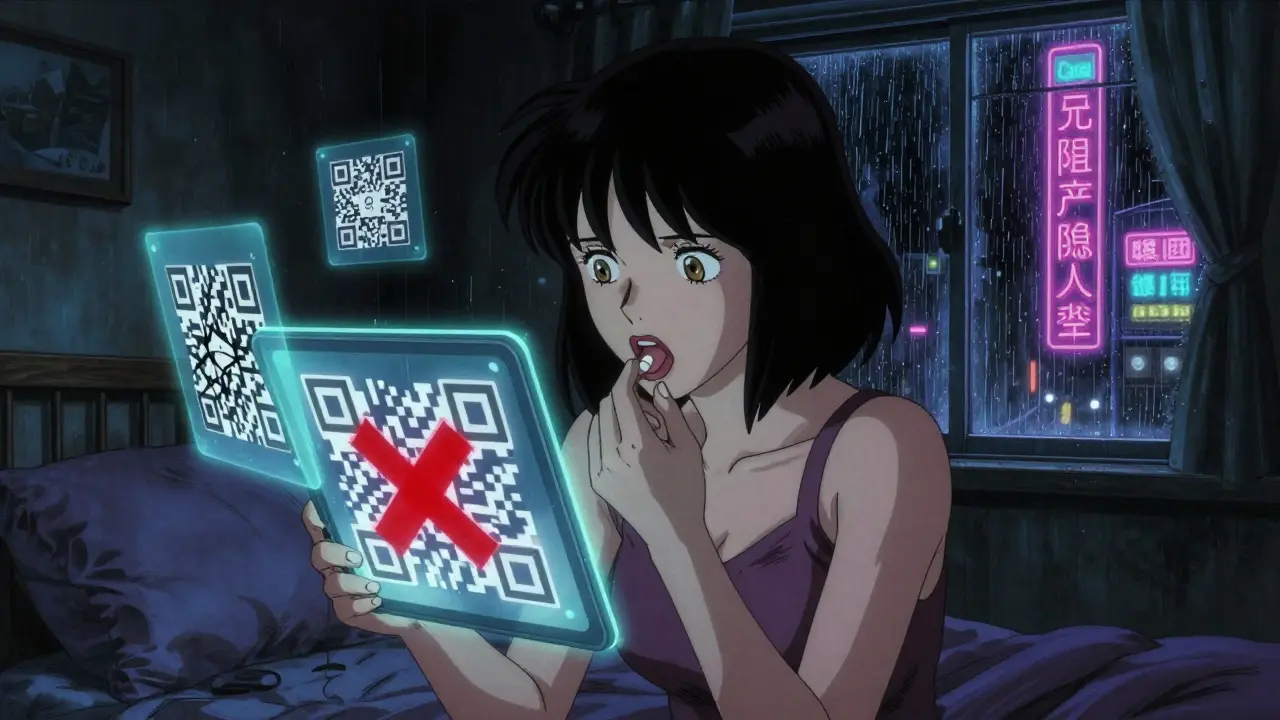
France started using QR codes to replace paper leaflets in February 2024. You scan it once, and you get the full prescribing info - plus a verification check. If the code doesn’t work, the medicine is fake. Simple. Smart. Effective.
Why This Matters - Even If You’re in a Rich Country
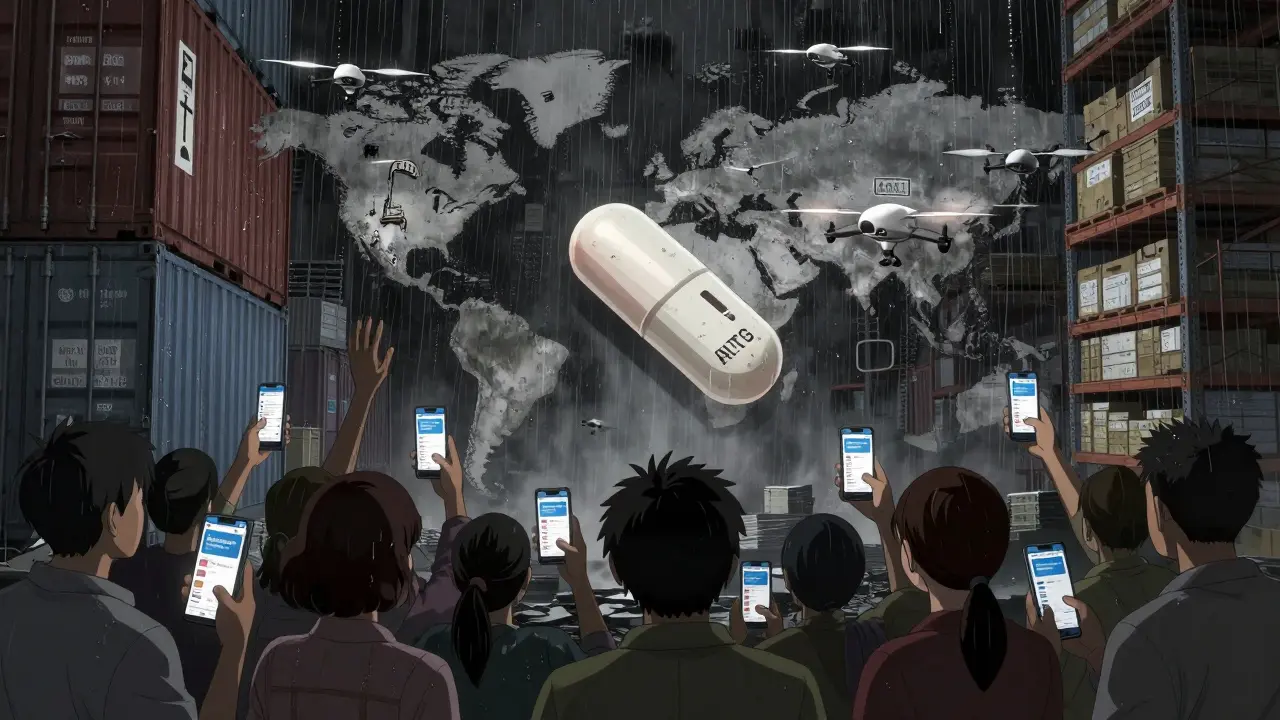
You might think, “I live in Sydney. This doesn’t happen here.” But it does. Fake medicines are no longer just a problem in poor countries. They’re a global supply chain issue. A fake batch made in India can end up in a warehouse in Germany, then shipped to a U.S. pharmacy, then sold online to someone in Australia.
And here’s the kicker: even if you’ve never bought medicine online, you could still get a fake. Pharmacies get their stock from distributors. If a distributor unknowingly takes in counterfeit pills, they can end up on your shelf.
That’s why your vigilance matters. You’re not just protecting yourself. You’re helping to break the chain.
What’s Changing - And What’s Coming
The fight against counterfeits is evolving. Brazil launched a digital verification system in June 2024. Early results show 63% of patients are using it. India’s pilot blockchain project lets you trace a pill from factory to pharmacy. Pfizer says 95% of prescription medicines will have consumer-verification features by 2027.
But here’s the truth: no matter how advanced the tech gets, someone still has to open the box. Someone still has to look at the pill. Someone still has to say, “That doesn’t look right.”
That someone is you.
What to Do Next
Start today. Right now:
- Check the next prescription you get. Look at the packaging. Compare the pills to the last one.
- Visit the TGA website (Australia) or FDA website (U.S.) and learn how to report a fake.
- Download the WHO Medicines Safety app. It takes 90 seconds.
- Tell one person - a friend, a parent, a neighbor - about this. Fake medicines don’t care who you are. But you can stop them.
There’s no app that replaces your eyes. No machine that replaces your instinct. You’re not just a patient. You’re the last line of defense.
How common are counterfeit drugs in Australia?
In Australia, counterfeit drugs are rare - less than 1% of the market. But they’re not gone. Most fake medicines here come from unverified online pharmacies. The Therapeutic Goods Administration (TGA) intercepts hundreds of illegal shipments each year. Still, patients who buy from non-Australian websites are at higher risk. Always check for the ARTG number on the product page.
Can I trust online pharmacies that offer discounts?
No. Legitimate online pharmacies don’t offer 70-90% discounts on prescription drugs. If a site offers insulin for $10 or Viagra for $2 a pill, it’s fake. Real pharmacies have fixed pricing based on government regulations. Look for the .pharmacy seal (in the U.S.) or the ARTG number (in Australia). If it’s not there, don’t buy.
What should I do if I took a fake medicine?
Stop taking it immediately. Call your doctor or pharmacist. Keep the packaging and any remaining pills. Report it to your national health authority - in Australia, that’s the TGA. Even if you feel fine, fake medicines can cause delayed harm. Some contain toxic chemicals that damage your liver or kidneys over time. Don’t wait for symptoms.
Are generic drugs more likely to be fake?
No. Generic drugs are not inherently fake. In fact, they’re often the same quality as brand-name drugs - just cheaper. The problem isn’t generics. It’s unregulated sellers who sell fake versions of generics. Always buy generics from licensed pharmacies. Check the packaging for the same signs of tampering: misspellings, odd colors, broken seals.
Can I use a QR code to verify my medicine?
Yes - if it’s real. Many legitimate medicines now include QR codes that link to official product info or verification pages. But counterfeiters can copy QR codes too. So don’t just scan it - check the website it links to. Does it look professional? Does it match your country’s health authority site? If the link goes to a random domain like “meds4cheap.com,” it’s fake. Always verify the URL before entering any info.
How do I know if my pharmacy is legitimate?
In Australia, all licensed pharmacies must be registered with the TGA. You can check their registration number on the TGA website. For online pharmacies, look for the .pharmacy seal (in the U.S.) or the ARTG number (in Australia). If you’re unsure, call the pharmacy and ask them to show you the product’s batch number. Legitimate pharmacies have no problem with this.
Counterfeit drugs don’t care if you’re rich, healthy, or careful. They only care if you’re unaware. Stay alert. Stay informed. And never stop asking questions - because your life depends on it.
