Author: Vinny Benson - Page 2

Anxiety Disorders: Types, Symptoms, and Evidence-Based Treatments
Anxiety disorders are common, treatable mental health conditions with distinct types like GAD, panic disorder, and social anxiety. Evidence-based treatments include CBT and SSRIs, with new options like zuranolone and digital therapeutics emerging. Early intervention leads to better outcomes.

Antibiotic Overuse: How Misuse Fuels Resistance and C. difficile Infections
Antibiotic overuse is driving a global crisis of drug-resistant infections and deadly C. difficile outbreaks. Learn how misuse fuels superbugs and what you can do to help stop the spread.

Hearing Aids: Types, Fitting, and Amplification Technology Explained
Learn about the different types of hearing aids, how they're fitted, and the latest amplification technology-from OTC models to AI-powered prescription devices. Understand what works best for your hearing needs.

Peanut Allergy: How Early Introduction and OIT Are Changing Prevention
Peanut allergy prevention has been transformed by science. Early introduction of peanut protein between 4-6 months can reduce allergy risk by up to 98%. Learn the updated guidelines, how OIT works, and what parents need to do now.
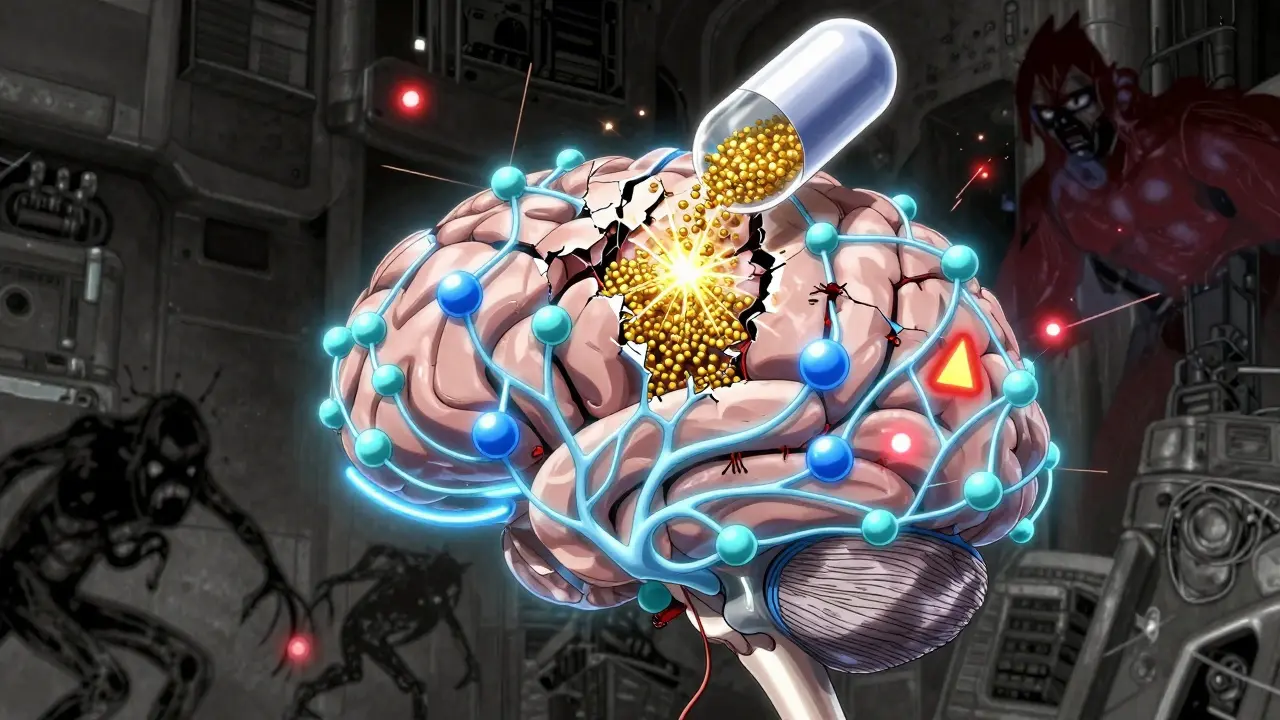
L-Tryptophan and Antidepressants: What You Need to Know About Serotonin Risks and Interactions
L-Tryptophan boosts serotonin-but combining it with antidepressants like SSRIs can trigger dangerous serotonin syndrome. Learn the real risks, what research says, and safer alternatives for mood support.

Predicting Generic Entry: How to Forecast When Your Drug Will Face Generic Competition
Learn how to predict when generic drugs will enter the market after patent expiry. Understand the legal, regulatory, and economic factors that delay or speed up generic competition-and how it affects drug prices and patient access.
Common Myths About Medication Side Effects Debunked
Many people stop taking medications due to myths about side effects-leading to serious health risks. This article debunks common misconceptions about antibiotics, statins, OTC painkillers, and more, with evidence-based facts to help you stay safe and adhere to your treatment.
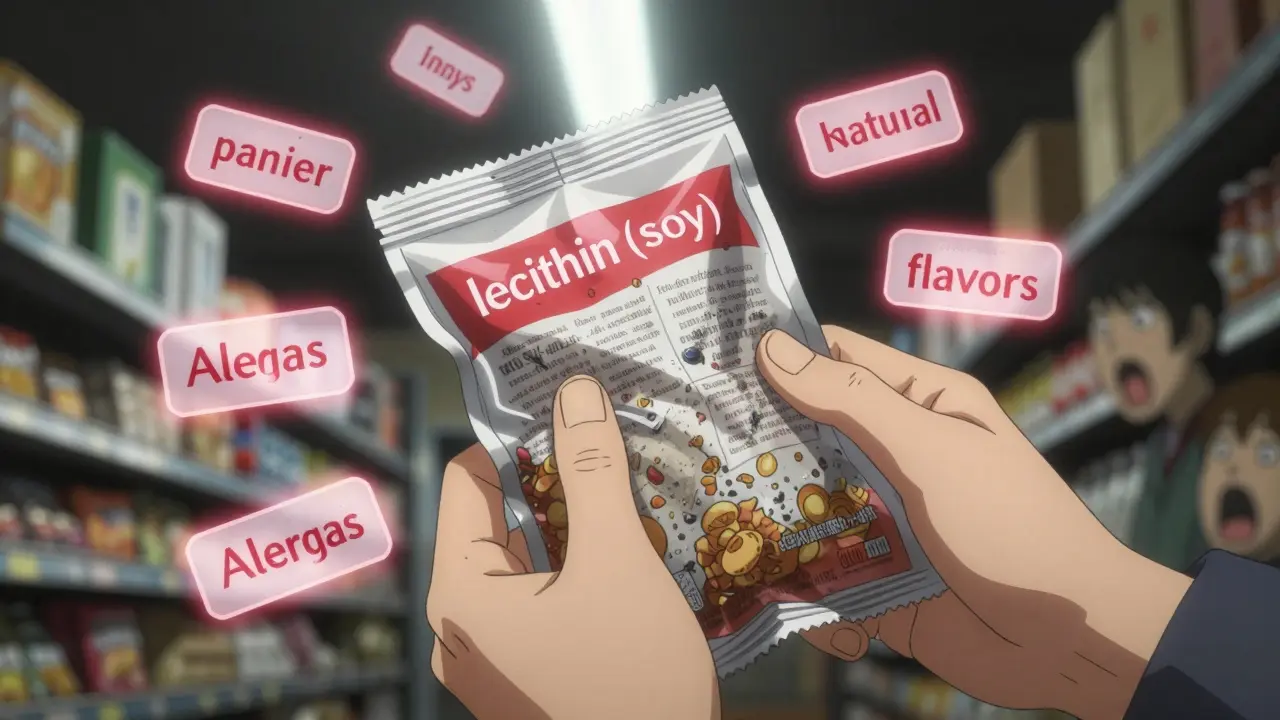
How to Check for Allergens and Inactive Ingredients on Prescription and Food Labels
Learn how to spot hidden allergens and inactive ingredients on food and prescription labels. Know what to look for, who to ask, and how to avoid dangerous reactions.

Federal Circuit Court: Authority on Pharmaceutical Patent Cases
The Federal Circuit Court has exclusive authority over pharmaceutical patent cases in the U.S., shaping drug access, pricing, and innovation through rulings on ANDA litigation, dosing patents, and jurisdiction. Its decisions directly impact generic drug entry and billions in healthcare spending.

First-Mover Advantage: How First Generic Drug Manufacturers Dominate the Market
The first generic drug manufacturer to launch after a patent expires gains a powerful, long-lasting market advantage - often holding 30-40% of sales years later. Here’s how the Hatch-Waxman Act, pharmacy habits, and Authorized Generics shape this high-stakes race.