
Switching from a brand-name pill to a generic version can save you hundreds of dollars a year. But if you’ve ever felt off after the switch-more nausea, weird dreams, or just a general sense that something’s not right-you’re not imagining it. And it’s not because the generic doesn’t work. It’s because of what’s not in the pill: the inactive ingredients.
What are inactive ingredients, anyway?
When you take a pill, the active ingredient is what actually treats your condition-like atorvastatin for cholesterol or levothyroxine for thyroid issues. But that’s only part of the story. The rest? That’s the filler, the binder, the coating, the dye, the preservative. These are called inactive ingredients, or excipients. They don’t cure anything. But they do a lot of important jobs.
They help the pill hold its shape. They make it easier to swallow. They control how fast the medicine releases in your gut. They keep it from going bad on the shelf. Without them, most pills would crumble, dissolve too fast, or taste like chalk. Common ones include lactose (a milk sugar), microcrystalline cellulose (ground wood pulp), corn starch, povidone, and titanium dioxide (the white dye). Even aspartame shows up in some chewable tablets.
The FDA says all these ingredients are safe. But safe for most people doesn’t mean safe for everyone. If you’re lactose intolerant, a pill with 50 milligrams of lactose might give you bloating. If you’re sensitive to dyes, a blue pill might trigger headaches. These aren’t side effects of the medicine-they’re reactions to the packaging.
Why do generics look different?
Brand-name drugs have trademarks. That means their pills have a specific color, shape, and logo. Generic manufacturers can’t copy that. So they make their version look different. That’s why your generic lisinopril is a small white oval instead of the big blue capsule you used to get.
But here’s the catch: changing the look often means changing the ingredients. The generic maker uses whatever fillers and coatings work for their production line. Maybe they use lactose because it’s cheap. Maybe they use a different dye because the brand’s dye is patented. These choices don’t affect how well the medicine works-but they can affect how your body reacts to it.
How different are generics really?
The FDA requires generics to be bioequivalent. That means the amount of active ingredient your body absorbs has to be within 80% to 125% of the brand-name version. In practice, most generics are within 4%-way tighter than the legal limit.
So why do some people notice a difference? Because bioequivalence doesn’t measure how you feel. It measures blood levels. If your body struggles to break down a new coating, or if a new filler irritates your stomach, your symptoms might change-even if the medicine is doing its job.
Studies show this happens in about 1% to 2% of cases. In a 2021 analysis of 2,000 switches, 94.7% of people had no noticeable change. About 4% had minor issues like mild nausea or dizziness. Only 1% had problems serious enough to switch back.
But that 1%? They’re not wrong. For people on narrow-therapeutic-index drugs-like warfarin, digoxin, or levothyroxine-even tiny changes in how the medicine is absorbed can shift blood levels enough to cause problems. That’s why doctors often recommend sticking with the same brand or generic for these medications.

Who’s most at risk?
You’re more likely to notice a difference if:
- You have a known allergy or intolerance (lactose, gluten, sulfites, or food dyes)
- You’re on a medication with a narrow therapeutic window (thyroid, heart, seizure, or blood thinner meds)
- You’ve had side effects from generics before
- You’re sensitive to changes in your body (like with anxiety or depression meds)
Lactose is the biggest culprit. About 40% of oral medications contain it. Around 36% of Americans have some level of lactose intolerance. You might not know you’re affected until you switch to a generic that suddenly gives you gas, cramps, or diarrhea.
Sulfites show up in some injectables and liquid meds. About 5% of people with asthma react to them. Aspartame is in chewable tablets and can be dangerous for people with phenylketonuria (PKU). Even soya lecithin-used as an emulsifier-can trigger reactions in people with soy allergies.
What should you do if you feel different?
If you notice new side effects after switching to a generic, don’t just tough it out. Track it.
Keep a simple log for two to four weeks: note the date, the medication, the dose, and any symptoms-headache, fatigue, stomach upset, mood changes. Be specific. “Feeling weird” isn’t helpful. “Nausea every morning, worse after 2 hours” is.
Then take that log to your pharmacist or doctor. Pharmacists can check the inactive ingredient list on the bottle. They know what’s in each version. Many pharmacies now list excipients on their websites or printouts.
If the problem is clear-say, your new generic has lactose and you’re intolerant-you can ask for a different generic brand that doesn’t use it. Or ask your doctor to prescribe the brand-name version with a medical exception. Some insurers will cover it if you can prove the generic causes issues.
And if you’re on a critical medication like levothyroxine? Don’t switch back and forth. Stick with one version. If you must switch, get your blood levels checked four to six weeks later.
What’s changing in the industry?
The FDA is paying more attention to inactive ingredients. In 2023, they released new draft guidance for generics of high-risk drugs like levothyroxine and warfarin. They’re pushing manufacturers to test for consistency in how these pills break down in the body.
They’re also building a public database of all approved inactive ingredients and their maximum safe amounts. By 2025, you should be able to look up any generic and see exactly what’s in it-no guesswork.
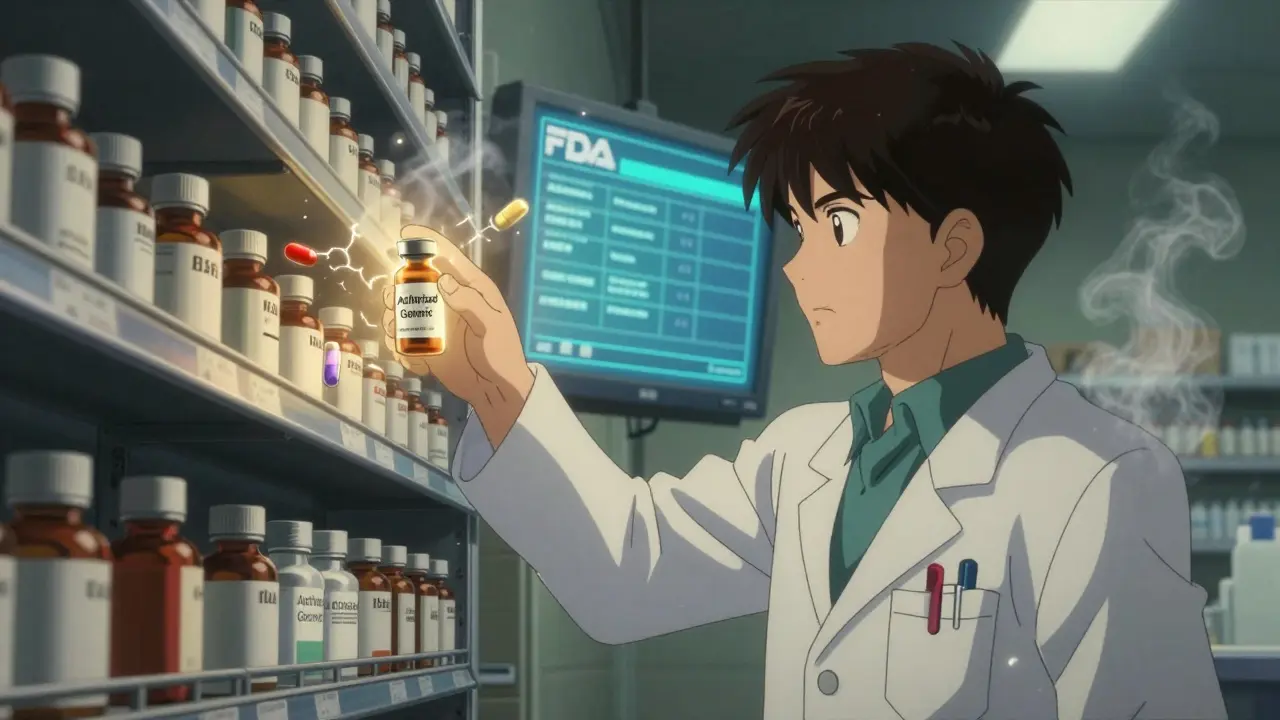
Some companies are already ahead of the curve. “Authorized generics” are made by the original brand company but sold under a generic label. They have the exact same ingredients as the brand-same fillers, same dye, same coating. You get the brand quality at generic prices. They make up about 15% of the generic market now.
And more manufacturers are starting to offer “clean label” versions-no artificial dyes, no lactose, no aspartame. These aren’t common yet, but they’re growing fast.
Bottom line: Generics are safe. But your body might not like the packaging.
For 9 out of 10 people, switching to a generic is a smart, safe, money-saving move. The medicine works the same. The side effects are the same. The cost? A fraction.
But if you’re one of the few who feels different, it’s not in your head. It’s in the filler. And you have the right to ask for a better fit.
Don’t assume all generics are the same. Don’t assume your body will react the same way every time. And don’t suffer in silence. Talk to your pharmacist. Check the label. Keep a log. Your health isn’t just about the active ingredient-it’s about the whole pill.
Are generic medications as effective as brand-name drugs?
Yes, for most people. The FDA requires generics to deliver the same amount of active ingredient into your bloodstream as the brand-name version, within a very tight range. Studies show 94% to 95% of patients experience no difference in effectiveness or side effects. The medicine works the same way. The difference isn’t in the healing-it’s in the packaging.
Can inactive ingredients cause side effects?
Absolutely. While they don’t treat your condition, inactive ingredients can irritate your stomach, trigger allergies, or cause reactions in sensitive people. Common offenders include lactose (in 40% of pills), artificial dyes, sulfites, and aspartame. Symptoms might include bloating, headaches, rashes, or nausea-not because the medicine isn’t working, but because your body is reacting to something else in the pill.
How do I find out what’s in my generic medication?
Check the drug facts label on the bottle or the printed sheet inside the box. You can also ask your pharmacist for the inactive ingredient list. Many pharmacy websites now list this info online. If you’re unsure, call the manufacturer directly-their customer service line can give you a full ingredient breakdown.
Should I avoid generics if I have allergies?
Not necessarily. But you need to be careful. If you’re allergic to lactose, gluten, soy, or certain dyes, always check the inactive ingredients before accepting a new generic. Some generics are made without these allergens. Your pharmacist can help you find one that matches your needs. For severe allergies, ask your doctor to write a prescription that specifies "no lactose" or "dye-free."
Why do some people need to stay on brand-name medication?
People on medications with a narrow therapeutic index-like levothyroxine, warfarin, digoxin, or some seizure drugs-need very precise dosing. Even small changes in how the pill is absorbed can push levels into unsafe ranges. For these patients, switching between generics-or even between different batches of the same generic-can cause problems. Doctors often recommend sticking with one version, brand or generic, to avoid fluctuations.
What’s an authorized generic?
An authorized generic is made by the original brand-name company but sold under a generic label. It has the exact same active and inactive ingredients as the brand-name version-same shape, same color, same fillers. The only difference is the price: it’s cheaper. These are a great option if you’ve had bad reactions to other generics and want the same formula without the brand-name cost.
What to do next
If you’re thinking about switching to a generic, or you’ve already switched and aren’t feeling right, here’s your action plan:
- Check the label. Look up the inactive ingredients on the bottle or your pharmacy’s website.
- Compare them to your old brand. If there’s a new filler, dye, or preservative, note it.
- Track your symptoms for 2-4 weeks. Write down what you feel, when, and how bad.
- Talk to your pharmacist. Ask if there’s a different generic version without the ingredient that’s bothering you.
- If you’re on a high-risk medication, ask your doctor to check your blood levels after switching.
- Consider asking for an authorized generic if you want the exact same formula at a lower price.
Generic medications saved the U.S. healthcare system over $2 trillion in the last decade. They’re not the enemy. But your body knows the difference between a pill made for mass production and one made for you. Listen to it. And don’t be afraid to ask for better.

Nilesh Khedekar
So let me get this right-you’re telling me my 50-cent generic thyroid pill has lactose in it, and that’s why I’ve been feeling like a bloated cow since last Tuesday? And the FDA says it’s ‘safe’? Safe for who? The corporate shareholders? I’ve been switching generics for years-now I know why my gut screams like a banshee at 3 AM. I’m switching back to brand. Screw the savings.
Jami Reynolds
Have you considered that this isn’t about lactose or dyes at all? The real issue is that pharmaceutical conglomerates have been deliberately altering excipients to create dependency on brand-name drugs-while secretly patenting the ‘new’ inactive ingredients under ‘formulation innovations.’ The FDA’s database? A façade. They’re complicit. The ‘authorized generics’? A marketing trick. You’re being manipulated into thinking you have a choice. Wake up.
Nat Young
Let’s be real-94% of people don’t notice a difference because they’re not paying attention. The rest? They’re either hypochondriacs or they’ve got a gut microbiome that’s seen better days. Bioequivalence is a statistical mirage. Your body doesn’t care about 80-125% ranges-it cares about whether the coating dissolves before or after your stomach acid hits. And guess what? No one’s testing that in vivo across diverse populations. So yeah, maybe your ‘weird dreams’ are from the corn starch. Or maybe you’re just stressed. Either way, stop blaming the pill.
Niki Van den Bossche
Oh darling, it’s not just the filler-it’s the *ontology* of the pill. The very *essence* of pharmaceutical identity has been commodified into a bland, beige, lactose-laced existential void. We’ve turned healing into a logistical spreadsheet. The dye isn’t just titanium dioxide-it’s the color of our alienation from the sacred act of self-care. That white oval? It’s not medicine. It’s a monument to late-stage capitalism’s inability to honor the human body as anything more than a delivery system for profit margins. I weep for the soul of the pill.
Nicholas Urmaza
If you're feeling off after switching generics the first thing you do is check the label then talk to your pharmacist not go full conspiracy mode. This is basic health literacy. You don't need a PhD to read a drug facts panel. Your body is telling you something listen to it but don't turn it into a drama. Take action not anxiety
Sarah Mailloux
YES. This. I’m a nurse and I’ve seen so many patients panic because they switched to a generic and got a headache. Turns out it had FD&C Blue No. 1. They’re allergic. No one told them. Pharmacists can help. Just ask. Don’t suffer. Your body isn’t weird-it’s just been ignored. Keep a log. Text your pharmacist. They love this stuff. Seriously.
Jan Hess
My grandma takes levothyroxine and we switched her to a generic and her TSH went from 2.1 to 6.8. We switched back and boom-back to normal. I didn’t believe this stuff until it happened to someone I love. Now I check every bottle. Even if it’s the same brand, different batches can have different fillers. Always ask. Always track. Your health isn’t a gamble.
Iona Jane
They’re putting aspartame in antidepressants. I know because my cousin died. They said it was ‘accidental.’ But the label didn’t say. And now all the generics have it. And the FDA won’t tell you. And your doctor doesn’t know. This isn’t about lactose-it’s about control. You think you’re saving money? You’re being poisoned. And they’re laughing.
Jaspreet Kaur Chana
Bro in India we’ve been using generics for decades and no one complains because we don’t have the luxury of being picky. But honestly? I get it. My aunt had a bad reaction to a generic painkiller-turns out it had gelatin from pork and she’s Muslim. No one told her. So now she only buys ones that say ‘vegetarian capsule’ on the box. Point is-knowledge is power. Don’t just swallow the pill. Read the fine print. Talk to your local pharmacist. They’re the real heroes here. And yeah sometimes the brand is worth it if your body screams. Your health isn’t a budget line item. It’s your life. And you deserve to feel good. Not just ‘not dead.’