Category: Health and Wellness - Page 2

How to Overcome Swallowing Difficulties to Keep Taking Medicine
Many people struggle to swallow pills due to dysphagia, leading to missed doses and health risks. Learn safe, practical ways to take medicine without choking or skipping doses - from swallowing techniques to alternative formulations.

How to Evaluate Online Pregnancy Medication Advice for Accuracy
Learn how to spot accurate vs. misleading online advice about medications during pregnancy. With 57% of online claims being wrong, knowing how to verify sources can protect your health and your baby's.

Parasitic Infections: Giardia, Pinworms, and How to Treat Them
Giardia and pinworms are two of the most common parasitic infections worldwide. Learn how they spread, what symptoms to watch for, and the most effective treatments-plus how to stop reinfection.
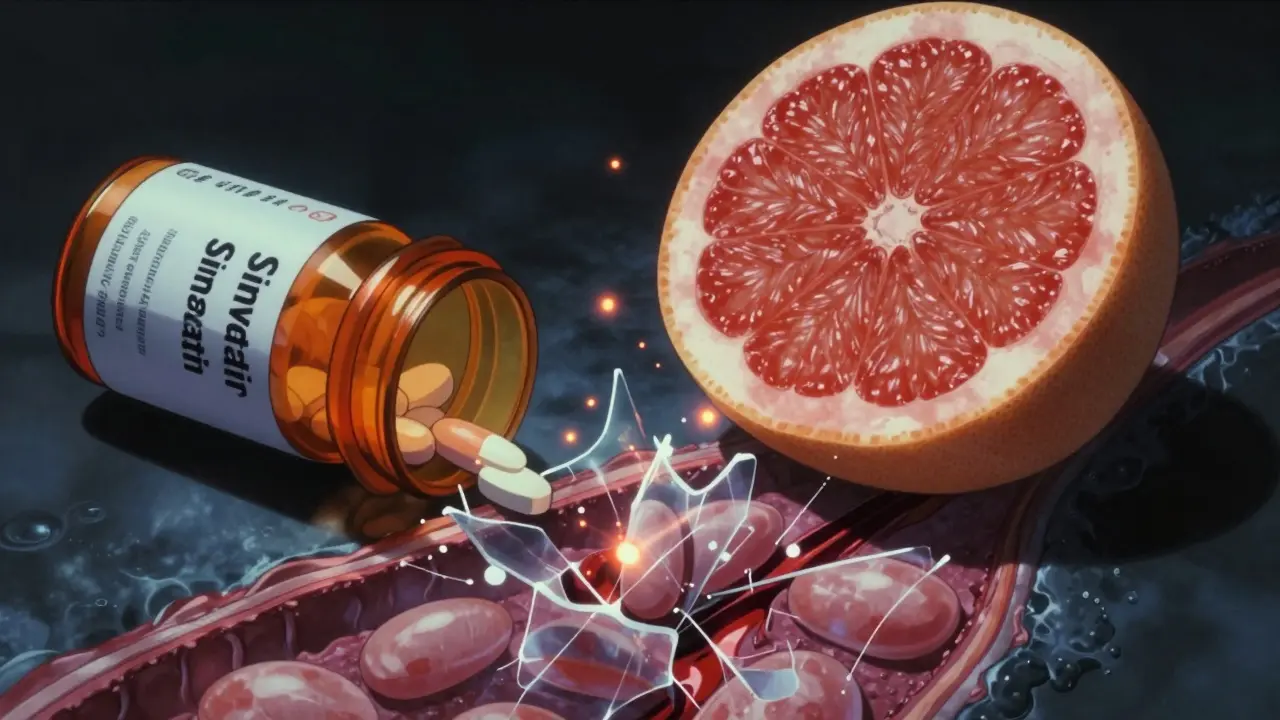
Grapefruit Juice and Medications: What You Need to Know Before You Drink
Grapefruit juice can dangerously increase levels of many common medications, leading to serious side effects. Learn which drugs are affected, why it happens, and what to do to stay safe.
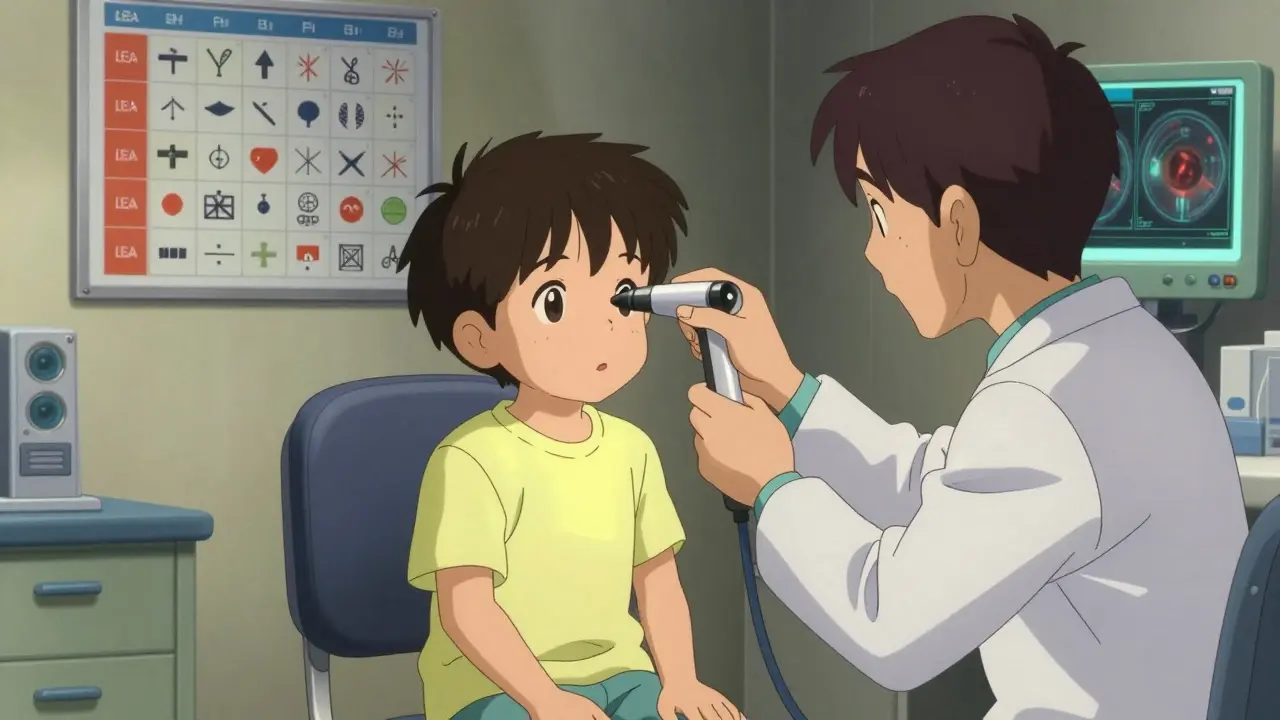
Pediatric Vision Screening: Early Detection and Referral
Pediatric vision screening catches sight problems early, preventing lifelong vision loss. Detecting amblyopia and strabismus before age 5 can restore normal vision in over 80% of cases - making this simple test one of the most effective interventions in child health.

Systemic Lupus Erythematosus: Symptoms, Flares, and Management
Systemic lupus erythematosus (SLE) is a chronic autoimmune disease that affects skin, joints, kidneys, and organs. Learn key symptoms, common triggers like sun exposure and stress, and how modern treatments like hydroxychloroquine and anifrolumab help manage flares and improve long-term outcomes.

Spicy Foods and GI-Irritating Medications: How to Reduce Heartburn Risk
Spicy foods and common medications can worsen heartburn by relaxing the lower esophageal sphincter. Learn how to reduce risk through timing, diet, and smarter medication use-backed by clinical data and real patient outcomes.
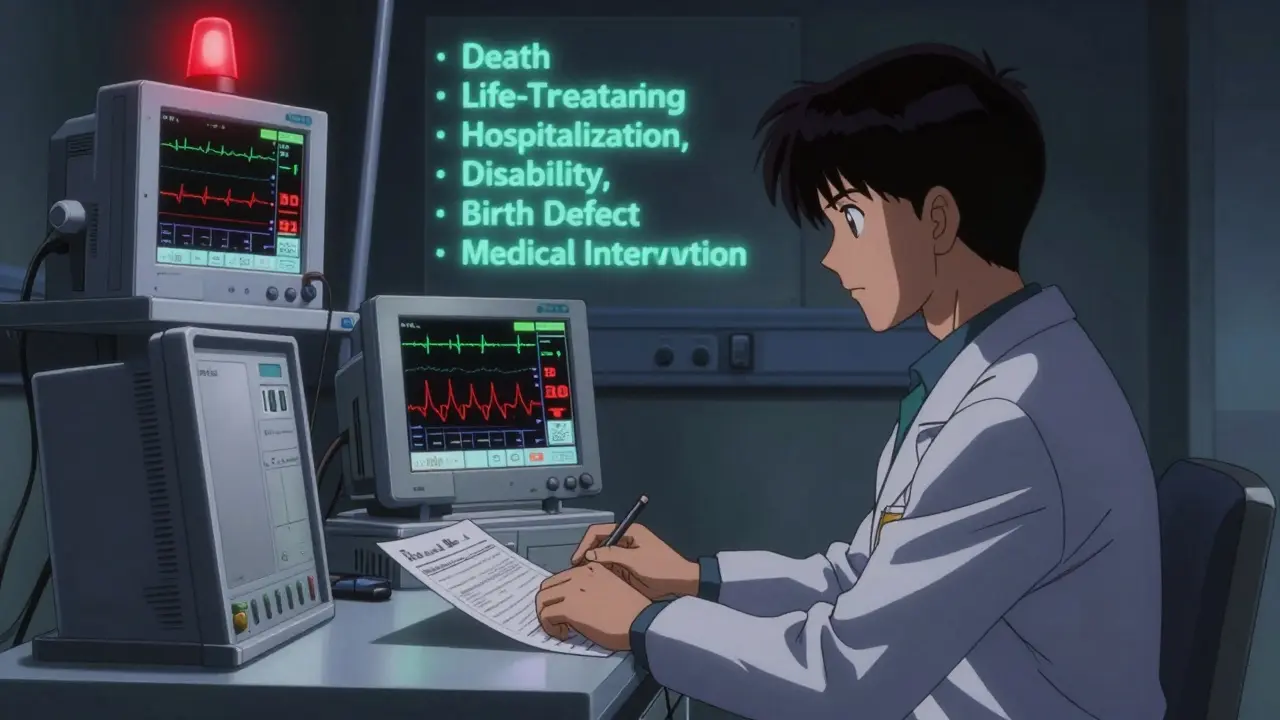
Serious vs Non-Serious Adverse Events: When to Report in Clinical Trials
Learn the critical difference between serious and non-serious adverse events in clinical trials, when to report each, and how misclassifying them can delay life-saving safety alerts. Based on FDA, ICH, and NIH guidelines.

Anxiety Disorders: Types, Symptoms, and Evidence-Based Treatments
Anxiety disorders are common, treatable mental health conditions with distinct types like GAD, panic disorder, and social anxiety. Evidence-based treatments include CBT and SSRIs, with new options like zuranolone and digital therapeutics emerging. Early intervention leads to better outcomes.
Licorice Root and Blood Pressure Medications: Why It Makes Them Less Effective
Licorice root can make blood pressure medications much less effective by raising blood pressure and lowering potassium. Even small amounts in teas, candies, or supplements can cause dangerous spikes. Learn what to avoid and what's safe.