Author: Harveer Singh - Page 4

Azithromycin and Liver Disease: Understanding Hepatotoxicity Risks
Explore the risks of azithromycin-induced liver injury, its delayed symptoms, and how to recognize the red flags of hepatotoxicity after taking a Z-Pak.

Menopause Weight Gain: Hormones, Muscle, and Strategy
Understand why menopause causes belly fat and how to fight it with hormone insights and strength strategies.

Supply chain problems: distribution risks for generic drugs
Explore the critical distribution risks facing generic drugs, including shortage causes, economic vulnerabilities, and the impact of global manufacturing concentration on patient safety.

How to Overcome Swallowing Difficulties to Keep Taking Medicine
Many people struggle to swallow pills due to dysphagia, leading to missed doses and health risks. Learn safe, practical ways to take medicine without choking or skipping doses - from swallowing techniques to alternative formulations.

How to Evaluate Online Pregnancy Medication Advice for Accuracy
Learn how to spot accurate vs. misleading online advice about medications during pregnancy. With 57% of online claims being wrong, knowing how to verify sources can protect your health and your baby's.
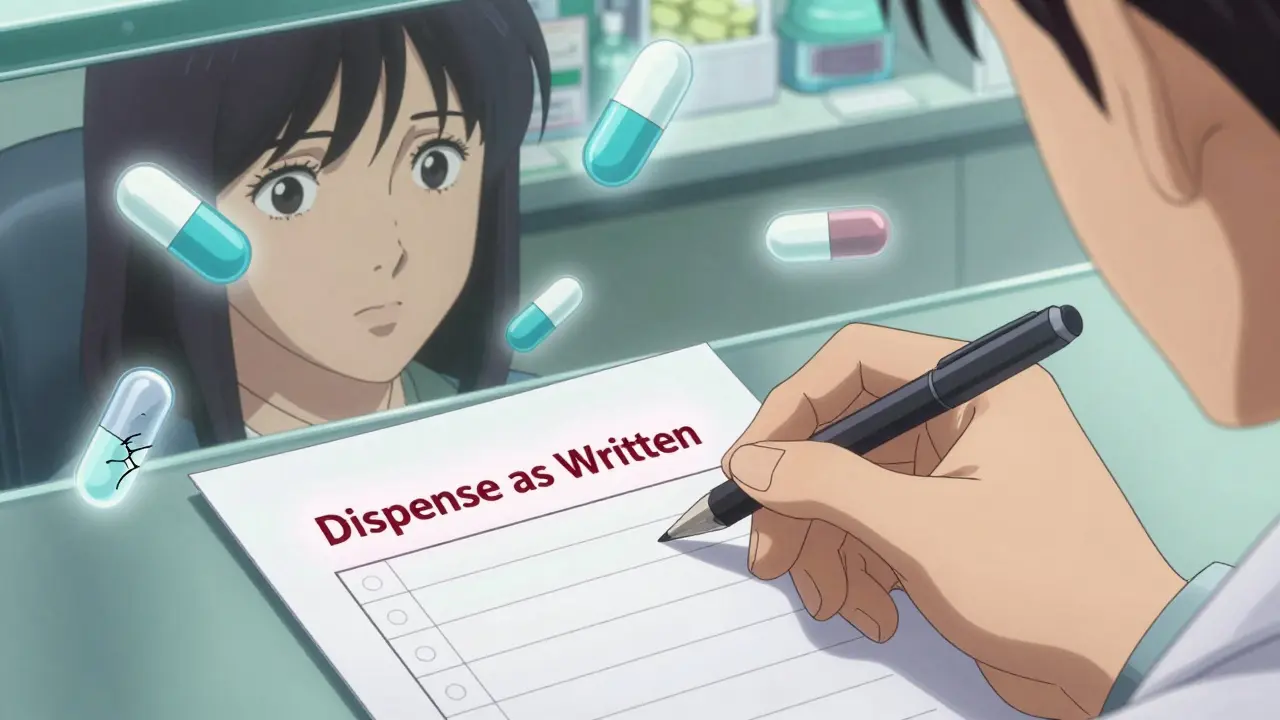
When Your Doctor Might Prescribe Brand-Name Only and Why
Doctors prescribe brand-name drugs only when safety demands it - not for profit. Learn which medications require brand-name versions and why switching to generics can sometimes backfire.

Bridging Therapy: How to Safely Switch Between Blood Thinners
Bridging therapy between blood thinners is rarely needed today. Learn who still needs it, why DOACs changed everything, and how to safely manage transitions without unnecessary injections or bleeding risks.
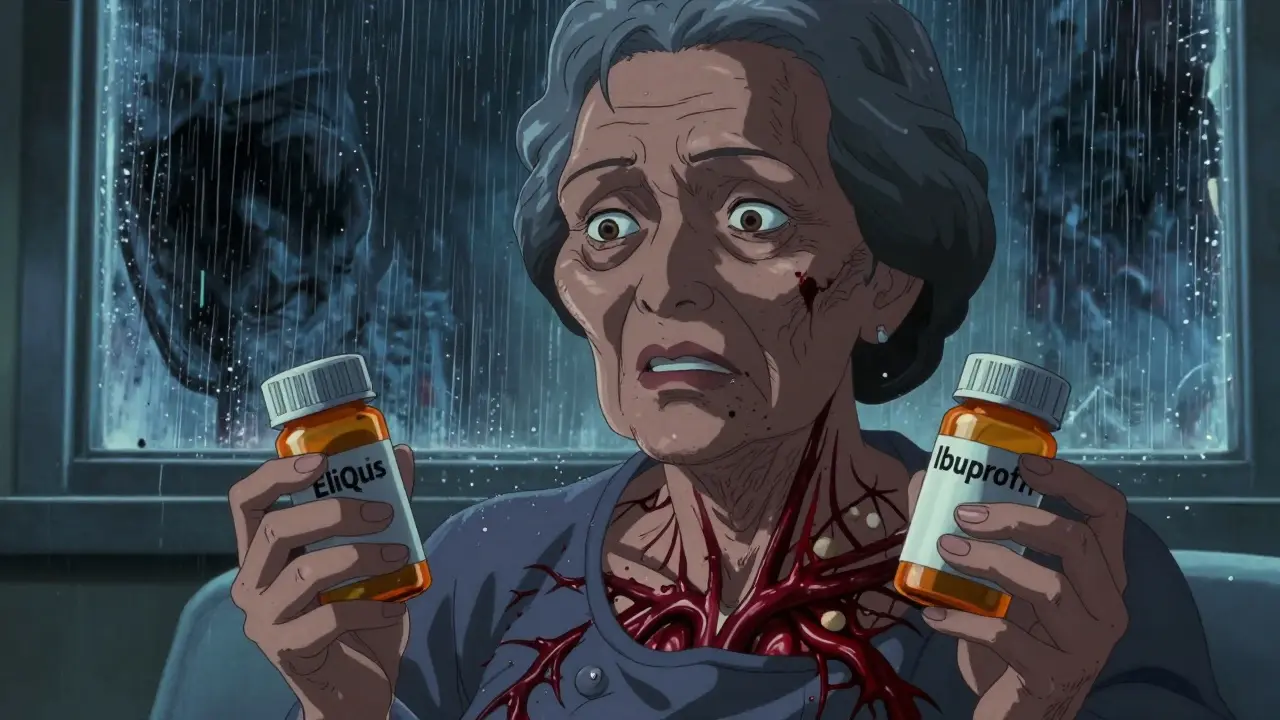
Blood Thinners and NSAIDs: Why This Combo Can Be Life-Threatening
Combining blood thinners and NSAIDs like ibuprofen or naproxen can double or triple your risk of dangerous internal bleeding. Learn why this common combo is so risky and what safer pain relief options actually work.
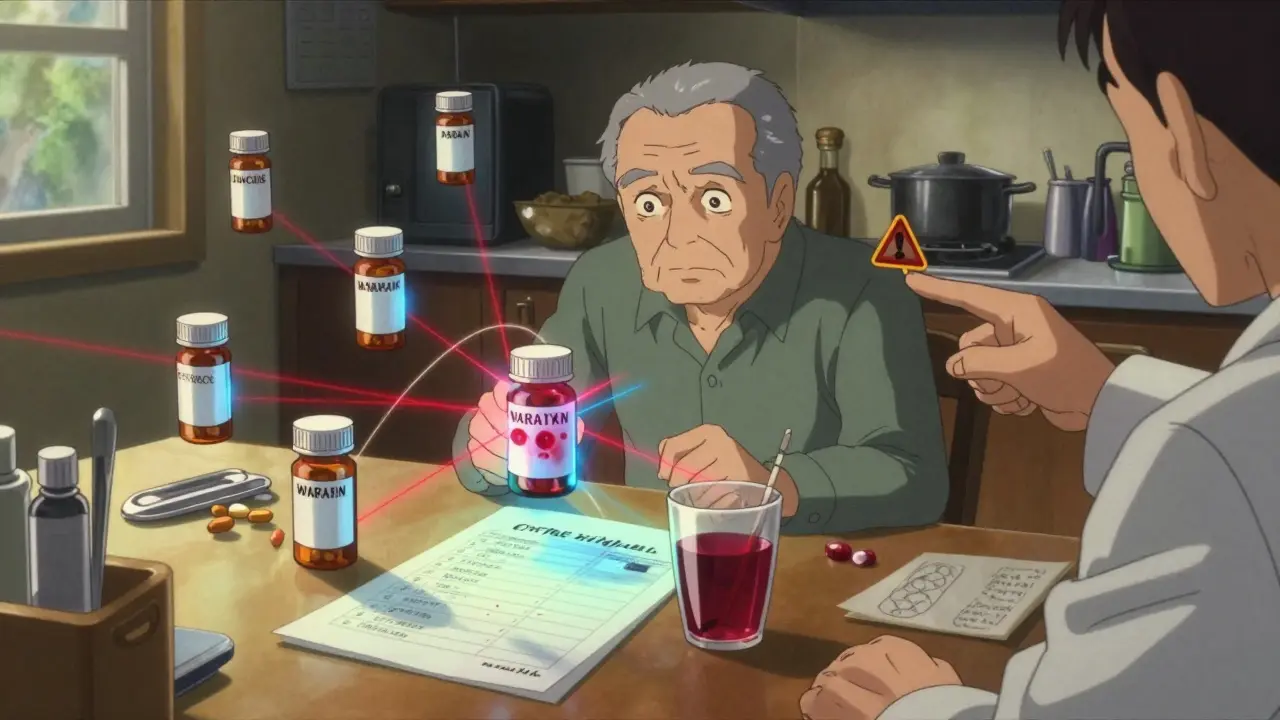
Polypharmacy Risk Checklist: Identify High-Risk Medication Combinations Before It's Too Late
Polypharmacy puts older adults at serious risk of dangerous drug interactions. Learn the top dangerous combinations, how to spot them, and what to do next to protect your health.
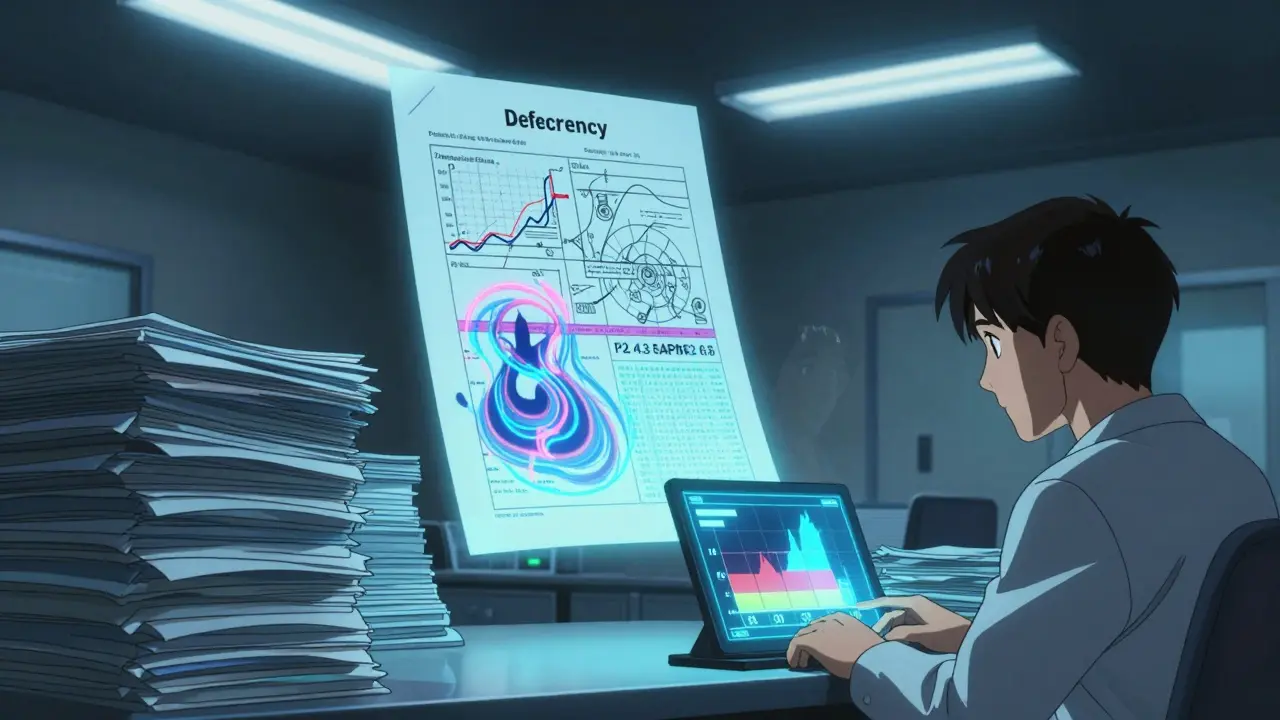
Deficiency Letters in Generic Applications: Common FDA Findings and How to Avoid Them
FDA deficiency letters are a major hurdle for generic drugmakers. Learn the top 5 reasons applications get flagged - from dissolution issues to impurity controls - and how to avoid costly delays.