Most people assume that when a doctor writes a prescription, the pharmacy can swap in a cheaper generic version without any issues. But that’s not always the case. Sometimes, your doctor will write brand-name only - meaning the pharmacy can’t substitute it with a generic. Why? It’s not about brand loyalty or profit. It’s about safety, precision, and real-world patient outcomes.
Why Brand-Name Only? It’s Not Just About Cost
Generic drugs are not inferior. In fact, the FDA requires them to be bioequivalent to the brand-name version. That means they must deliver the same active ingredient, in the same amount, at the same rate. For most medications - like statins, blood pressure pills, or antibiotics - generics work just as well. But there are exceptions. And those exceptions matter.When a doctor writes "dispense as written" or "brand medically necessary," they’re not being stubborn. They’re responding to clinical evidence. For drugs with a narrow therapeutic index (NTI), even tiny differences in how the body absorbs the drug can lead to serious consequences. Think of it like a tightrope walk. A small slip can mean the difference between control and crisis.
Drugs Where Brand-Name Matters Most
Not all medications are created equal. Some have zero room for error. These are the drugs where brand-name prescribing is often necessary:- Levothyroxine (Synthroid): Used for thyroid disorders. Even a 5% change in absorption can cause symptoms like fatigue, weight gain, or heart palpitations. The American Thyroid Association recommends sticking with one brand - preferably the original - because generic versions vary in inactive ingredients and dissolution rates.
- Warfarin (Coumadin): An anticoagulant. A slight spike in blood levels can cause dangerous bleeding; a dip can lead to clots. Studies show patients switched to generic warfarin have higher rates of abnormal INR levels.
- Levetiracetam (Keppra): An anti-seizure drug. A 2019 study of 1,200 epilepsy patients found that 12.7% had breakthrough seizures after switching to generic, compared to just 4.3% who stayed on brand.
- Immunosuppressants like cyclosporine and tacrolimus: Used after organ transplants. A small drop in blood levels can trigger organ rejection.
These aren’t rare cases. The FDA and professional societies have identified 13 drug classes where NTI is a real concern. For these, the 80-125% bioequivalence window isn’t enough. The body doesn’t treat all generics the same - especially when the margin for error is razor-thin.
The Hidden Cost of Generic Substitution
You might think generics are always cheaper. And for most people, they are. But sometimes, switching to a generic backfires - and costs more in the long run.A 2022 GoodRx survey found that 68% of patients who switched from Synthroid to a generic reported worsening symptoms. Many ended up back at the doctor’s office, needing more tests, more visits, and sometimes even hospitalization. That’s not savings - that’s added burden.
And it’s not just about symptoms. Inactive ingredients matter too. Generic manufacturers use different fillers, dyes, and binders. For some patients, those extras cause real problems. One Reddit user wrote: "I switched from brand-name ciprofloxacin to generic. Got stomach cramps, nausea, and diarrhea for weeks. Switched back - symptoms vanished." This isn’t rare. A 2022 Drugs.com review found that 37% of negative feedback about generics cited GI issues tied to inactive ingredients.
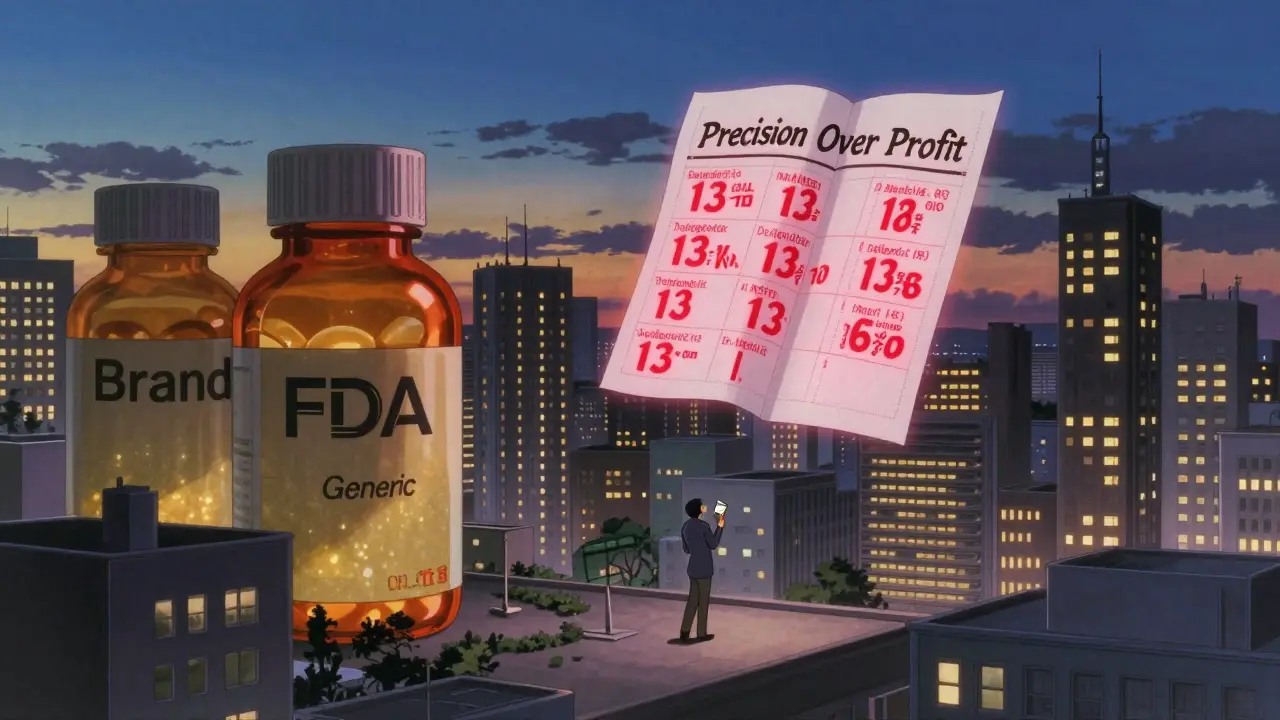
Insurance can make it worse. If your doctor prescribes a brand-name drug without proper documentation, your insurer may deny coverage. You’ll pay full price - sometimes $470 for a 30-day supply - instead of $13 for the generic. A 2021 Kaiser Family Foundation study found that 42% of patients paid significantly more out-of-pocket because their doctor prescribed brand-name without a valid clinical reason.
When Is Brand-Name Prescribing Unnecessary?
Here’s the hard truth: most brand-name prescriptions aren’t medically needed.A 2020 analysis in Health Affairs found that only 3% of brand-name prescriptions had solid clinical justification. The rest? Patient preference. Doctor habit. Marketing influence.
Doctors often say "Lipitor" instead of "atorvastatin." Why? Because that’s what they learned in med school. Because drug reps handed them samples. Because it’s easier than remembering that 12 generics now exist for the same molecule. A 2018 study of internal medicine residents showed that when doctors used brand names in notes, they were 20% more likely to prescribe the brand - even when the generic was perfectly safe.
For drugs like lisinopril, metformin, or simvastatin, there’s no meaningful difference between brand and generic. Multiple studies, including a 2020 JAMA meta-analysis of over 112,000 patients, confirmed identical outcomes. Yet, many doctors still default to brand - not because of science, but because of familiarity.
How Doctors Decide: Rules, Tools, and Traps
Doctors aren’t making these decisions in a vacuum. They’re guided by:- State laws: In 49 U.S. states and D.C., pharmacists can substitute generics unless the doctor says "do not substitute." Texas is the exception - it requires extra documentation for certain drugs.
- Insurance rules: If you need a brand-name drug, your doctor may have to submit prior authorization. That can take 72 hours. Approval rates vary: 89% for epilepsy drugs, but only 45% for acid reflux meds.
- Electronic health records: Some systems flag when a generic is available. But a 2022 study found these alerts only reduced inappropriate prescribing by 18.7%.
- The FDA Orange Book: This is the official list of approved drugs with therapeutic equivalence ratings. Doctors who use it make fewer mistakes.
Still, a 2021 study found primary care doctors correctly identified available generics only 63.2% of the time. That’s a big gap. Many don’t know when a generic just came out. Others don’t realize that the brand-name version they’re prescribing has been off-patent for years.
What Patients Can Do
You have more power than you think.- Ask: "Is there a generic version? Is it safe for me?" If your doctor says no, ask why. Push for evidence.
- Check: Use GoodRx or your pharmacy’s price checker. If the brand is 30x more expensive, ask if the reason is clinical - or just habit.
- Speak up: If you switched to a generic and felt worse, tell your doctor. Bring your pharmacy receipt. Track your symptoms. Your experience matters.
- Know your drug class: If you take levothyroxine, warfarin, or an anti-seizure med, consistency is key. Don’t let your pharmacy switch you without a conversation.
For most people, generics are safe, effective, and life-changingly cheaper. But for a small group - those on NTI drugs, or those with known reactions to fillers - brand-name isn’t a luxury. It’s a necessity.
The Future: More Transparency, Less Waste
The FDA is pushing for change. In 2023, they proposed new rules requiring generic manufacturers to match brand-name drugs in size, shape, and color - to reduce patient confusion and errors."Authorized generics" are also rising. These are made by the original brand company - same formula, same packaging - but sold under a generic label. They eliminate variability while keeping costs low.
And payers are catching on. Medicaid uses generics in 97% of cases. Commercial insurers are starting to follow. Value-based insurance designs are now penalizing unnecessary brand-name prescribing.
But change moves slowly. Drug companies still spend billions marketing brand names. Patients still ask for them. Doctors still default to them.
The goal isn’t to ban brand-name prescribing. It’s to make sure it’s used only when it matters - not because it’s familiar, or expensive, or convenient.
When your doctor says "brand only," ask: Why? The answer could save you money - or even your life.
Can my pharmacist substitute a generic if my doctor didn’t say "do not substitute"?
Yes - in 49 U.S. states and Washington D.C., pharmacists are legally allowed to substitute generics unless the prescription says "dispense as written," "brand medically necessary," or "do not substitute." Only Texas has stricter rules for certain drug classes. Always check your prescription label.
Are generic drugs really as effective as brand-name ones?
For most drugs - like statins, blood pressure meds, and antibiotics - yes. Multiple large studies, including a 2020 JAMA meta-analysis of over 112,000 patients, show no difference in outcomes. But for drugs with a narrow therapeutic index - like levothyroxine, warfarin, or anti-seizure meds - even small differences in absorption can matter. In those cases, brand-name may be safer.
Why do some people feel worse after switching to a generic?
The active ingredient is the same, but generics can use different inactive ingredients - like fillers, dyes, or binders. For some people, those extras cause side effects like stomach upset, rashes, or fatigue. This is especially common with antibiotics, thyroid meds, and seizure drugs. If you notice a change after switching, tell your doctor and pharmacist.
Is it true that brand-name drugs are more reliable because they’re made by one company?
Not necessarily. Brand-name drugs are made by one company, but so are many generics. The FDA requires all manufacturers - brand or generic - to meet the same quality standards. What matters more is consistency in formulation. Authorized generics (made by the brand company) often offer the best balance of reliability and cost.
What should I do if my insurance denies coverage for a brand-name drug?
Ask your doctor to submit a prior authorization request with clinical justification - especially if you’re on a narrow therapeutic index drug. If denied, ask if a different generic or an authorized generic is covered. You can also check GoodRx or pharmacy discount programs for out-of-pocket prices. Sometimes, paying cash is cheaper than fighting insurance.

Tim Schulz
Oh honey, let me guess-you’re one of those people who thinks generics are just ‘cheap knockoffs’? 😏 Let me break it to you gently: your body doesn’t care if it’s Synthroid or levothyroxine… unless you’re the 0.3% of humans who have a god-complex about their thyroid. 🙃 I’ve seen people panic because their pill looks different. Newsflash: pills aren’t your soulmates. 💊
Jinesh Jain
Interesting read. I’ve been on generic warfarin for five years without issue. My INR has stayed stable. Maybe it’s about individual biology more than brand vs generic?
douglas martinez
This is a well-researched and balanced perspective. It’s important to recognize that while generics are safe for the vast majority, certain clinical contexts demand consistency. The data on NTI drugs is compelling, and patient safety should always take precedence over cost savings when evidence supports it. Thank you for highlighting the nuance.
Shruti Chaturvedi
I work with patients in rural India where even getting any medicine is a challenge. We use generics because that’s all we can afford. But we also monitor closely. Maybe the issue isn’t generics-it’s lack of access to follow-up care. We need systems not just pills.
Katherine Rodriguez
They want you to think generics are fine but they’re lying. Big Pharma controls the FDA. The ‘bioequivalence’ window is a joke. 80-125%? That’s like saying your brain is fine if it’s 20% off. They’re poisoning us slowly. You think your thyroid meds are safe? Think again. They’re watching. They always watch.
Devin Ersoy
Let’s be real-this whole debate is a glittery circus. I’ve been on Keppra since 2015. Brand? Check. Generic? Check. Switched twice. Had a seizure during a Zoom meeting. Never again. The system is a dumpster fire wrapped in a PowerPoint. 🎪💥 But hey, at least the generic’s packaging has a cute little dinosaur now. Cute doesn’t save lives, though.
Scott Smith
I’ve been a pharmacist for 22 years. The biggest issue isn’t generics-it’s communication. Patients don’t know to ask. Doctors don’t always know the latest equivalence ratings. Pharmacists are stuck in the middle. We need better tools, not more blame. Education > legislation.
Leah Dobbin
I find it fascinating how people cling to brand names like they’re heirlooms. It’s not about efficacy-it’s about psychological comfort. You’re not ‘more cured’ if your pill has a logo. You’re just more… brand-loyal. 🤷♀️
Ali Hughey
I’ve been following this for years. And I’ve got documents. Evidence. Emails. The FDA has been compromised since 2008. They approved generics with 17% variation in absorption because they were pressured by pharmaceutical lobbyists. And now? They’re pushing ‘authorized generics’-which are just brand drugs with a different label. It’s a shell game. They want you to think you’re saving money. You’re not. You’re being played. I’ve got screenshots. I’ll post them. Don’t trust anyone. Not even your doctor.