Telepsychiatry: Remote Mental Health Care That Works
When you need help with anxiety, depression, or bipolar disorder, you don’t always need to sit in a waiting room. Telepsychiatry, a form of psychiatric care delivered through video calls, phone, or secure messaging platforms. Also known as online therapy, it lets you connect with licensed psychiatrists and therapists without leaving your home. This isn’t just convenience—it’s a lifeline for people in rural areas, those with mobility issues, or anyone who finds it hard to take time off work or arrange childcare.
Telepsychiatry isn’t limited to routine check-ins. It’s used for diagnosing conditions like PTSD, ADHD, and substance use disorders, managing medication, and even running group therapy sessions. Many insurance plans now cover it, and studies show it’s just as effective as in-person visits for most mental health conditions. The key? A stable internet connection and a quiet space. You don’t need fancy gear—just a phone, tablet, or laptop.
It’s not for everyone. Some people still prefer face-to-face interaction, and severe crises may require emergency in-person care. But for ongoing treatment, telepsychiatry removes barriers that kept people from getting help for years. It’s changing how we think about mental health access—making it faster, more private, and less intimidating.
Below, you’ll find real-world guides on how telepsychiatry fits into daily life, what to expect in your first session, how to choose a provider, and how it compares to other mental health tools. Whether you’re considering it for yourself or someone you care about, these posts give you the facts without the fluff.
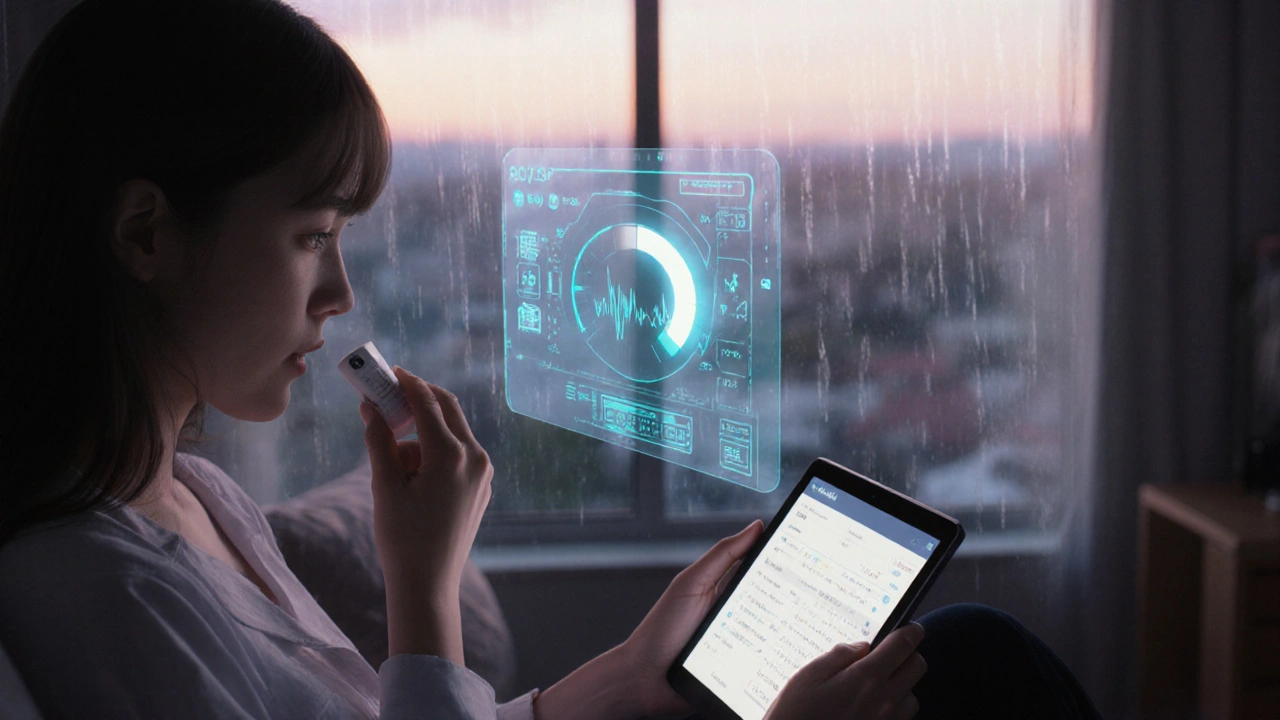
Aripiprazole and Telepsychiatry: How Remote Care Is Changing Mental Health Treatment
Aripiprazole combined with telepsychiatry is improving access to mental health care, especially for rural and underserved patients. Learn how remote medication management works, who benefits most, and what the future holds.