
Systemic lupus erythematosus, or SLE, isn’t just one disease-it’s a ripple effect across the whole body. Imagine your immune system, the very thing meant to protect you, turning against your skin, joints, kidneys, even your brain. That’s lupus. It doesn’t discriminate by age, but it does favor women, especially those between 15 and 45. And it hits harder in Black, Asian, and Hispanic communities. If you’ve been told you have lupus, or you’re wondering if your fatigue, rash, or joint pain might be more than just stress, this is what you need to know.
What Lupus Actually Does to Your Body
Lupus isn’t a single symptom. It’s a pattern. A chaotic one. The immune system starts attacking healthy tissue, and that damage shows up in different places for different people. Some feel it in their joints. Others in their skin. A few face kidney failure. There’s no one-size-fits-all experience.
Almost everyone with lupus gets joint pain-around 95% over time. It’s not arthritis like you’d see in older adults. It’s more like a deep, achy stiffness that moves around. Fatigue? That’s even more common-90% of people say they’re constantly drained, no matter how much they sleep. And the skin? That’s where lupus often first shows up. The classic "butterfly rash" across the cheeks and nose is the most recognizable, but it’s only one form. Others get discoid lesions-round, red, scaly patches that scar and leave bald spots if they hit the scalp. Then there’s subacute cutaneous lupus: a red, scaly rash that flares with sun exposure. It doesn’t scar, but it’s stubborn. And don’t forget the chilblains-purple, tender bumps on fingers and toes from cold weather. These aren’t just cosmetic. They’re signs your immune system is on high alert.
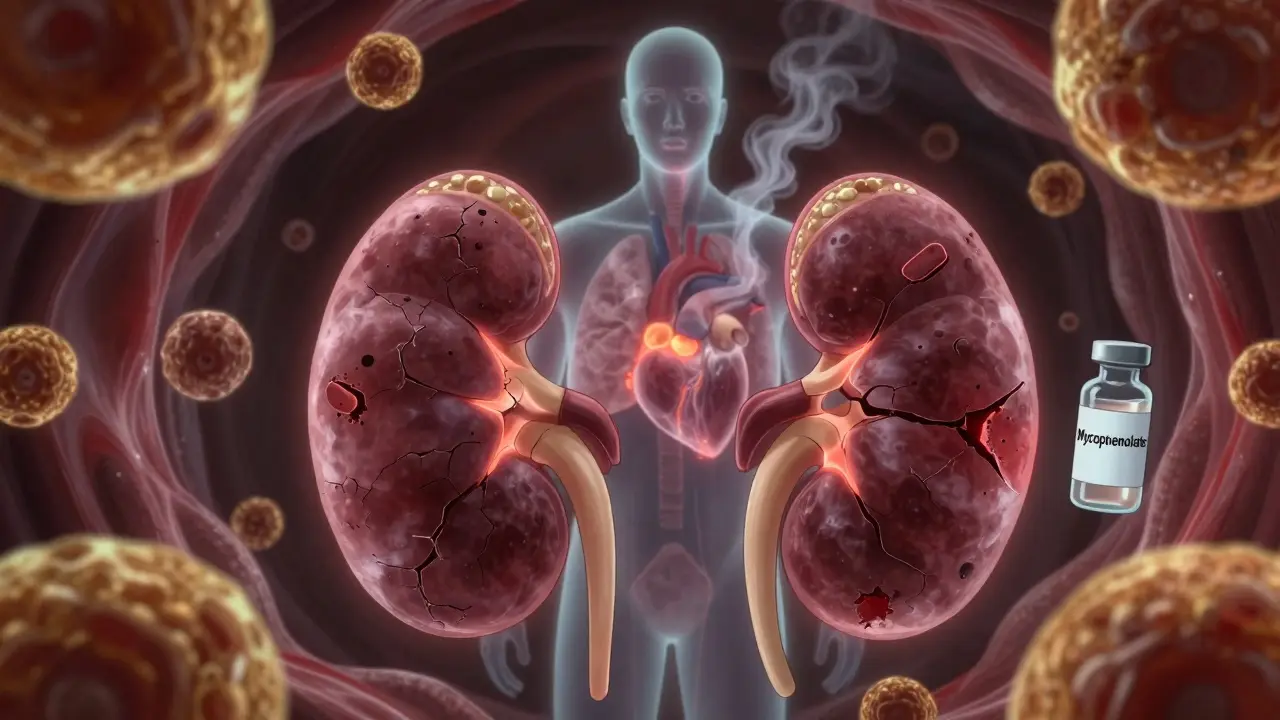
Inside, things get more serious. Half of all lupus patients develop kidney problems-lupus nephritis. It often has no symptoms until it’s advanced. That’s why regular urine and blood tests are non-negotiable. Around 40% deal with heart or lung inflammation. Pericarditis (heart lining swelling) and pleuritis (lung lining swelling) cause sharp chest pain when breathing. Lupus can even affect your brain: seizures, memory loss, or mood swings aren’t rare. Blood counts drop too. Anemia, low white cells, low platelets-these aren’t just lab numbers. They mean higher infection risk and bleeding trouble.
What Triggers a Lupus Flare?
A flare isn’t just feeling worse. It’s your disease reactivating. Symptoms intensify. New ones appear. And they don’t come out of nowhere. There are triggers, and knowing them can help you avoid them.
Sunlight is the biggest one. UV rays don’t just give you a tan-they turn on your immune system. For some, even a short walk on a cloudy day can spark a rash or joint pain. That’s why daily SPF 50+ sunscreen and wide-brimmed hats aren’t optional. They’re medical tools.
Stress? Yes. Whether it’s work pressure, family drama, or financial strain, emotional overload can push lupus into overdrive. It’s not "all in your head." Your body responds to stress hormones by revving up inflammation.
Some medications can trigger lupus-like symptoms. Hydralazine (for high blood pressure), procainamide (for heart rhythm), and isoniazid (for TB) are known culprits. Even TNF inhibitors, used for rheumatoid arthritis, can do it. And hydrochlorothiazide-a common diuretic-can specifically cause subacute cutaneous lupus. If you’re on any of these and notice new rashes or joint pain, talk to your doctor. It might not be a flare-it could be drug-induced.
Pregnancy is another major trigger. Lupus can flare during pregnancy, especially in the first and third trimesters. And the risks go beyond symptoms. There’s a higher chance of miscarriage, preeclampsia, and early delivery. That’s why planning is key. Don’t get pregnant unless your disease has been stable for at least six months. Work with a rheumatologist and an OB who specializes in high-risk pregnancies.
How Lupus Is Managed-Not Cured, But Controlled
There’s no cure. But there is control. The goal isn’t to eliminate lupus. It’s to keep it quiet. To prevent flares. To protect your organs. And to live a full life.
The foundation of treatment? Hydroxychloroquine. Yes, the same drug used for malaria. It’s not a magic bullet, but it’s the closest thing we have. It reduces flares by half. Lowers your risk of blood clots. Helps with skin rashes. And even improves survival. The American College of Rheumatology says everyone with lupus should take it-unless they can’t tolerate it. Dose? Usually 5 mg per kg of body weight per day. That’s about 200-400 mg daily for most adults.
For skin rashes, topical steroids help. For joint pain, NSAIDs like ibuprofen can be useful. But if it’s more than that-if your kidneys, lungs, or brain are involved-you need stronger tools.
For severe flares, doctors use high-dose steroids like methylprednisolone. Given intravenously, it can stop a kidney flare in its tracks. But long-term steroid use? That’s dangerous. Weight gain, bone loss, diabetes, infections. That’s why they’re a bridge, not a destination.
That’s where immunosuppressants come in. Mycophenolate (CellCept) and azathioprine (Imuran) are the go-tos for lupus nephritis. Clinical trials show mycophenolate helps 60-70% of patients achieve kidney remission. Cyclophosphamide is older and harsher, used when other drugs fail. And for those who don’t respond? Rituximab (Rituxan) wipes out specific immune cells that drive lupus.
And then there’s the new wave. Anifrolumab, approved in 2021, blocks interferon-a key driver of inflammation in lupus. In trials, it cut disease activity by 40-50%. It’s not for everyone, but for those who’ve tried everything else, it’s a game-changer. Other drugs in the pipeline? JAK inhibitors, BTK inhibitors, and more biologics targeting specific immune pathways. We’re moving from broad suppression to precision targeting.
Living With Lupus: Daily Strategies That Matter
Medication is only part of the story. How you live every day makes a huge difference.
Exercise might be the last thing you feel like doing when you’re exhausted. But studies show aerobic activity-walking, swimming, cycling-improves energy levels in 65% of people with lupus. It doesn’t have to be intense. Just consistent. Ten minutes a day is better than nothing.
Sleep isn’t just rest. It’s repair. Poor sleep worsens inflammation. Aim for 7-8 hours. If you’re waking up tired, talk to your doctor. Sleep apnea, fatigue, and depression are common in lupus-and treatable.
Heart health is critical. Lupus doubles your risk of heart attack. That’s not because of aging. It’s because of chronic inflammation. Control your blood pressure. Lower your cholesterol. Don’t smoke. These aren’t "nice to haves." They’re survival tools.
Monitor your kidneys. Get a urine test and creatinine blood test every three months. Even if you feel fine. Lupus nephritis doesn’t hurt until it’s too late.
And don’t ignore mental health. Depression and anxiety are twice as common in lupus patients. It’s not just about the disease-it’s about grief, loss, and uncertainty. Therapy, support groups, even talking to someone who gets it, can change your quality of life.
What You Need to Know About Diagnosis
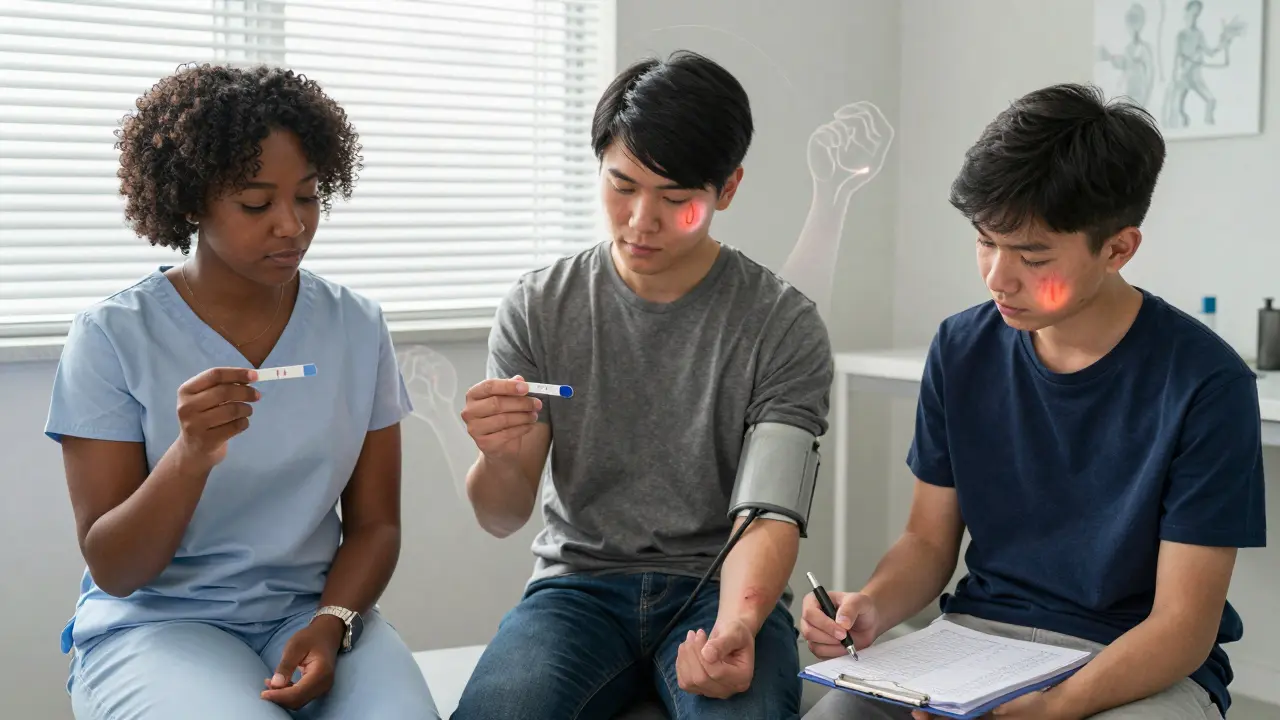
Lupus isn’t diagnosed with one test. It’s a puzzle. The American College of Rheumatology’s 2019 criteria require a positive ANA test as the entry point. But ANA is everywhere-it’s positive in healthy people, in other autoimmune diseases, even in some infections. So what matters more? The pattern.
Anti-dsDNA antibodies? Strong indicator. Found in 60-70% of lupus patients. Anti-Smith? Even more specific-only 20-30% have it, but if they do, it’s almost always lupus. Antiphospholipid antibodies? That’s the red flag for blood clots and miscarriages.
Clinical signs matter just as much. A butterfly rash. Kidney protein in urine. Seizures. Low platelets. The more criteria you meet, the more likely it is lupus. And it takes time. Many people wait years for a diagnosis. Don’t give up. Keep track of your symptoms. Bring a list to your doctor. Write down when things get worse. That data is gold.
Prognosis: It’s Better Than You Think
Twenty years ago, lupus meant early death. Now? 80-90% of people live a normal lifespan. That’s thanks to better drugs, earlier diagnosis, and smarter care.
But survival isn’t the same as quality of life. People with kidney involvement still have a 10-year survival rate of 88%-lower than the 94% for those without. And the biggest killers? Heart disease, infections, and active disease. Black and Hispanic patients still face 2-3 times higher death rates. That’s not biology. That’s access. Care. Bias. We still have work to do.
Childhood lupus? That’s a different beast. Around 20% of cases start before age 18. These kids often come in with severe organ damage. They need aggressive, early treatment. But with the right care, many grow into adulthood with stable disease.
The future? Personalized medicine. Blood tests that predict flares before they happen. Drugs that target your specific immune misfire. We’re not there yet-but we’re closer than ever.
Can lupus be cured?
No, there is no cure for systemic lupus erythematosus. But with the right treatment plan-including hydroxychloroquine, immunosuppressants, and lifestyle changes-most people can achieve long-term remission or low disease activity. The goal is to prevent flares, protect organs, and live a full life.
Is lupus only a skin disease?
No. While skin rashes like the butterfly rash or discoid lesions are common, lupus is a systemic disease. It can affect the kidneys, heart, lungs, brain, blood cells, and joints. In fact, about half of all patients develop kidney involvement, and many experience fatigue, anemia, or neurological symptoms. Skin symptoms are just one piece of the puzzle.
Why do women get lupus more often than men?
The exact reason isn’t fully understood, but hormones play a major role. Estrogen appears to stimulate the immune system, and since lupus is an autoimmune disorder, higher estrogen levels-especially during childbearing years-can trigger or worsen disease. Genetics and environmental factors also contribute, but the 10:1 female-to-male ratio is one of the strongest patterns in autoimmune medicine.
Can I still get pregnant if I have lupus?
Yes, but it requires careful planning. Pregnancy can trigger a lupus flare, and it increases risks like preeclampsia and preterm birth. The safest time to conceive is when your disease has been inactive for at least six months. Work with a rheumatologist and a high-risk OB. Avoid certain medications like mycophenolate before and during pregnancy-they’re dangerous to the fetus.
Does sunlight really make lupus worse?
Yes. Ultraviolet (UV) light from the sun-or even fluorescent lights-can trigger skin rashes and internal flares in up to 80% of people with lupus. That’s why daily broad-spectrum SPF 50+ sunscreen, wide-brimmed hats, and UV-blocking clothing aren’t optional. They’re essential medical tools to prevent flares.
What Comes Next?
If you’re newly diagnosed, start with hydroxychloroquine. Get your sun protection in place. Track your symptoms. Build a team: a rheumatologist, a primary care doctor, and maybe a nephrologist or dermatologist if needed. Don’t wait for a crisis to act. Prevention is your best weapon.
If you’ve had lupus for years, check in with your current plan. Are you still on hydroxychloroquine? Are your kidneys being monitored? Is your blood pressure under control? Are you getting enough sleep and movement? Small changes add up.
Lupus doesn’t have to define you. But it does ask you to be smart, consistent, and proactive. You’re not alone. And with the right tools, you can live well-for decades.

James Roberts
Let me just say - hydroxychloroquine as a malaria drug repurposed for lupus? That’s the kind of medical irony I can get behind. I’ve seen people write it off like it’s some placebo, but the data’s solid: halves flares, cuts clots, improves survival. It’s not glamorous, but it’s the backbone of treatment. Why aren’t more people on it? Probably because doctors still think lupus is "just a rash" until someone’s kidneys start failing.
Nina Catherine
i just got diagnosed last month and this post made me cry (in a good way??). i’ve been told my fatigue is "just stress" and my rash is "all in my head" - but no, it’s lupus. thank you for writing this. i’m starting hcq tomorrow. 🙏
Robert Shiu
You’re not alone. I’ve been living with this for 12 years. The first year was hell - doctors dismissed me, I thought I was going crazy. Then I found a rheumatologist who actually listened. Hydroxychloroquine changed everything. Not a cure, but a lifeline. And yes - sunscreen isn’t optional. I wear it indoors under fluorescent lights now. Weird? Maybe. But I’m still here.
Caleb Sciannella
It is of paramount importance to recognize that systemic lupus erythematosus, as a complex autoimmune phenomenon, demands a multidisciplinary approach grounded in evidence-based protocols. The assertion that hydroxychloroquine serves as a foundational therapeutic agent is not merely supported by anecdotal observation, but by robust clinical trials, including those published in the New England Journal of Medicine and the Annals of the Rheumatic Diseases. Furthermore, the epidemiological data indicating disproportionate burden among Black, Asian, and Hispanic populations underscores the necessity of addressing structural inequities in healthcare access - a factor often underemphasized in clinical discourse. One must not conflate disease manifestation with individual agency; lupus is not a consequence of poor lifestyle choices, but rather a convergence of genetic susceptibility and environmental triggers.
Oana Iordachescu
Interesting. So you're telling me the government doesn't want us to know that hydroxychloroquine was originally developed by the pharmaceutical industry to control populations - and now they're pushing it as a "lifesaver"? Also, why is the sun the trigger? Because of 5G towers? Or maybe the fluoridated water? I've been tracking my flares - every time I go outside, my joints ache. Coincidence? I think not. Also, I read that the CDC has been hiding data on lupus mortality rates since 2017. They're calling it "autoimmune inflammation" - but I know better.
Irish Council
sunscreen is a medical tool lmao
Jayanta Boruah
It is imperative to note that the prevalence of lupus nephritis among Indian subcontinental populations is significantly elevated due to genetic polymorphisms in the HLA-DR2 and HLA-DR3 haplotypes, as demonstrated in the 2020 multicenter study conducted by AIIMS, New Delhi. Furthermore, the efficacy of mycophenolate mofetil in achieving renal remission is statistically superior to cyclophosphamide in non-Caucasian cohorts, with a p-value of <0.01. The current American guidelines, while evidence-based, fail to account for regional genetic variability, thereby compromising therapeutic outcomes in non-Western populations. This necessitates a paradigm shift toward population-specific immunosuppressive regimens.
Hariom Sharma
Bro, I had lupus for 5 years and thought I was done for. Then I started walking 20 mins a day, stopped sugar, and got my sleep back. No magic pills. Just consistency. Now I’m hiking on weekends. You got this. One step. One day. One sunscreen. You’re not broken - you’re adapting.
Taylor Mead
I’ve been a caregiver for my sister for 8 years. She’s been stable on HCQ + low-dose steroids for 4 years now. What no one talks about? The mental toll. The guilt. The fear of being a burden. The way friends slowly disappear. It’s not just about the meds - it’s about showing up, even when you’re tired. Even when you’re scared. You’re not alone. I see you.
Courtney Hain
Let me break this down. The FDA approved anifrolumab in 2021 - but did you know it was originally developed by a company with ties to the Illuminati? And interferon is literally a weaponized cytokine. The fact that they’re now calling it a "game-changer"? That’s the same language they used for the COVID vaccines before they started hiding adverse event reports. I’ve been tracking my lab results since 2018 - every time I get a new flare, the same three labs spike: CRP, ESR, and anti-dsDNA. Coincidence? Or is it being manipulated? The truth is buried under layers of corporate medicine. Wake up.
Amrit N
just started hcq last week. my doc said "you’ll feel better in 3-6 months." i’m like… i’m tired right now. but i’m trying. also, i wear a hat indoors now. my cat judges me.
Scott Dunne
As an Irishman, I find it deeply troubling that American medical discourse is so heavily influenced by pharmaceutical lobbying. Hydroxychloroquine? A drug that was once vilified during the pandemic - now suddenly a miracle? The inconsistency is glaring. And why are we told to avoid sunlight, yet the same corporations profit from sunscreen sales? This is not medicine - it’s commodified fear. I recommend avoiding all pharmaceutical interventions and seeking natural remedies - turmeric, omega-3s, and cold showers. The body knows best.