Patent Term Restoration: What It Means for Drug Prices and Access
When a new drug hits the market, its patent term restoration, a legal extension granted by the U.S. Patent and Trademark Office to compensate for regulatory review delays. Also known as drug patent extension, it’s a key lever that controls how long a brand-name drug stays alone on the shelf before cheaper generics can appear. The average drug takes about 10 years to go from lab to pharmacy shelf—half of that is spent in clinical trials and FDA approval. That eats up nearly half of the standard 20-year patent clock. Without patent term restoration, companies would have barely any time to recoup their investment before generics knock prices down by 80%.
Patent term restoration isn’t automatic. It’s only available for drugs that went through full FDA review, and the extension can’t exceed five years—plus the total market exclusivity can’t go past 14 years from approval. This rule keeps the system from being abused. But here’s the catch: companies often time their patent filings to maximize this extension. A drug might get a new patent on its delivery method, dosage form, or even a minor chemical tweak just before the original patent expires. These are called evergreening, strategies to extend market exclusivity by filing new patents on minor changes to existing drugs. It’s legal, but it delays generic competition. And that means you pay more—sometimes for years longer than most people expect.
That’s why generic drug entry, the moment when FDA-approved copies of a brand drug become available. matters so much. When generics arrive, prices drop fast. But if patent term restoration is used aggressively, that moment gets pushed back. The FDA tracks these extensions closely, and the Hatch-Waxman Act of 1984 created the whole system to balance innovation and access. It’s not perfect. Some drugs get 12 years of exclusivity—longer than many people realize. Others, especially biologics, get even more under different rules.
What you see in your pharmacy isn’t just about science. It’s about timing, law, and money. The drugs you take today—whether it’s insulin, a blood thinner, or a new diabetes pill—might still be under patent protection because of this system. And that’s why some medications cost hundreds, even thousands, of dollars while others are $4 at Walmart. The difference often comes down to whether the patent clock has run out—or been reset.
Below, you’ll find real-world examples of how patent term restoration affects drug access, pricing, and what you can do to save money when brand-name drugs are still protected. From how insurers handle these drugs to how patients navigate the gap before generics arrive, these posts break down what actually happens behind the scenes.
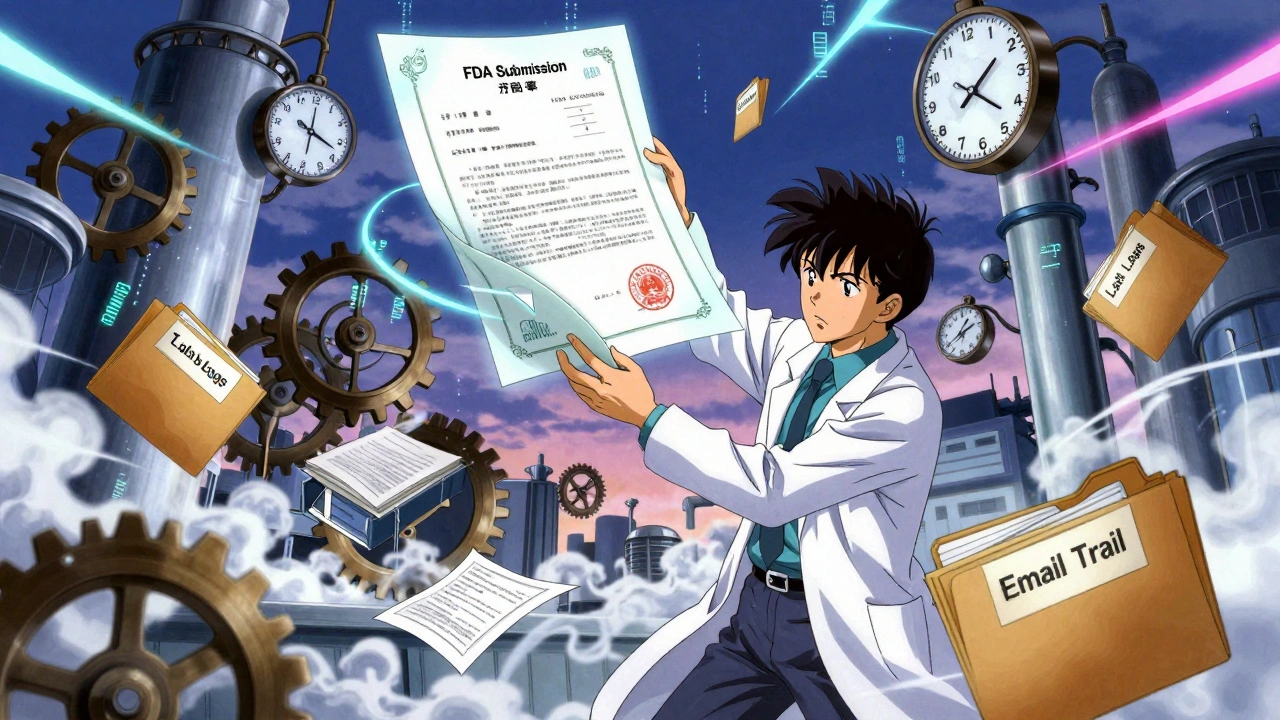
Patent Term Restoration (PTE): How Drug Patents Get Extra Time
Patent Term Restoration (PTE) lets drug makers recover lost patent time due to FDA delays. Learn how it works, who qualifies, and why it's critical for pharmaceutical innovation-and controversial in drug pricing debates.