Bioequivalence: What It Means for Generic Drugs and Your Health
When you pick up a generic pill, you want to know it does the same job as the brand-name version. That’s where bioequivalence, the scientific proof that two drugs release the same amount of active ingredient into your bloodstream at the same rate. Also known as therapeutic equivalence, it’s the invisible guarantee that your $4 metformin works just like the $100 brand. Without bioequivalence, generic drugs wouldn’t be trusted by doctors, pharmacists, or patients—they’d just be cheaper lookalikes.
The FDA, the U.S. agency that approves all prescription and over-the-counter drugs doesn’t just approve generics based on appearance or ingredients. They require real-world testing: volunteers take both the brand and generic versions, and blood samples are taken over hours to measure how fast and how much of the drug enters the system. If the levels match within strict limits—usually 80% to 125% of the brand’s absorption—the drug is declared bioequivalent. This isn’t theoretical. It’s tested in labs with real people, under controlled conditions. And it’s why you can safely switch from Lipitor to atorvastatin without worrying your cholesterol will spike.
Bioequivalence isn’t just about safety—it’s about access. It’s what lets millions of people afford their diabetes, blood pressure, and thyroid meds every month. But it’s not foolproof. Some drugs, like warfarin or levothyroxine, need extra care because tiny changes in absorption can have big effects. That’s why pharmacists sometimes ask if you want the same generic brand each time. It’s not about mistrusting generics—it’s about consistency in a system built on precision.
What you’ll find in these posts isn’t just theory. It’s real stories: how generic substitution affects seniors who juggle ten pills, why workers’ comp programs push for generics, how discount cards make bioequivalent drugs even cheaper, and how to talk to your doctor when you’re unsure about a switch. These aren’t marketing claims. They’re grounded in the science that makes bioequivalence work—and the everyday challenges that come with it.
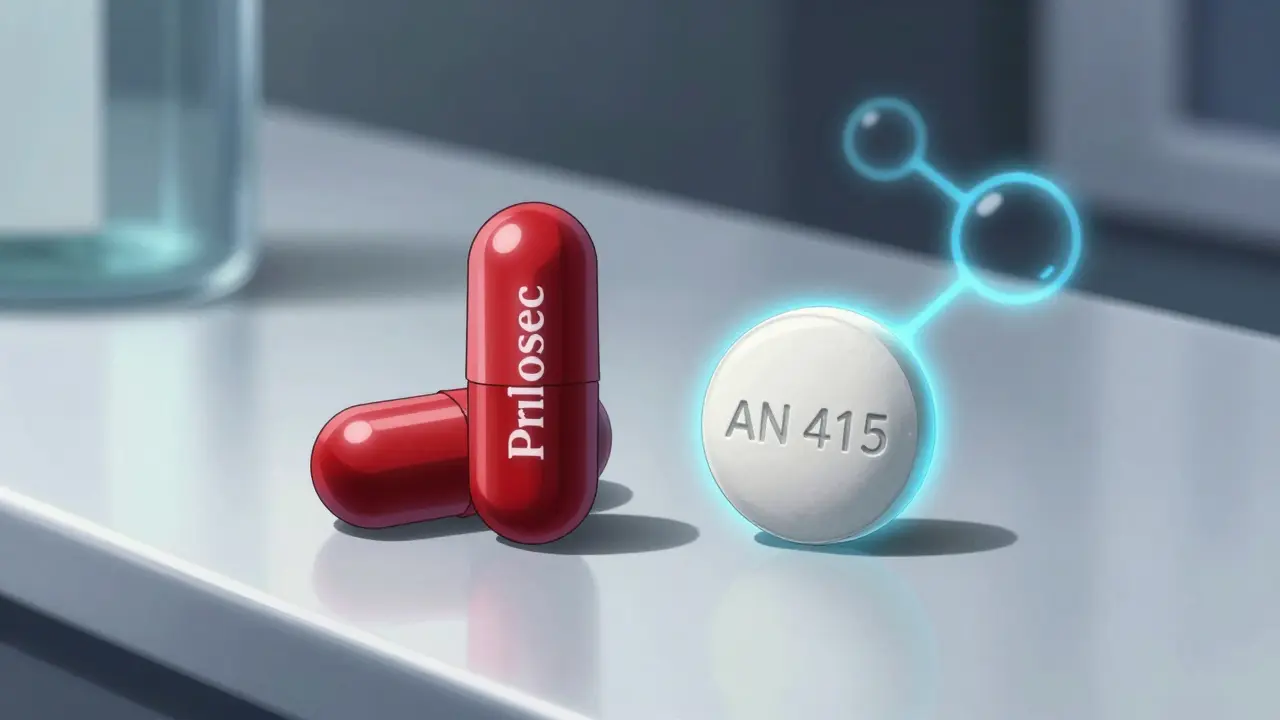
Generic vs Brand Name Drugs: What the Label Really Tells You and Why They Work the Same
Generic drugs are just as effective as brand-name versions, but cost up to 85% less. Learn how the FDA ensures therapeutic equivalence, why labels and appearances differ, and when to watch for subtle changes.

Clinical Studies on Generic Drug Efficacy: What the Research Really Shows
Clinical studies show generic drugs are just as effective as brand-name drugs for most conditions. Learn what the research says, when generics may differ, and how to ensure they work for you.

Special Populations in Bioequivalence: Age and Sex Considerations
Bioequivalence studies must now reflect real-world users. Age and sex differences impact how drugs work-regulators like the FDA now require balanced representation in generic drug testing to ensure safety and effectiveness for everyone.