Author: Vinny Benson - Page 4

Kombucha and Alcohol-Sensitive Medications: What You Need to Know Before You Drink
Kombucha may seem harmless, but its trace alcohol can interact dangerously with common medications. Learn which drugs are at risk, how much alcohol is really in your bottle, and what to do to stay safe.

False Drug Allergy Labels: How Testing Can Save Your Life and Reduce Antibiotic Resistance
Over 95% of people with penicillin allergy labels aren’t truly allergic. Testing can safely remove false labels, improve treatment options, and reduce antibiotic resistance. Learn how the process works and what to do next.

Radiation vs. Surgery: Choosing the Best Local Control Strategy for Cancer
Radiation and surgery are both effective for localized cancers like prostate and lung cancer. Learn how they compare in survival rates, side effects, recovery time, and who benefits most from each option.

Future Legal Developments: Proposed Laws and Regulatory Changes in 2025-2026
In 2025-2026, new laws are reshaping employment, housing, taxes, and gun rights across the U.S. From California's sweeping labor reforms to federal tax changes and Supreme Court shifts, staying compliant requires more than guesswork - it demands action.

Asthma Medication Safety During Pregnancy and Breastfeeding: What You Need to Know
Learn which asthma medications are safe during pregnancy and breastfeeding, why stopping them is riskier than using them, and how to manage your asthma safely for you and your baby.

Clinical Studies on Generic Drug Efficacy: What the Research Really Shows
Clinical studies show generic drugs are just as effective as brand-name drugs for most conditions. Learn what the research says, when generics may differ, and how to ensure they work for you.

Immunogenicity in Biosimilars: Why Immune Responses May Differ from Reference Biologics
Biosimilars are highly similar to biologics but can trigger different immune responses due to manufacturing variations. Learn why anti-drug antibodies form, how patient factors play a role, and what real-world data says about safety and efficacy.
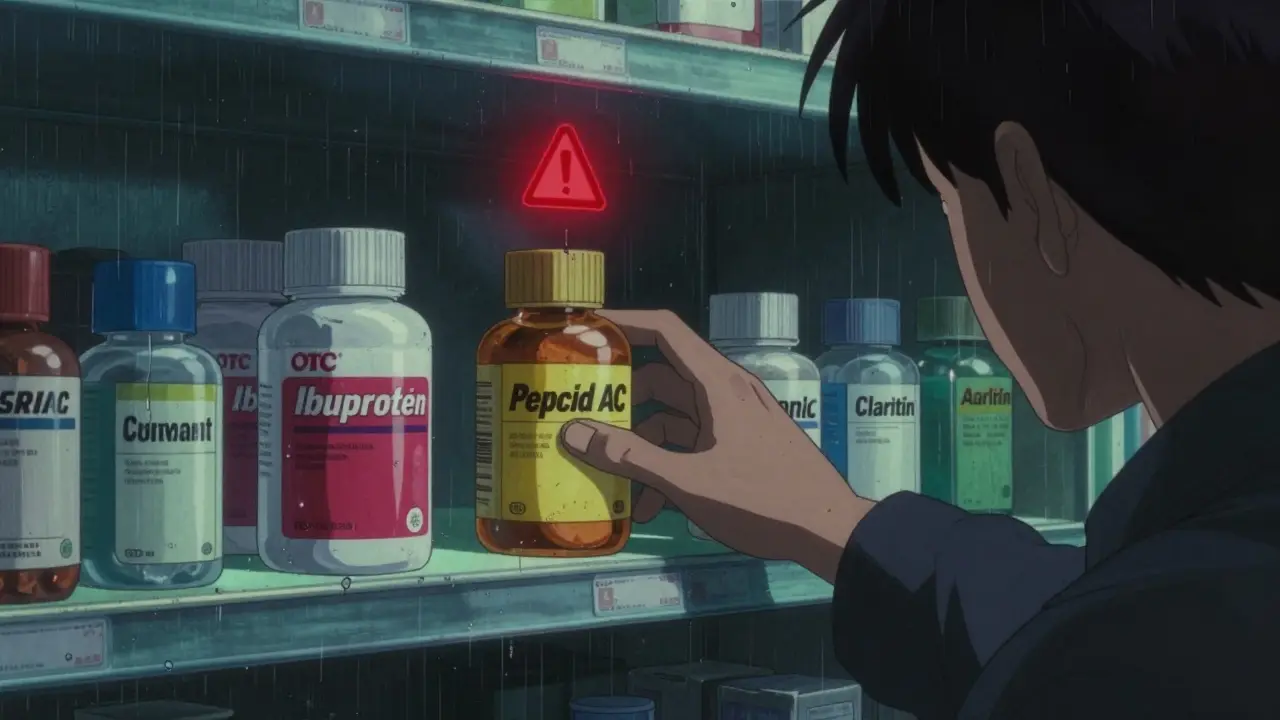
OTC to Prescription Switches: What Consumers Need to Know About Safety
OTC switches let you buy former prescription drugs without a doctor’s note-but that freedom comes with hidden risks. Learn how to use them safely, avoid dangerous interactions, and protect yourself from common mistakes.

Oral vs Injection vs Topical: How Delivery Method Affects Side Effects
Oral, injection, and topical routes affect how drugs work and their side effects. Learn why one method may be safer or more effective than another based on your condition and needs.

Immunosuppressants: Essential Safety Tips for Transplant Patients
Immunosuppressants prevent organ rejection after transplant but carry serious risks like infection, cancer, and kidney damage. Learn how to take them safely, avoid missed doses, and manage long-term side effects for the best outcomes.