Bisphosphonate Side Effects: What You Need to Know Before Taking Them
When you take bisphosphonates, a class of drugs used to strengthen bones and treat osteoporosis. Also known as bone resorption inhibitors, they work by slowing down cells that break down bone tissue. These drugs are commonly prescribed for postmenopausal women, older adults with low bone density, and people on long-term steroid therapy. But while they help prevent fractures, they don’t come without risks.
Bisphosphonates can cause serious side effects that many patients aren’t warned about. One of the most feared is osteonecrosis of the jaw, a condition where the jawbone starts to die due to reduced blood flow. This often happens after dental work—like extractions or implants—and is more common in people who’ve been on these drugs for more than three years. Another rare but dangerous issue is atypical femur fracture, a sudden break in the thigh bone that occurs with little or no trauma. It’s not common, but when it happens, it’s often preceded by weeks of thigh pain that gets ignored. Other side effects include severe heartburn, esophageal irritation, and muscle or joint pain. Some people even report flu-like symptoms after their first IV dose.
Not everyone on bisphosphonates will face these problems, but knowing who’s at higher risk helps you make smarter choices. Older adults, people with poor dental health, and those taking steroids or cancer drugs alongside bisphosphonates need extra care. Your doctor should check your dental health before starting treatment and may suggest a "drug holiday" after 3–5 years to lower long-term risks. It’s not about avoiding the drug—it’s about using it wisely.
The posts below cover real-world stories and clinical insights about how bisphosphonates interact with other medications, how to spot early warning signs, and what alternatives exist when the risks outweigh the benefits. You’ll find advice on managing side effects, what to ask your doctor, and how to protect your bones without relying solely on these drugs. Whether you’re taking one now or considering it, this collection gives you the facts you need to stay in control.
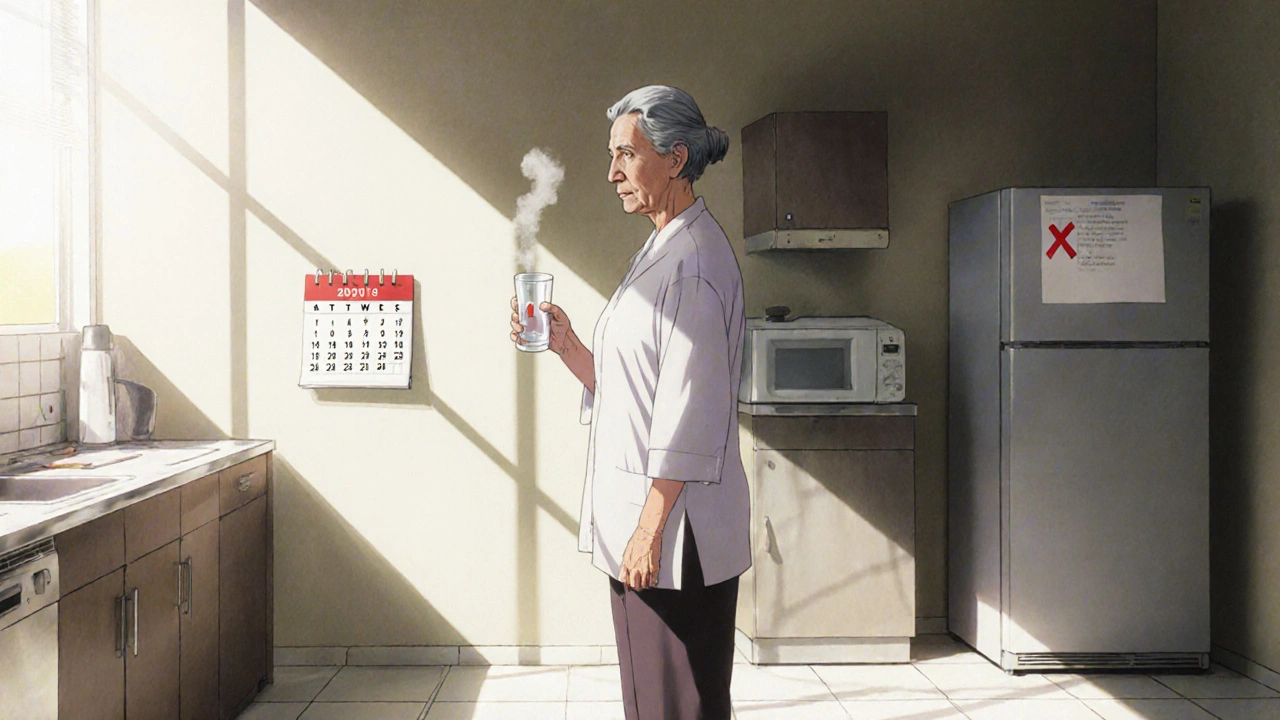
How to Maximize the Benefits of Ibandronate Sodium Treatment
Learn how to take ibandronate sodium correctly to strengthen bones, avoid side effects, and reduce fracture risk. Key tips on dosing, diet, exercise, and long-term use.