Medication Safety and Management in 2025: Key Insights on Pain Relief, Drug Interactions, and Emergency Prep
When it comes to medication safety, the practice of using drugs correctly to avoid harm while getting real results. Also known as drug safety, it’s not just about reading labels—it’s about understanding how your body reacts, what other meds might clash with yours, and how to prepare when things go wrong. In November 2025, we dug into the real-world risks people face daily: from a simple NSAID gel causing stomach bleeding to a life-saving hepatitis C drug triggering dangerous heart rhythms. These aren’t edge cases. They’re everyday mistakes hiding in plain sight.
One of the biggest blind spots? drug interactions, when two or more medications react in harmful ways inside your body. For example, combining ACE inhibitors and ARBs doesn’t lower blood pressure better—it just raises your risk of kidney failure and dangerous potassium spikes. Or take St. John’s Wort, a popular herbal supplement for mild depression. It doesn’t just cause drowsiness—it can make your birth control, antidepressants, or transplant drugs useless overnight. And then there’s linezolid, an antibiotic that can trigger a deadly blood pressure spike if you eat aged cheese, cured meats, or draft beer. These aren’t warnings you can ignore. They’re red flags that demand action.
It’s not all about risks. We also broke down how to use meds right. topical analgesics, like lidocaine patches and capsaicin creams, offer targeted pain relief without the stomach upset or drowsiness of pills. For people with diabetes, basal-bolus insulin, a system that mimics how your pancreas naturally works, gives far better glucose control than old-school routines—if you know how to dose it. And for anyone with dry eyes, artificial tears often don’t cut it. You need to fix the root cause, not just add drops.
And when emergencies hit—whether it’s a natural disaster, car accident, or sudden hospital stay—you can’t afford to guess what meds you’re taking. That’s why we covered how to build a proper emergency medication kit, a go-bag with 14 days of essential drugs, dosing info, and contact details. Most people pack a few pills in a ziplock. That’s not enough. You need organization, labels, and backups.
From how to use secure messaging to ask your pharmacist a question without waiting on hold, to why the FDA sometimes extends drug expiration dates during shortages, November 2025 gave you the tools to take control. No fluff. No jargon. Just what works, what doesn’t, and what you need to know before your next doctor’s visit—or your next emergency.
Topical Analgesics: Lidocaine, Capsaicin, and NSAID Gels for Localized Pain Relief
Lidocaine patches, capsaicin creams, and NSAID gels offer targeted pain relief with fewer side effects than pills. Learn how each works, what they’re best for, and how to use them safely.
How to Read FDA Safety Communications for Your Medications
Learn how to read FDA Safety Communications to understand real risks with your medications. Know what to look for, how to respond, and how to get alerts before they affect you.
How to Use Secure Messaging to Ask Medication Questions
Learn how to safely and effectively use secure messaging to ask questions about your medications. Reduce errors, avoid phone tag, and keep your health info protected with HIPAA-compliant tools like MyChart.
Basal-Bolus Insulin: Dosing Strategies for Optimal Glucose Control
Basal-bolus insulin therapy mimics natural insulin release with long-acting background insulin and mealtime doses. Learn how to calculate doses, adjust for meals and highs, and achieve better glucose control with this proven diabetes management strategy.
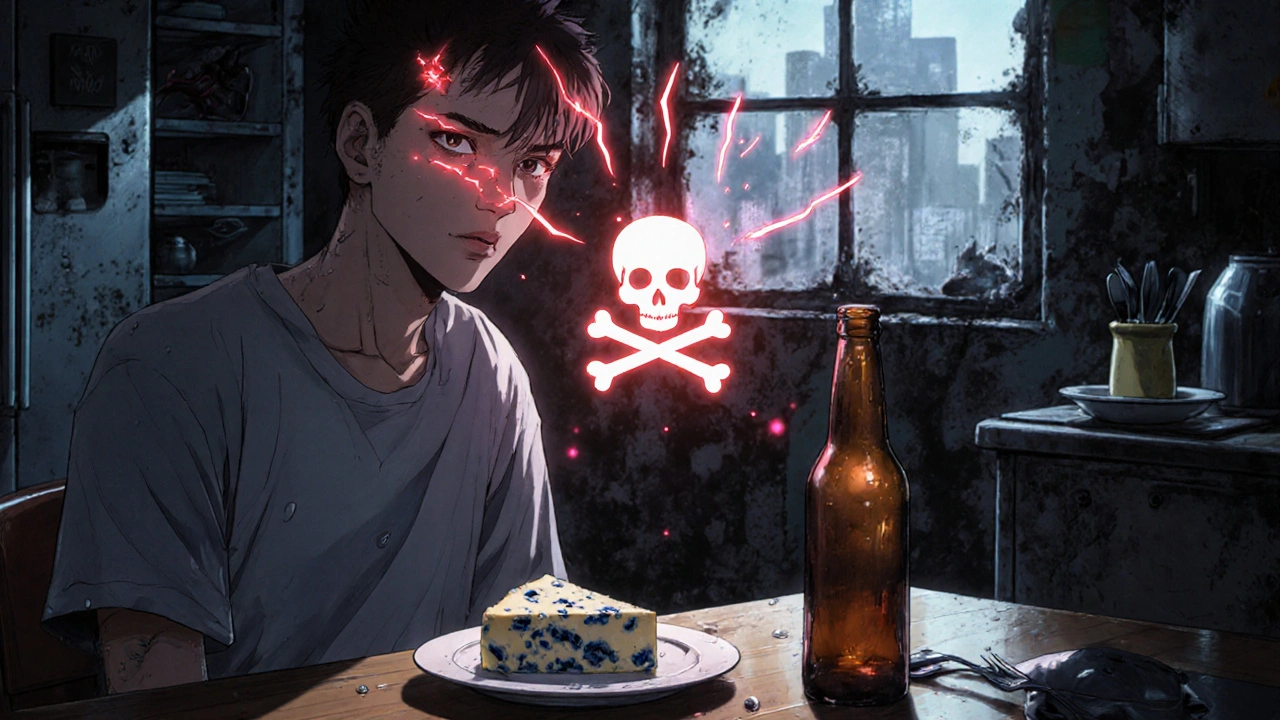
Linezolid and Tyramine: What You Must Eat - and Avoid - to Prevent Hypertensive Crisis
Linezolid can cause a life-threatening blood pressure spike if you eat tyramine-rich foods. Learn exactly which foods to avoid, what's safe, and how long to wait after treatment to prevent a hypertensive crisis.

ACE Inhibitors and ARBs: What You Need to Know About Interactions and Cross-Reactivity
ACE inhibitors and ARBs are common blood pressure meds, but combining them increases the risk of kidney damage and dangerous potassium spikes without added benefits. Learn why doctors avoid this combo and what to do instead.

Heartburn Medications in Pregnancy: Antacids, H2 Blockers, and PPIs Explained
Learn which heartburn medications are safe during pregnancy, including antacids like Tums, H2 blockers like Pepcid, and PPIs like omeprazole. Understand dosing, timing, and what to avoid for safe relief.
How to Prepare for Allergy Testing for Antibiotic Reactions
Learn how to prepare for antibiotic allergy testing to confirm or rule out a penicillin allergy. Discover what to expect, how to stop interfering medications, and why testing can save you money and improve future treatments.
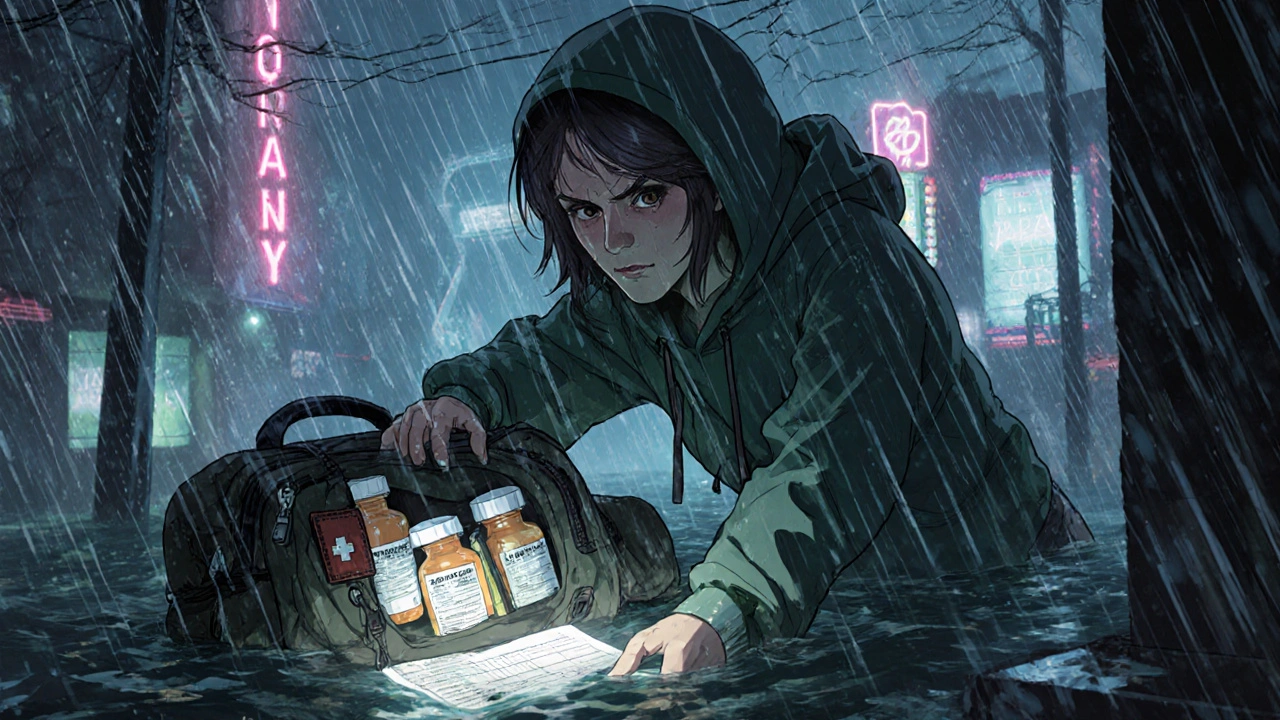
Medication Safety in Emergencies: What to Keep in Your Go-Bag
A medication go-bag ensures you have essential drugs and medical info during emergencies. Learn what to pack, how to store it, and why a 14-day supply matters more than you think.

Dry Eye Syndrome: Understanding Tear Deficiency and How Artificial Tears Help
Dry eye syndrome affects millions with symptoms like grittiness, burning, and blurred vision. Learn how tear deficiency works, why artificial tears often fall short, and what actually helps-beyond just eye drops.