St. John's Wort Side Effects: What You Need to Know Before Using It
When people look for natural ways to feel better, St. John's Wort, a herbal supplement often used for mild depression and mood support. Also known as Hypericum perforatum, it's one of the most studied herbal remedies outside of prescription meds. But just because it’s natural doesn’t mean it’s harmless. Many think it’s a safe alternative to antidepressants, but the truth is, it can mess with your body in ways you don’t expect.
One of the biggest dangers is serotonin syndrome, a potentially life-threatening reaction caused by too much serotonin in the brain. This can happen if you take St. John's Wort with SSRIs like sertraline or fluoxetine—even if you’re just starting one or switching from one to the other. Symptoms? Agitation, fast heart rate, high blood pressure, sweating, confusion, and in severe cases, seizures. It’s not rare. Emergency rooms see it every year.
Then there’s drug interactions, how St. John's Wort changes how your body processes other medications. It forces your liver to break down drugs faster, which means pills like birth control, blood thinners, HIV meds, and even some cancer treatments stop working right. A woman on the pill might get pregnant. Someone on warfarin could bleed internally. A transplant patient might reject their new organ. These aren’t hypotheticals—they’ve happened.
Even if you’re not on other meds, St. John's Wort can cause its own side effects: dry mouth, dizziness, stomach upset, fatigue, and increased sensitivity to sunlight. Some people get sunburns easily, even with sunscreen. Others report anxiety or insomnia, which is the opposite of what they hoped for. And because it’s sold as a supplement, there’s no guarantee what’s actually in the bottle. One brand might have twice the active ingredient as another. Or worse, it might be contaminated.
There’s also the myth that it’s gentle because it’s herbal. But your body doesn’t care if something comes from a plant or a lab—it reacts to the chemicals. St. John's Wort contains hyperforin and hypericin, which directly affect brain chemistry and liver enzymes. It’s a powerful substance. Not a vitamin. Not a tea. A drug.
If you’re thinking about trying it, talk to your doctor first. Not your friend. Not your yoga instructor. Your doctor. Bring the bottle. Show them what you’re taking. Ask: "Will this interfere with anything I’m on?" And if you’re already using it, don’t stop cold turkey. Tapering matters. Withdrawal can cause headaches, nausea, and mood crashes.
Below, you’ll find real-world stories and facts from people who’ve dealt with St. John's Wort side effects, drug interactions, and safety concerns. Some found relief. Others ended up in the ER. All of them learned the hard way. This isn’t about scaring you. It’s about giving you the facts so you don’t have to.
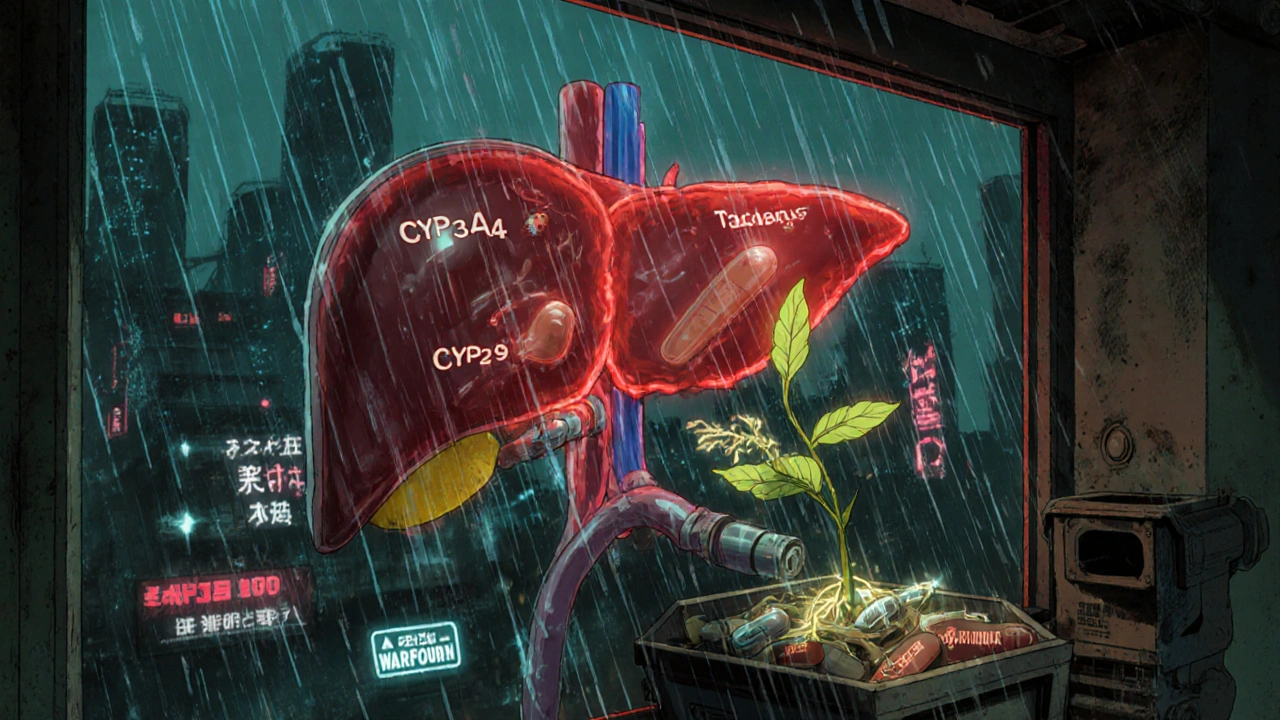
St. John’s Wort and Prescription Drugs: What You Must Know Before Taking It
St. John’s Wort may help with mild depression, but it can dangerously reduce the effectiveness of birth control, transplant drugs, antidepressants, and more. Learn which medications it interacts with and what to do instead.