PPI Therapy: What It Is, How It Works, and What You Need to Know
When your stomach acid starts causing trouble—burning chest, sour taste, persistent bloating—you might hear about PPI therapy, a treatment using proton pump inhibitors to reduce stomach acid production. Also known as proton pump inhibitor treatment, it’s one of the most common ways doctors manage chronic acid-related conditions. Unlike antacids that just neutralize acid temporarily, PPIs shut down the acid-producing pumps in your stomach lining. That means longer relief, fewer flare-ups, and time for damaged tissue to heal.
PPI therapy isn’t just for heartburn. It’s used for GERD, gastroesophageal reflux disease, a condition where stomach acid regularly flows back into the esophagus, healing ulcers, preventing stomach bleeding from NSAIDs, and even treating rare conditions like Zollinger-Ellison syndrome. But it’s not a one-size-fits-all fix. Many people take PPIs for months or years without realizing the risks: nutrient deficiencies, increased infection risk, or rebound acid when stopping cold turkey. That’s why knowing when to start, how long to stay on it, and when to switch matters.
Related to PPI therapy are proton pump inhibitors, a class of drugs including omeprazole, esomeprazole, pantoprazole, and lansoprazole, each with slight differences in how fast they work, how long they last, and how they interact with other meds. Some are available over the counter; others need a prescription. And while they’re effective, they’re not the only option. H2 blockers like famotidine offer shorter-term relief with fewer long-term concerns. Lifestyle changes—cutting back on caffeine, avoiding late meals, losing weight—can cut PPI use by half for many people.
The posts below cover real situations where PPI therapy comes into play: how it interacts with other drugs, when it’s overused, what alternatives actually work, and how to manage side effects. You’ll find stories about people managing reflux without relying on daily pills, how kidney function can be affected, and why some patients need to switch from brand to generic versions safely. Whether you’re taking PPIs now, thinking about starting, or trying to get off them, this collection gives you the facts—not the hype.
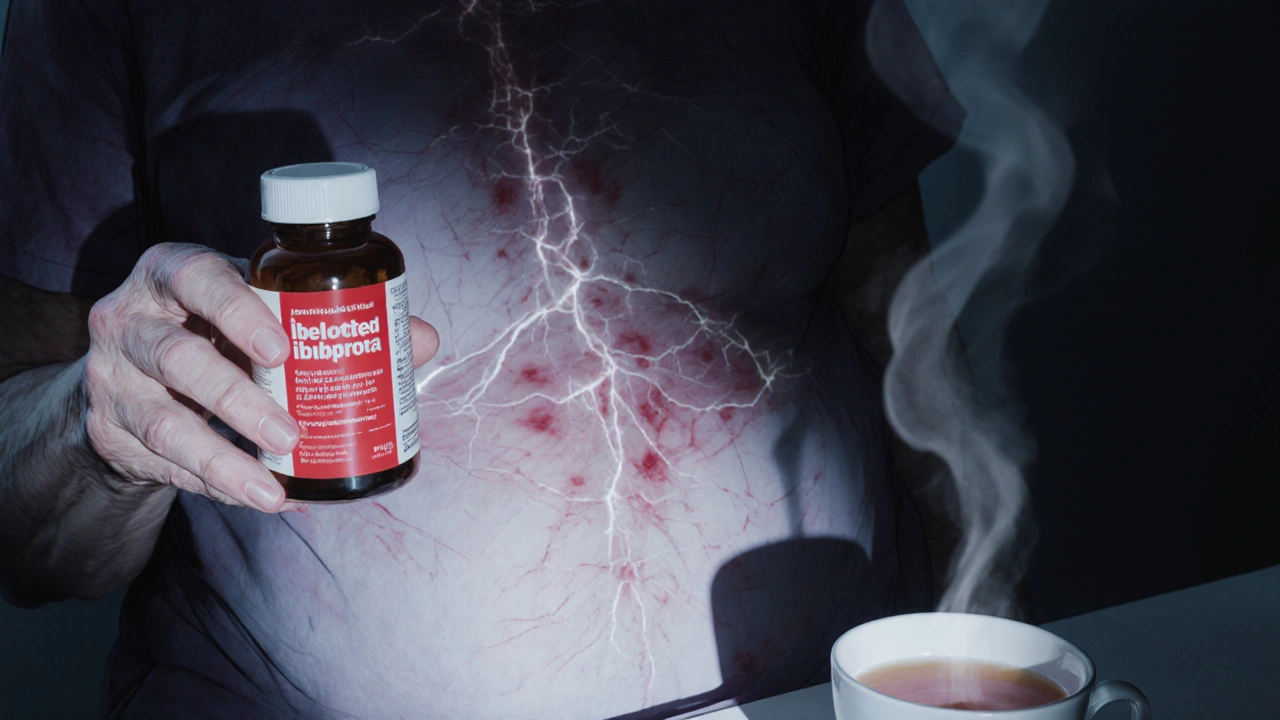
NSAIDs and Peptic Ulcer Disease: Understanding the Risk of Gastrointestinal Bleeding
NSAIDs like ibuprofen and naproxen can cause serious stomach bleeding, especially in older adults or those with prior ulcers. Learn who's at risk, how to protect yourself, and what alternatives exist.