Cochlear Hair Cells: How They Work and Why They Matter for Hearing Health
When you hear a song, a voice, or a door slam, it’s thanks to cochlear hair cells, specialized sensory cells in the inner ear that convert sound vibrations into electrical signals for the brain. Also known as auditory hair cells, these tiny structures sit inside the cochlea and are the first step in turning physical sound into something your mind can interpret. Unlike skin or liver cells, cochlear hair cells in humans don’t regenerate. Once they’re damaged—by loud noise, aging, or certain drugs—they’re gone for good. That’s why sensorineural hearing loss, the most common type, is often permanent.
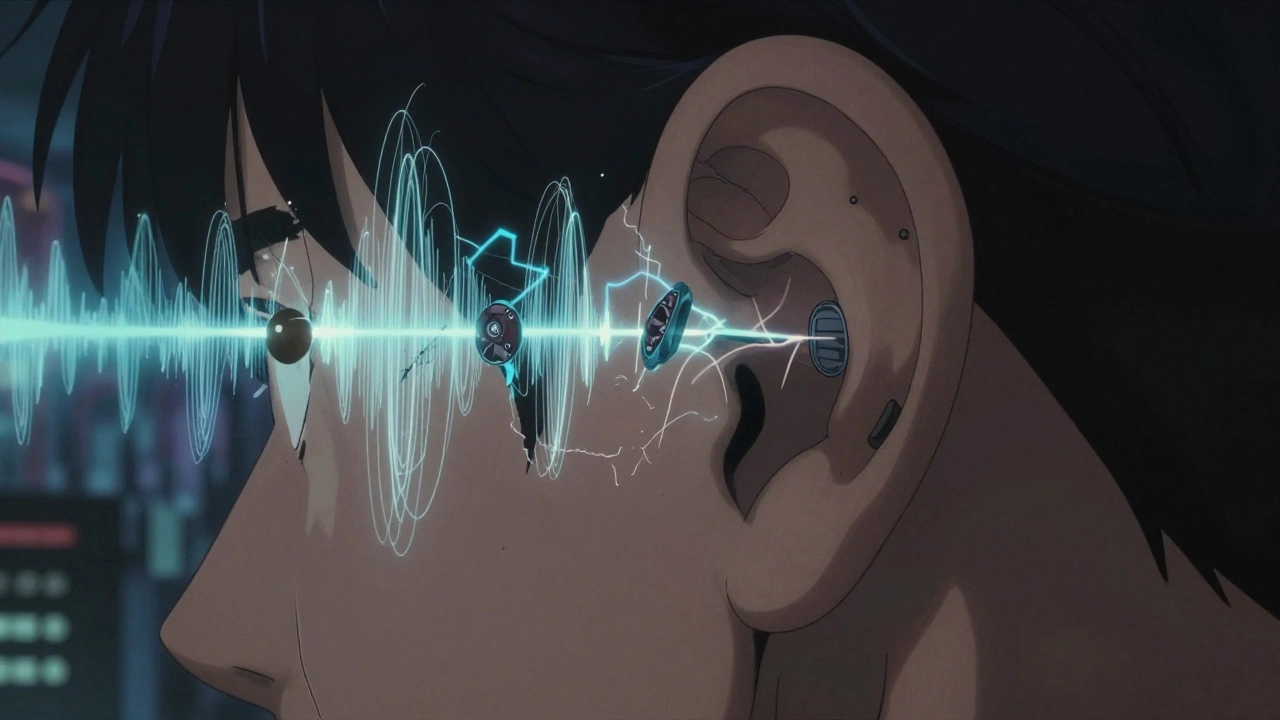
These cells work like microscopic antennas. Each one has tiny hair-like projections called stereocilia that bend when sound waves hit them. That bending opens channels in the cell, letting in ions that trigger an electrical pulse. That pulse travels down the auditory nerve straight to your brain. It’s not just about volume—it’s about clarity, pitch, and timing. Damage to different parts of the cochlea affects different frequencies. High-pitched sounds like birdsong or children’s voices go first because those hair cells are more exposed and fragile.
Many of the medications you take—like certain antibiotics, chemotherapy drugs, or high-dose aspirin—can quietly poison these cells. That’s why doctors monitor hearing during long-term treatments. And while hearing aids and cochlear implants help, they don’t fix the root problem: the missing hair cells. Researchers are now testing gene therapies and stem cell approaches to regrow them in animals. Early results are promising, but nothing’s ready for humans yet.
What you’ll find here isn’t just theory. These posts connect directly to real-world issues: how drugs affect your inner ear, why some meds cause hearing loss, how to protect your hearing while managing chronic conditions, and what to ask your doctor if your hearing changes. Whether you’re dealing with tinnitus after a course of antibiotics, worried about aging-related hearing decline, or just trying to understand why your hearing aid doesn’t fix everything, the articles below give you the facts without the fluff.
Sensorineural Hearing Loss: What Causes Inner Ear Damage and Why It's Often Permanent
Sensorineural hearing loss is permanent inner ear damage caused by dead hair cells or nerve damage. Learn the causes, symptoms, and real solutions-from hearing aids to cochlear implants-and why early action matters.