Silicosis: Causes, Risks, and What You Need to Know About This Lung Disease
When you breathe in tiny particles of silica, a mineral found in sand, rock, and soil. Also known as crystalline silica, it’s everywhere—from construction sites to sandblasting shops and even some nail salons. Over time, those particles don’t just disappear. They get stuck in your lungs, trigger inflammation, and slowly scar the tissue. That’s silicosis, a permanent, progressive lung disease caused by long-term exposure to silica dust. It’s not contagious. It’s not caused by smoking. It’s caused by work—and too often, it’s ignored until it’s too late.
Silicosis doesn’t show up overnight. It can take years, even decades, to develop. But once it starts, your lungs lose their ability to transfer oxygen. You’ll feel winded climbing stairs, coughing won’t stop, and fatigue becomes your normal. There’s no cure. No magic pill. Treatment focuses on slowing it down and managing symptoms—oxygen therapy, pulmonary rehab, and sometimes a lung transplant. The real win? Prevention. Workers in mining, construction, masonry, and glass manufacturing are most at risk. Even DIYers sanding old concrete or cutting stone countertops can be exposed. If you’re around dusty environments, a simple mask isn’t enough. You need proper respirators, wet-cutting methods, and ventilation. OSHA has rules for a reason.
People often confuse silicosis with other lung conditions like asbestosis or COPD. But the trigger is different. Silica dust creates a unique pattern of scarring called pulmonary fibrosis, the thickening and stiffening of lung tissue. And unlike some diseases, silicosis doesn’t fade when exposure stops. The damage keeps getting worse. That’s why early detection matters. Chest X-rays and lung function tests can spot changes before you feel them. If you’ve worked with stone, sand, or concrete and now struggle to breathe, get checked. Don’t wait for symptoms to get bad.
The posts below cover real-world connections: how silica exposure links to other health issues, what protective gear actually works, how workplace safety laws apply, and even how some medications interact with lung damage. You’ll find stories from workers, doctors, and families dealing with the long-term effects. This isn’t just about one disease—it’s about how the things we do every day can quietly wreck our lungs. And if you’re reading this, you’re one step closer to understanding what’s really going on—and what you can do about it.
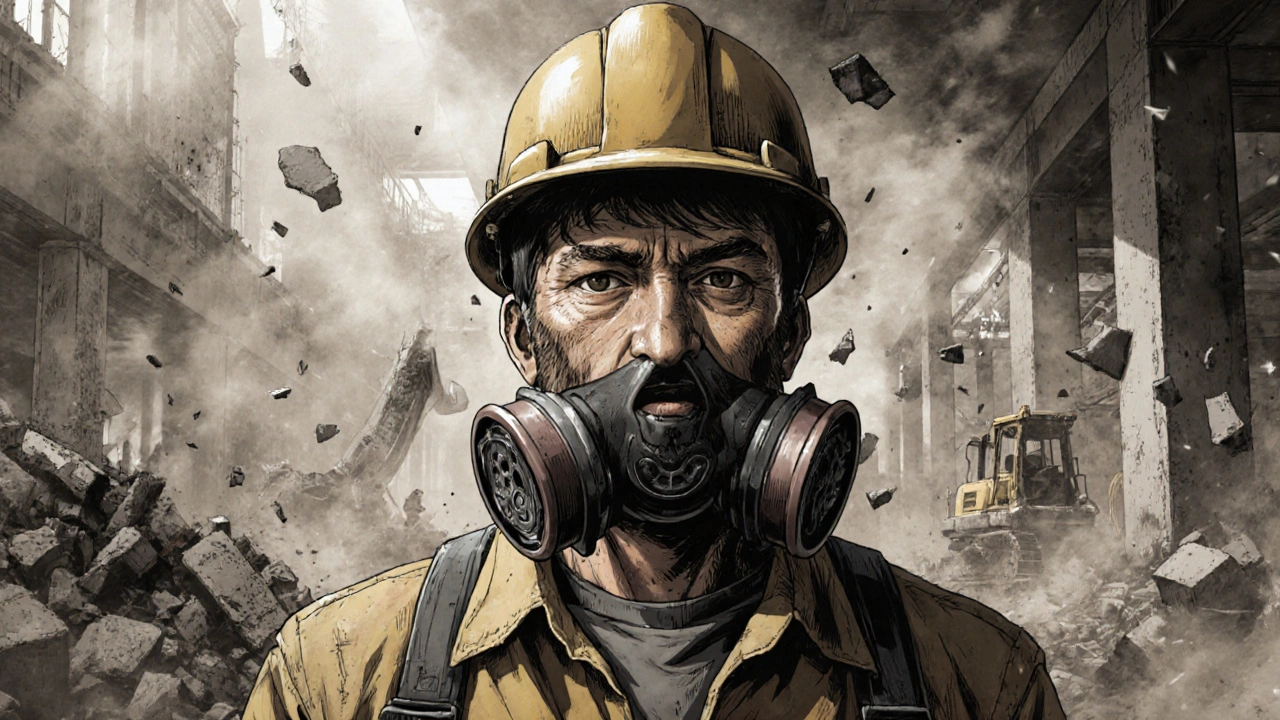
Occupational Lung Diseases: Silicosis, Asbestosis, and How to Prevent Them
Silicosis and asbestosis are deadly but preventable lung diseases caused by workplace dust and fibers. Learn how they develop, who’s at risk, and the proven steps to stop them before it’s too late.