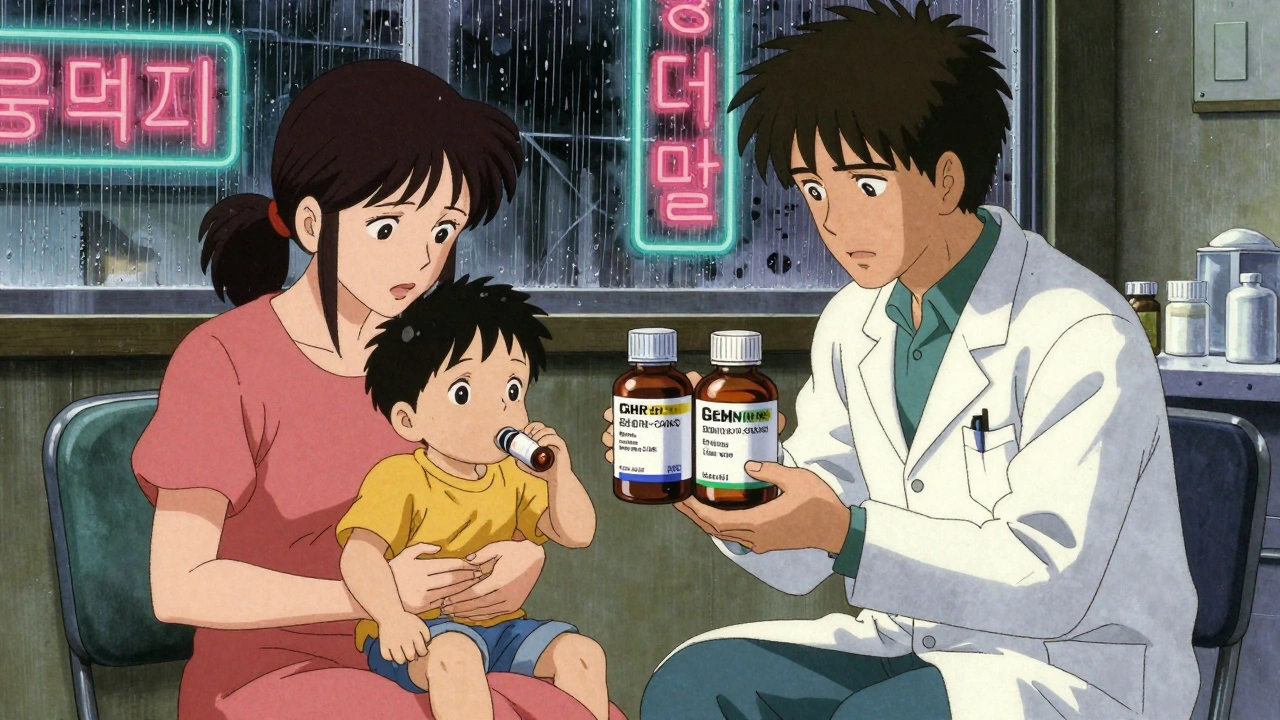
When a pharmacist hands you a pill that looks different from what you’ve been taking for years, it’s natural to wonder: Is this the same thing? For pediatric and senior patients, this question isn’t just about confusion-it can mean the difference between sticking with treatment and stopping it altogether. Generic drugs are not inferior. They’re required by the FDA to contain the same active ingredient, strength, and dosage form as the brand-name version. But that doesn’t mean they’re identical in every way-and that’s where communication breaks down.
Why Generic Substitution Feels Different, Even When It’s Not
Generic drugs are approved based on bioequivalence: they must deliver the same amount of active ingredient into the bloodstream within 80% to 125% of the brand-name drug’s rate. That sounds precise, but for some patients, even a 20% variation matters. Take epilepsy medications like phenytoin or carbamazepine. A 2017 Danish study found that switching between generic versions-even ones that met FDA standards-led to seizure relapses in some patients. Why? Because small differences in how the drug dissolves or is absorbed can tip the balance in people who need rock-solid, consistent levels. For children, the issue is often formulation. Brand-name pediatric medications are designed with kids in mind: sweetened liquids, chewable tablets, easy-to-swallow capsules. Generics? Many come as plain tablets or bitter suspensions. A 2020 FDA analysis showed only 32% of generic pediatric drugs are available in child-friendly forms, compared to 68% of brand-name versions. One parent on Reddit shared that their 2-year-old refused the generic amoxicillin suspension because it tasted “like metal,” while the brand version was tolerable. That’s not just preference-it’s adherence failure. For seniors, it’s about routine and perception. Many take four or more medications daily. When a blood pressure pill changes color, shape, or size three times in six months, it’s easy to think: “This isn’t the same.” A 78-year-old patient told an AARP forum they stopped taking their meds because they thought each new version was a different drug. The FDA found that 33% of seniors feel this way. Worse, 58% report new side effects after a switch-even when no pharmacological change occurred. This is the nocebo effect: expecting something to be worse makes you feel worse.What Pharmacists and Doctors Are Required to Do (And What They Often Skip)
Laws vary wildly by state. In 19 states, pharmacists must substitute generics automatically unless the doctor says “do not substitute.” In 7 states and Washington, D.C., they need your consent. In 31 states, they just have to notify you-sometimes with a tiny note on the label. That’s not enough. The FDA’s 2019 report on pediatric generics pointed out a major gap: if a drug wasn’t studied in children before losing its patent, it’s unlikely to ever be studied afterward. So a generic version of a drug prescribed for a 4-year-old with asthma might have been tested only in adults. Same for seniors. Only 22% of generics have geriatric-specific dosing info. Yet pharmacists are often expected to make substitutions without that data. And here’s the truth: most counseling happens in 30 seconds at the pickup window. “It’s the same thing,” the pharmacist says, handing over a new bottle. No explanation. No check-in. No chance to ask questions. That’s why 37% of patients stop taking their meds after a switch, according to a 2018 U.S. Pharmacist study.How to Talk to Parents About Generic Medications for Kids
Parents aren’t resistant because they’re skeptical of science. They’re worried because they’ve seen their child suffer. A 2020 Pediatrics study found 62% of parents hesitate to accept generics for their kids. Here’s how to address it:- Don’t say, “It’s the same.” Say, “This version has the same medicine inside, but the taste or texture is different. We’ve seen some kids have trouble with it.”
- Ask about past experiences. “Has your child ever refused a medicine because of how it tasted or looked?”
- Offer alternatives. If the generic liquid is too bitter, ask if the brand-name version is covered by insurance. If not, see if a different generic formulation exists-some come with flavor additives.
- Use the teach-back method. Ask the parent: “Can you tell me how you’ll give this to your child?” If they say, “I’ll mix it with juice,” warn them: some juices interfere with absorption. Show them the right way.
How to Talk to Seniors About Generic Medications
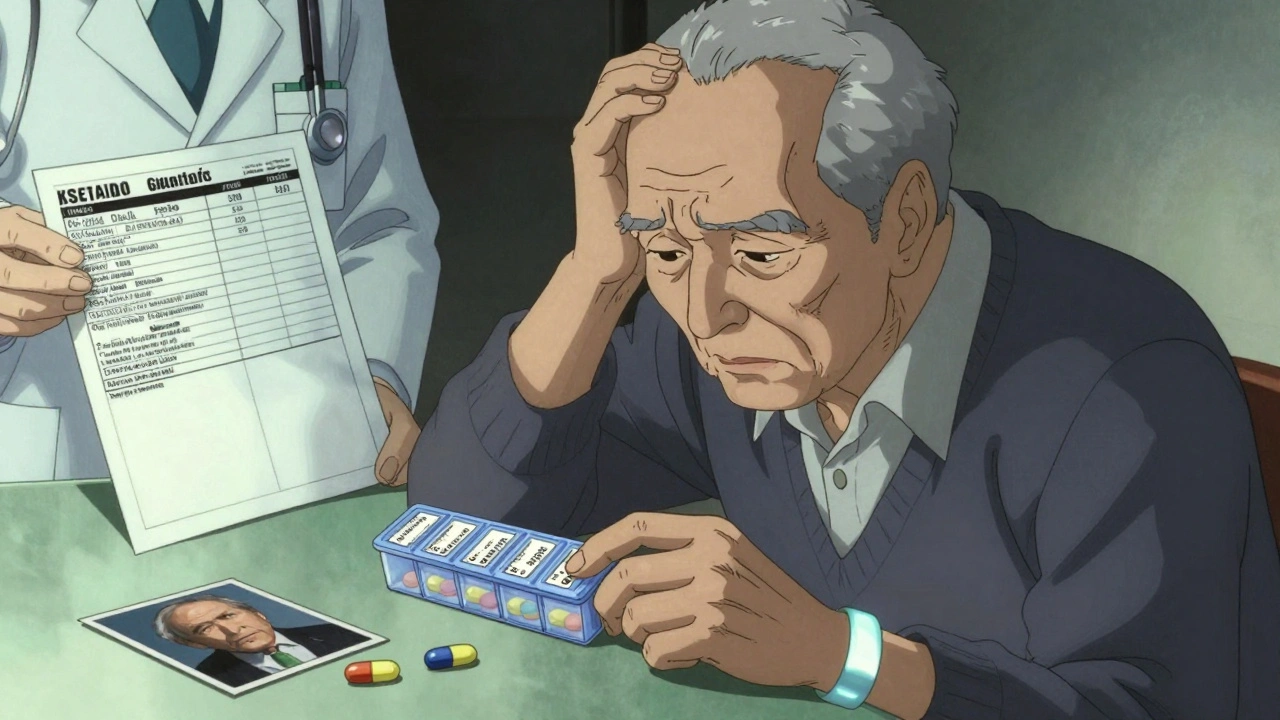
Seniors aren’t resistant because they don’t want to save money. They’re resistant because they’ve been burned by change. A 2021 CMS survey found 68% believe generics are “less effective.” Here’s how to fix that:- Start before the change. Don’t wait until they pick up a new bottle. If a switch is coming, call or send a note a few days ahead. “Your blood pressure pill will soon look different. Here’s what to expect.”
- Use visuals. Print a photo of the new pill next to the old one. Label the active ingredient: “Lisinopril 10 mg” in both. Show them it’s the same medicine, just a different shape.
- Involve caregivers. If the patient lives with a family member, include them in the conversation. They’re often the ones who help with pill boxes and refill reminders.
- Use large print and simple language. Avoid medical jargon. Say “the medicine that lowers your blood pressure” instead of “angiotensin-converting enzyme inhibitor.”
- Check in after the switch. Call them a week later. “How’s the new pill working for you?” This simple step reduces confusion and builds trust.
What Works: The Teach-Back Method
One of the most powerful tools in medicine isn’t a drug-it’s a conversation. The teach-back method means asking the patient to explain what they’ve been told in their own words. It’s not about testing them. It’s about making sure they understood. In a 2021 NIH study, using teach-back reduced medication errors by 29%. In seniors, a 2022 study in the Journal of the American Pharmacists Association found it improved adherence by 32%. For parents, it cuts down on panic calls to the doctor. Try this: After explaining the switch, say, “To make sure I explained it right, can you tell me how you’ll know this is the right medicine?” If they say, “It’s the blue pill,” you know they’re focused on appearance, not active ingredient. That’s your cue to clarify.Why Cost Isn’t Always the Answer
Generics save the U.S. healthcare system $373 billion a year. That’s huge. But for families and seniors, saving $10 on a pill doesn’t matter if the child won’t take it or the senior stops taking it because they’re scared. A 2021 FDA survey found 41% of parents and 33% of seniors would pay more to keep the same pill-same shape, same color, same taste. That’s not irrational. It’s about control, predictability, and peace of mind. For some drugs, like levothyroxine or warfarin, even tiny changes can cause problems. That’s why 28 states are now considering laws to block automatic substitution for these high-risk medications in kids and seniors.
What’s Changing in 2025
The FDA launched its Generic Drug Communications Initiative in 2023, requiring manufacturers to include clearer patient info about formulation differences. In January 2024, the American Society of Health-System Pharmacists updated their guidelines to demand population-specific counseling for pediatric and senior patients. New tools are helping too. A 2023 University of Florida study found that seniors who used a medication image recognition app-where they snap a photo of their pill and get instant info-reported 67% higher confidence in substitutions. The future isn’t about forcing generics. It’s about matching the right drug to the right patient-with clear, thoughtful communication at every step.What You Can Do Today
If you’re a parent or caregiver:- Ask the pharmacist: “Is this the same medicine as before? What’s different?”
- Keep a list of your child’s or loved one’s medications, including color, shape, and markings.
- If a new pill causes side effects or refusal, don’t assume it’s “all in the head.” Contact the doctor. It might be the formulation.
- Don’t assume everyone understands “bioequivalence.”
- Use teach-back. Every time.
- Keep photos of common pills on hand. Show, don’t just tell.
- When in doubt, delay the switch. Better to wait and explain than to lose trust.
Frequently Asked Questions
Are generic drugs really the same as brand-name drugs?
Yes, in terms of active ingredient, strength, and how the body absorbs it. The FDA requires generics to match brand-name drugs within 80% to 125% of absorption. But they can differ in inactive ingredients-like dyes, fillers, or flavors-which can affect taste, size, or how easily the pill dissolves. For most people, this doesn’t matter. For children and seniors, it sometimes does.
Why do generic pills look different?
By law, generics can’t look exactly like brand-name drugs because of trademark rules. So they use different colors, shapes, or markings. This is why a pill might change appearance even when the medicine inside hasn’t. It’s not a mistake-it’s legal. But it can confuse patients, especially seniors who rely on visual cues to manage multiple medications.
Can switching to a generic cause side effects?
Not because the medicine is weaker-but sometimes because the body reacts to new inactive ingredients, or because the patient expects it to cause problems. This is called the nocebo effect. In seniors, 58% report new side effects after a switch, even when no real change occurred. For kids, a bad taste can lead to refusal, which looks like a side effect but is really an adherence issue.
Should I always choose the brand-name drug for my child or elderly parent?
Not always. Generics are safe and effective for most people. But if your child refuses the generic because of taste, or your parent gets confused by changing pill shapes, it’s worth asking your doctor if the brand-name version is covered by insurance or if a different generic formulation exists. Cost savings shouldn’t come at the cost of adherence.
What should I do if my medication keeps changing?
Keep a written list of your medications, including the name, dose, color, shape, and imprint (letters/numbers on the pill). When you get a new bottle, compare it to your list. If it looks different and you’re unsure, call your pharmacist or doctor before taking it. Don’t assume it’s the same. Ask: “Is this a different generic version?”

Max Manoles
Great breakdown. I work in a community pharmacy, and I’ve seen this exact scenario play out-especially with elderly patients who’ve been on the same lisinopril tablet for 12 years. The color change from peach to white? They think it’s a different drug. We started printing a small card with a photo of the old vs. new pill, same active ingredient highlighted. Adherence jumped 40% in three months. Teach-back is non-negotiable. Just saying ‘it’s the same’ is lazy.
Katie O'Connell
One must acknowledge the systemic failure here: the FDA’s bioequivalence standard was designed for healthy adults, not pediatric populations with developing metabolic pathways or geriatric patients with altered pharmacokinetics. The regulatory framework is archaic, and the commercial imperative to maximize generic market share has overridden clinical nuance. This is not merely a communication issue-it is an epistemological crisis in pharmaceutical policy.
Ashish Vazirani
This is why India should NEVER import American generics!!! They’re all fake!! The FDA is corrupt!! They let Chinese factories make pills with chalk and sugar!! My cousin’s son had seizures after switching!!
Arjun Deva
Who’s really paying for these ‘cost savings’? Big Pharma owns the generics too, you know. The same companies that make brand-name drugs just slap a new label on it. And the pharmacists? They’re paid by the pill, not the patient. You think they care if your grandma stops taking her meds? They’re just scanning barcodes and collecting their bonus.
Inna Borovik
Let’s be real: 68% of seniors think generics are ‘less effective’ because they’re right. The 80–125% bioequivalence window isn’t science-it’s a loophole. For drugs with narrow therapeutic indices-warfarin, levothyroxine, phenytoin-that’s a death sentence waiting to happen. And no, ‘teach-back’ doesn’t fix the fact that the FDA doesn’t require pediatric or geriatric bioequivalence studies. This is institutional negligence dressed up as ‘patient education.’
Jackie Petersen
My mom switched to a generic thyroid med and started having panic attacks. She swore it was ‘the new pill.’ Turns out, the filler was lactose-and she’s mildly intolerant. The pharmacist didn’t ask. The doctor didn’t check. Now she pays $15 extra for the brand because she won’t risk it. And yes, I’m mad. This isn’t about money. It’s about being treated like a number.
Annie Gardiner
What if the real problem isn’t the pill… but the fact that we’ve outsourced trust? We used to know our pharmacist. Now we get a 30-second transaction at a drive-thru pharmacy owned by a hedge fund. Maybe the answer isn’t better pamphlets-it’s bringing back the human connection. The pill’s the same, but the care isn’t. And that’s what people are grieving.
Rashmi Gupta
They say ‘it’s the same medicine’ but never explain why the pill looks like a tiny alien artifact now. My aunt took her blood pressure med for 8 years. Then it turned from green to yellow with a weird ‘M’ on it. She stopped for 3 weeks because she thought it was a new disease. No one called. No one asked. She’s lucky she didn’t have a stroke.
Kumar Shubhranshu
Just ask the patient what they remember. If they say 'blue pill', show them the new one. Done.