
That sharp, throbbing pain in your ear after a day at the pool is more than just an annoyance-it’s a signal that something has gone wrong in your outer ear canal. You might be dealing with Otitis Externa, commonly known as swimmer's ear. This condition affects roughly one in ten Americans every year, turning a relaxing swim into a painful ordeal. But here is the good news: it is highly treatable, often resolving completely within a week if you use the right drops and follow proper hygiene.
Unlike a middle ear infection (otitis media), which happens behind the eardrum and often follows a cold, swimmer’s ear is an infection of the skin lining the external auditory canal. It thrives in warm, moist environments. Whether you are a competitive swimmer, a parent managing kids’ summer activities, or someone who simply loves hot tubs, understanding what causes this infection and which treatments actually work can save you from unnecessary pain and expensive doctor visits.
Why Does Swimmer’s Ear Happen?
Your ear canal is designed to protect itself. It produces cerumen (earwax) and maintains a slightly acidic pH level between 5.0 and 5.7. This acidic environment naturally inhibits the growth of bacteria and fungi. However, when water gets trapped in the ear for too long, it washes away this protective wax and neutralizes the acidity. This creates a perfect breeding ground for microbes.
The primary culprits behind these infections are specific types of bacteria. According to data from the National Institutes of Health (NIH), Pseudomonas aeruginosa is responsible for 35% to 54% of cases. This bacterium loves moisture and is commonly found in pools and lakes. Another major player is Staphylococcus aureus, causing 20% to 30% of infections. Less common but still significant are Proteus vulgaris and Escherichia coli.
In about 10% of cases, the problem isn’t bacteria but fungus. These fungal infections, known as otomycosis, are usually caused by Aspergillus species (80-90% of fungal cases) or Candida species. If you’ve been using antibiotic drops without improvement, a fungal infection might be the hidden cause.
Beyond swimming, several other factors increase your risk:
- Q-tips and scratching: Inserting cotton swabs, fingers, or hairpins into the ear can create tiny abrasions in the delicate skin of the ear canal, allowing bacteria to enter.
- Narrow ear canals: Children often have narrower canals that trap water more easily, making them more susceptible.
- Skin conditions: Eczema or psoriasis can compromise the skin barrier, making it easier for infections to take hold.
- Diabetes: People with diabetes are at higher risk for severe complications, including malignant otitis externa, a rare but serious infection that spreads to the bone.
Recognizing the Symptoms Early
Catching swimmer’s ear early makes treatment much simpler. The severity of the infection generally falls into three categories based on symptoms and physical signs observed by healthcare providers.
Mild cases account for about 45% of diagnoses. You will likely experience itching (pruritus) inside the ear and mild discomfort. There may be slight swelling (edema) in the ear canal, but it doesn’t block hearing significantly. A few drops of fluid might leak out.
Moderate cases affect around 35% of patients. The pain becomes more noticeable, especially when you pull on your outer earlobe or push on the tragus (the small bump in front of the ear canal). The swelling increases, partially blocking the ear canal, which can lead to temporary muffled hearing.
Severe cases occur in about 20% of instances. Here, the ear canal may become completely blocked due to intense swelling. The pain is often severe and can radiate to the jaw or neck. You might develop swollen lymph nodes around the ear and even a fever above 101°F (38.3°C). If you have these symptoms, see a doctor immediately.

Which Ear Drops Actually Work?
Not all ear drops are created equal. The effectiveness of a drop depends entirely on whether your infection is bacterial, fungal, or mild inflammation. Choosing the wrong type can delay healing or make things worse.
| Treatment Type | Active Ingredients | Efficacy Rate | Best For | Average Cost (USD) |
|---|---|---|---|---|
| Acidifying Drops | 2% Acetic Acid + Hydrocortisone | 85% (Mild Cases) | Mild bacterial infections & prevention | $15 - $25 |
| Antibiotic-Steroid Combo | Ciprofloxacin + Dexamethasone (Ciprodex) | 92% (Moderate-Severe) | Moderate to severe bacterial infections | $147.50 (Brand) |
| Generic Fluoroquinolone | Ofloxacin | 90%+ | Bacterial infections (cost-effective alternative) | $45 - $60 |
| Antifungal Drops | Clotrimazole 1% | 93% (Fungal Cases) | Otomycosis (Fungal infections) | $30 - $50 |
Acetic Acid Solutions: Over-the-counter options like Swim-Ear contain acetic acid, which restores the ear’s natural acidity. Combined with hydrocortisone to reduce inflammation, these drops achieve an 85% success rate in mild cases. They are also excellent for prevention; using them after swimming reduces recurrence risk by 65%. However, they sting upon application and are ineffective against established fungal infections.
Fluoroquinolone Antibiotics: Prescription drops like Ciprodex (ciprofloxacin and dexamethasone) are the gold standard for moderate to severe bacterial infections. Clinical trials show a 92% resolution rate within seven days. The steroid component quickly reduces swelling and pain, while the antibiotic kills the bacteria. Generic versions like ofloxacin offer similar efficacy at a lower cost, making them a smart choice for budget-conscious patients.
Aminoglycoside Drops: Older formulations containing neomycin or polymyxin are less effective (80-85% efficacy) and carry a higher risk of contact dermatitis (allergic reaction) in 5-7% of users. More importantly, they can be ototoxic (damaging to hearing) if the eardrum is perforated. Doctors generally avoid these unless necessary.
Antifungal Drops: If antibiotics don’t work, suspect fungus. Clotrimazole solution is highly effective (93% efficacy) against Aspergillus and Candida. Using antibacterial drops on a fungal infection can sometimes worsen it by killing off competing bacteria, allowing the fungus to thrive.
How to Apply Ear Drops Correctly
Even the best medication fails if applied incorrectly. Studies show that 32% of users apply drops improperly, reducing efficacy by up to 40%. Follow these steps to ensure the medicine reaches the infected area.
- Warm the bottle: Cold drops can cause vertigo and dizziness. Hold the bottle in your hands for 1-2 minutes to bring it to body temperature.
- Clean the outer ear: Gently wipe the outside of the ear with a dry cloth. Do not insert anything into the canal.
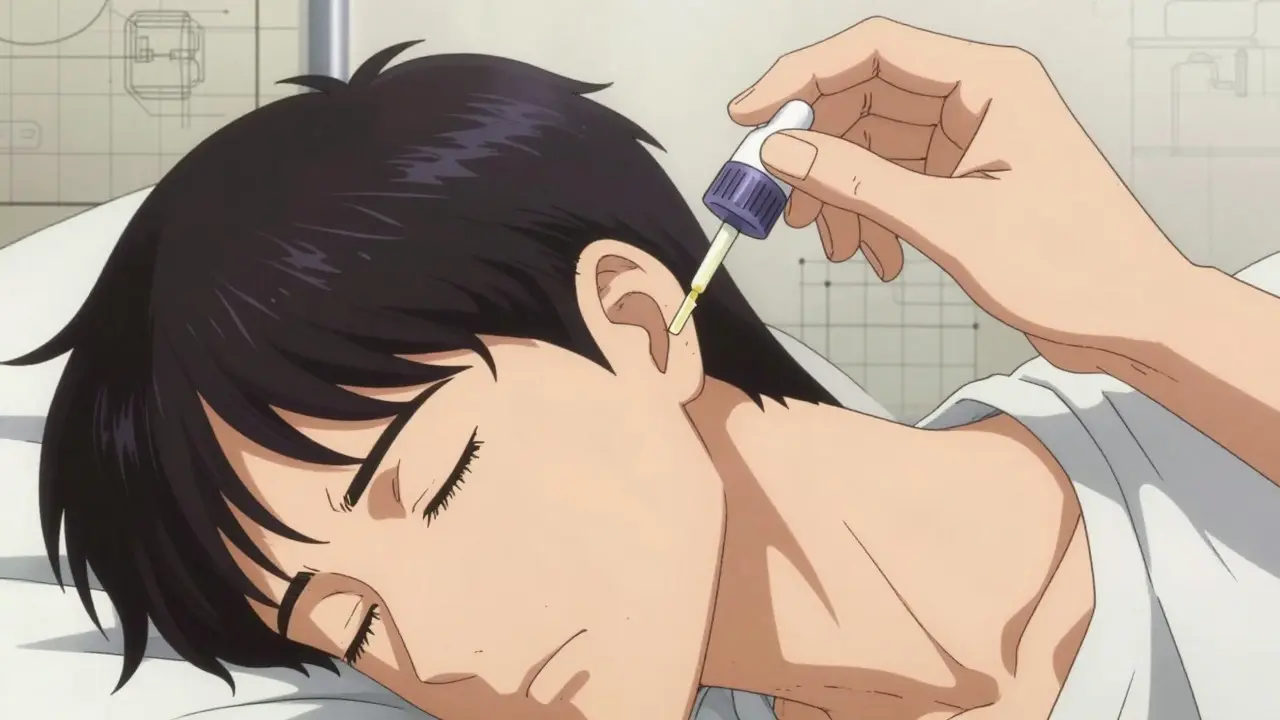
- Position yourself: Lie down on your side with the affected ear facing up. If you have both ears infected, treat one side at a time.
- Instill the drops: Pull the outer ear upward and backward (for adults) to straighten the canal. Squeeze the prescribed number of drops into the ear.
- Hold the position: Stay lying down for 5 minutes. This allows the drops to penetrate deep into the canal. You can place a clean cotton ball loosely in the outer ear to catch any overflow, but do not pack it tight.
- Repeat: Follow the frequency instructions on the label (usually 2-3 times daily).
If your ear canal is severely swollen, the drops may not reach the infection. In these cases, a doctor may insert an ear wick. This small sponge-like tube expands when it absorbs the drops, delivering medication directly to the inflamed tissue. While uncomfortable for some, it is crucial for treating occluded canals.
Prevention Tips for Swimmers
Preventing swimmer’s ear is far easier than treating it. The goal is to keep the ear canal dry and maintain its natural acidic barrier.
- Dry your ears thoroughly: After swimming, tilt your head to each side to let water drain out. Use a hairdryer on the lowest setting, held at least a foot away from your ear, to evaporate remaining moisture.
- Use preventive drops: Mix equal parts white vinegar and rubbing alcohol. Put a few drops in each ear after swimming. The alcohol helps evaporate water, while the vinegar restores acidity. Note: Do not use this if you have tubes in your ears or a perforated eardrum.
- Wear earplugs: Silicone or custom-molded earplugs provide a physical barrier against water entry during prolonged swimming sessions.
- Avoid Q-tips: Never insert cotton swabs into your ear canal. They push wax deeper and scratch the skin, removing the protective barrier.
When to See a Doctor
While many mild cases resolve with over-the-counter drops, certain situations require professional medical attention. Consult a healthcare provider if:
- Pain persists or worsens after 48 hours of home treatment.
- You experience hearing loss or drainage from the ear.
- You have a fever over 101°F (38.3°C).
- You have diabetes or a weakened immune system.
- You suspect a fungal infection (itching dominates over pain, and antibiotic drops haven’t helped).
Doctors can perform debridement-cleaning out debris and pus from the ear canal under visualization. This step alone can improve drop efficacy by 30-40%, according to NIH guidelines. It ensures the medication contacts the infected tissue directly.
How long does swimmer’s ear last?
With proper treatment, most cases of acute swimmer’s ear resolve within 7 to 10 days. Mild cases treated with acetic acid drops may improve in 3 to 5 days. Severe cases requiring prescription antibiotic-steroid combinations typically show significant improvement within 48 hours, with full resolution in a week.
Can swimmer’s ear go away on its own?
In very mild cases, the body’s natural defenses might clear the infection if the ear stays dry. However, because the ear canal is a confined space, untreated infections often worsen, leading to increased pain and swelling. Treating it early with appropriate drops prevents complications and speeds up recovery.
Is hydrogen peroxide good for swimmer’s ear?
Hydrogen peroxide can help soften earwax and clean the outer ear, but it is not a primary treatment for active infection. It may irritate inflamed skin. Acidifying solutions (acetic acid) or prescribed antibiotic drops are more effective for treating the infection itself.
What is the difference between swimmer’s ear and a middle ear infection?
Swimmer’s ear (otitis externa) infects the outer ear canal, often caused by water exposure. Pain worsens when pulling on the outer ear. Middle ear infections (otitis media) occur behind the eardrum, usually following a cold or flu. They often involve fever and do not hurt when touching the outer ear.
Are generic ear drops as effective as brand-name ones?
Yes, generic versions of fluoroquinolone antibiotics like ofloxacin are equally effective as brand-name drugs like Ciprodex. They contain the same active ingredients and meet FDA standards for safety and efficacy, often at a fraction of the cost.
