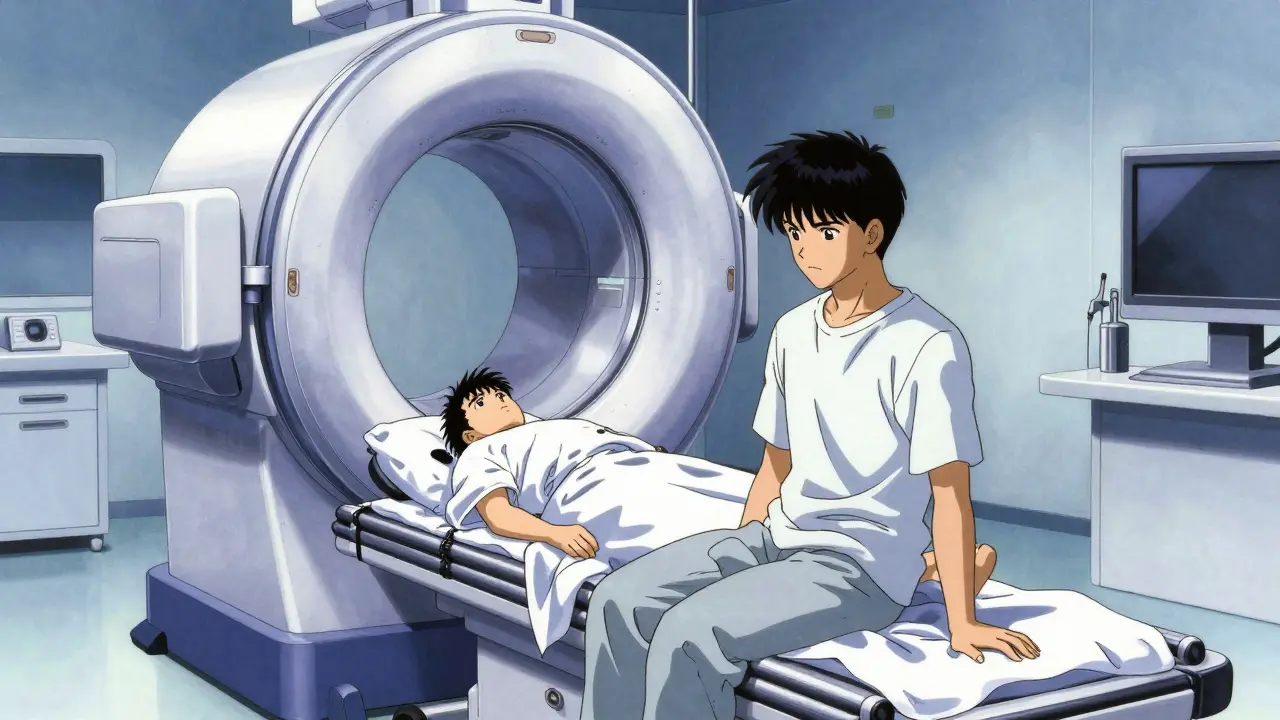
Starting radiation therapy is a huge step in your cancer journey, but it often comes with a physical price tag. You might be worried about how you will look or feel during treatment. The reality is that most people dealing with radiation therapy face two main hurdles: changes to their skin and a deep, persistent tiredness. These aren't just minor annoyances; they are predictable physiological responses to ionizing radiation.
About 95% of patients receiving external beam radiation experience some form of skin reaction, while between 75% and 95% deal with significant fatigue. Knowing what to expect-and having a concrete plan to manage these symptoms-can make the difference between struggling through treatment and maintaining your quality of life. This guide breaks down exactly what happens to your body, why it happens, and the evidence-based strategies that actually work to help you recover.
Understanding Radiation Side Effects: Acute vs. Late
Not all side effects appear at the same time, and understanding this timeline helps you prepare mentally and physically. Medical experts classify these reactions into three categories based on when they show up.
Acute effects happen quickly, usually within hours to weeks of starting treatment. These affect cells that divide rapidly, like those in your skin and mucous membranes. You will likely notice these first signs around week two or three. Consequential effects occur if acute complications aren't treated properly, leading to longer-term issues. Finally, late effects can emerge months or even years after treatment ends, affecting slower-growing tissues in organs like the heart, liver, or lungs.
The goal of modern radiation oncology is to maximize tumor control while minimizing these toxicities. Guidelines from the QUANTEC project (Quantitative Analysis of Normal Tissue Effects in the Clinic) provide specific dose limits to protect healthy tissue. For instance, keeping skin doses below 45 Gray (Gy) significantly drops the risk of severe skin damage from 40% to just 15%. Understanding that your care team is actively working to limit these exposures can provide some peace of mind.
Radiation Skin Care: Managing Dermatitis Step-by-Step
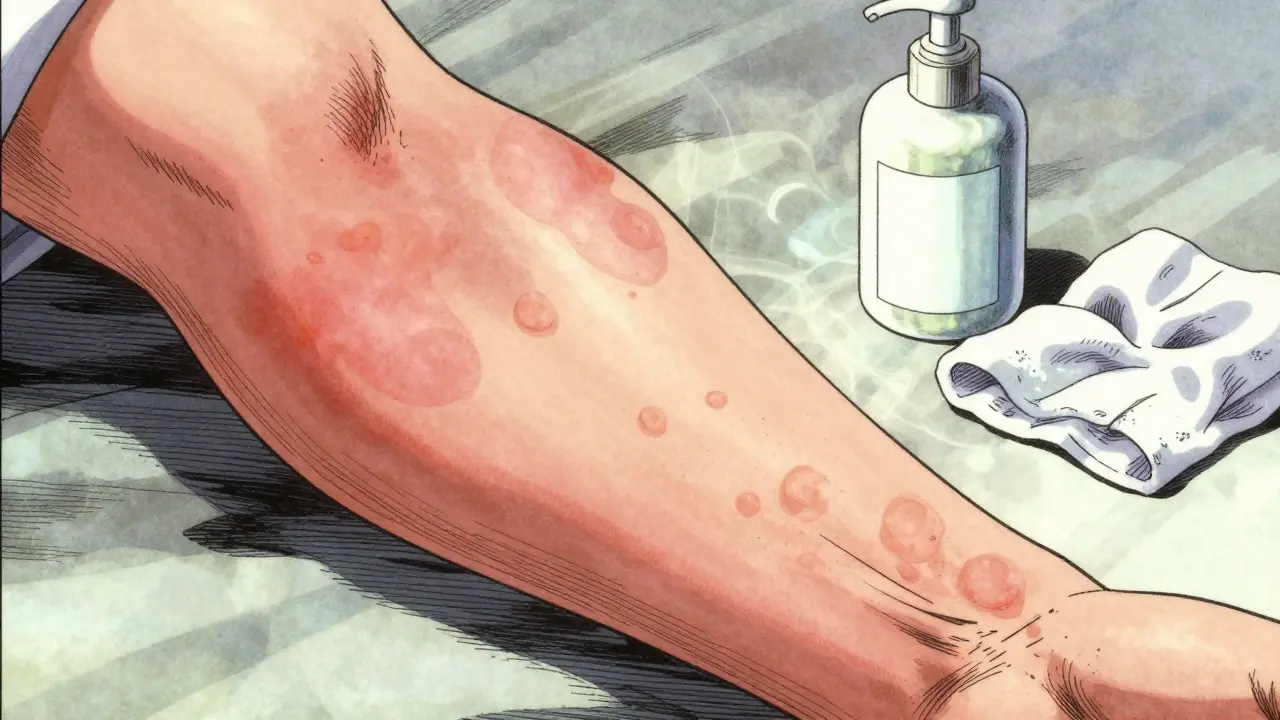
Skin reactions, known medically as radiation dermatitis, follow a predictable path. It rarely happens overnight. Here is what typically unfolds:
- Days 7-10: You may notice mild redness (erythema), similar to a light sunburn.
- Weeks 2-3: Dry desquamation sets in. Your skin becomes dry, flaky, and itchy.
- Weeks 4-6: In more severe cases, moist desquamation occurs. The skin blisters, weeps fluid, and feels raw. This affects about 20-30% of head and neck patients and 15-25% of breast cancer patients.
The key to managing this is a proactive approach, not a reactive one. Don’t wait for the pain to start before caring for your skin.
Daily Skin Care Routine
Your daily routine should be gentle and consistent. Wash the treated area twice daily with lukewarm water and a pH-balanced, fragrance-free cleanser like Cetaphil. Avoid hot water, which can strip natural oils and worsen irritation. After bathing, pat the skin dry gently-do not rub-and apply a fragrance-free moisturizer containing ceramides within three minutes. This locks in moisture when your skin is most absorbent.
If you develop moist desquamation, standard creams won't cut it. Clinical guidelines recommend hydrogel dressings for these open wounds. Studies show these dressings reduce healing time by 32% compared to standard care. For grade 2 reactions (moderate redness and peeling), topical silver sulfadiazine is often endorsed. Always consult your radiation nurse before applying any new product, as some ingredients can interfere with the radiation beam.
What to Avoid
Protecting your skin means avoiding irritants. Skip deodorants, perfumes, and harsh soaps on the treated area. Do not shave the area manually; use an electric razor if necessary, or ask your doctor for advice. Wear loose, soft cotton clothing to prevent friction. Tight synthetic fabrics can trap heat and sweat, worsening the inflammation.
Managing Cancer-Related Fatigue
If skin changes are visible, fatigue is invisible-but no less exhausting. Cancer-related fatigue (CRF) is different from everyday tiredness. It is a persistent sense of exhaustion that rest does not fix. About 78% of radiation patients report significant fatigue, which typically starts in week two or three and peaks around week five or six.
A common misconception is that fatigue stays constant. In reality, it is cumulative. As Dr. Sue Yom, former ASTRO President, notes, many patients underestimate this buildup, expecting symptoms to remain stable when they actually intensify as treatment progresses. Whole-brain radiation causes the most severe fatigue, with 45% of patients experiencing grade 3-4 symptoms (requiring medical intervention), compared to 25% for localized treatments.
The Exercise Paradox
It sounds counterintuitive, but pushing yourself to move is one of the most effective ways to fight fatigue. Randomized controlled trials have shown that structured exercise reduces fatigue severity by 25-30%. The National Cancer Institute recommends moderate exercise, defined as 30 minutes of walking at a brisk pace (3.0-3.5 metabolic equivalents), five days a week.
You don’t need to run a marathon. A daily 30-minute walk or light resistance training twice a week can maintain your energy levels. One case study from MD Anderson highlighted a breast cancer patient who maintained near-normal energy by sticking to this routine, resulting in a fatigue score 22 points lower than matched controls who remained sedentary.
Sleep Hygiene Protocols
How you sleep matters as much as how much you sleep. Poor sleep hygiene worsens CRF. Stick to a consistent sleep-wake schedule, varying by no more than 30 minutes on weekends. Limit daytime naps to 20-30 minutes; longer naps can disrupt your nighttime circadian rhythm, leaving you feeling groggy rather than rested. Create a dark, cool environment and avoid screens an hour before bed.
| Treatment Area | Severe Skin Reaction Risk | Fatigue Severity (PROMIS Score) | Key Considerations |
|---|---|---|---|
| Head & Neck | High (35-45%) | Moderate-High (62.1) | Higher risk of moist desquamation; salivary gland impact |
| Breast/Chest | Moderate (15-25%) | Moderate (59.8) | Skin folds prone to irritation; arm mobility exercises needed |
| Pelvis/Abdomen | Low-Moderate | High (65.2) | Most severe fatigue due to large treatment volume; bowel/bladder effects |
| Prostate | Low (5-10%) | Low-Moderate | Less skin toxicity; focus on urinary/bowel management |
Recovery Timelines and Long-Term Outlook
Once treatment ends, the relief isn't instantaneous. Acute skin reactions typically resolve within 2-4 weeks post-treatment. However, late effects require patience. Permanent hair loss occurs in 100% of patients receiving over 70 Gy to the scalp, though 50% regrowth usually happens by 2-3 months for lower doses. Telangiectasias (visible broken blood vessels) may appear in 30-50% of patients five years later, along with potential skin thinning (atrophy) or hardening (fibrosis).
Fatigue also lingers. While the peak intensity drops off shortly after treatment, many patients experience a gradual return to baseline energy over 3-6 months. Some may struggle with residual fatigue for up to a year. This is normal, but it shouldn't be ignored. If fatigue persists beyond six months, discuss it with your oncologist. Medications like modafinil have helped some patients drop their fatigue scores significantly, as seen in anecdotal reports from support forums.

Advanced Technologies and Future Hope
We are living in an era where technology is reducing these side effects. Modern techniques like Intensity-Modulated Radiation Therapy (IMRT) and proton therapy offer precision that older methods lacked. The PARTIQoL trial showed that advanced techniques can reduce skin toxicity by 25-40% compared to conventional 3D conformal radiation. Proton therapy, in particular, spares healthy tissue by depositing less exit dose, though access remains limited with only 42 centers in the U.S. as of early 2023.
Personalized medicine is also emerging. The NCI-funded REQUITE project has identified genetic markers linked to severe skin reactions. Soon, your DNA profile might dictate your skin care protocol, allowing doctors to intervene earlier for high-risk patients. Additionally, digital therapeutics like the FDA-cleared 'Vitality' app are showing promise, with trials indicating a 28% reduction in fatigue severity through cognitive behavioral techniques delivered via smartphone.
Practical Tips for Daily Life
Navigating radiation therapy requires small adjustments to your daily routine. Here are actionable steps to help you cope:
- Hydrate aggressively: Drink at least 8-10 glasses of water daily to help your body flush out toxins and keep skin hydrated from the inside.
- Eat nutrient-dense foods: Focus on lean proteins, fruits, and vegetables to support tissue repair. Avoid spicy or acidic foods if you have mouth sores.
- Use barrier films: Products like Cavilon No Sting Barrier Film can protect skin from friction and moisture, preventing moist desquamation in high-risk areas like skin folds.
- Track your symptoms: Use a journal or app to log fatigue levels and skin changes. This data helps your care team adjust treatments proactively.
- Seek support: Join online communities like Reddit’s r/cancer or CancerCare forums. Hearing others’ experiences, such as how barrier films saved their skin or how walking reduced their fatigue, provides practical tips and emotional validation.
How long does radiation skin rash last?
Acute radiation skin reactions, such as redness and dry peeling, typically begin 2-3 weeks into treatment and resolve within 2-4 weeks after your final session. More severe reactions like moist desquamation may take longer to heal, especially if infected. Late effects like skin thickening or discoloration can persist for months or years but usually stabilize.
Does radiation fatigue go away completely?
For most patients, radiation fatigue improves significantly within 3-6 months after treatment ends. However, some individuals experience lingering fatigue for up to a year or more. Engaging in regular moderate exercise, maintaining good sleep hygiene, and managing stress can accelerate recovery. If fatigue persists beyond six months, consult your doctor to rule out other causes like anemia or thyroid issues.
What lotion is best for radiation burns?
Avoid lotions with alcohol, fragrances, or heavy metals. Dermatologists and radiation oncologists recommend fragrance-free, hypoallergenic moisturizers containing ceramides or hyaluronic acid, such as Cetaphil or Aquaphor. For open wounds or moist desquamation, hydrogel dressings or specialized products like RadiaPlex Rx are clinically proven to aid healing. Always check with your care team before applying any product.
Can I shower during radiation therapy?
Yes, you can and should shower daily to keep the skin clean and prevent infection. Use lukewarm water (not hot) and a mild, fragrance-free soap. Gently pat the skin dry; do not rub. Apply moisturizer immediately after drying. Avoid scrubbing the treated area or using loofahs, which can cause micro-tears in sensitive skin.
How does proton therapy compare to traditional radiation regarding side effects?
Proton therapy uses protons instead of X-rays, allowing for more precise targeting of tumors with less exposure to surrounding healthy tissue. This can reduce skin toxicity by 25-40% and lower the risk of late-side effects in nearby organs. However, it is more expensive and less widely available than photon-based IMRT. It is particularly beneficial for pediatric cancers and tumors near critical structures like the brain or spinal cord.
