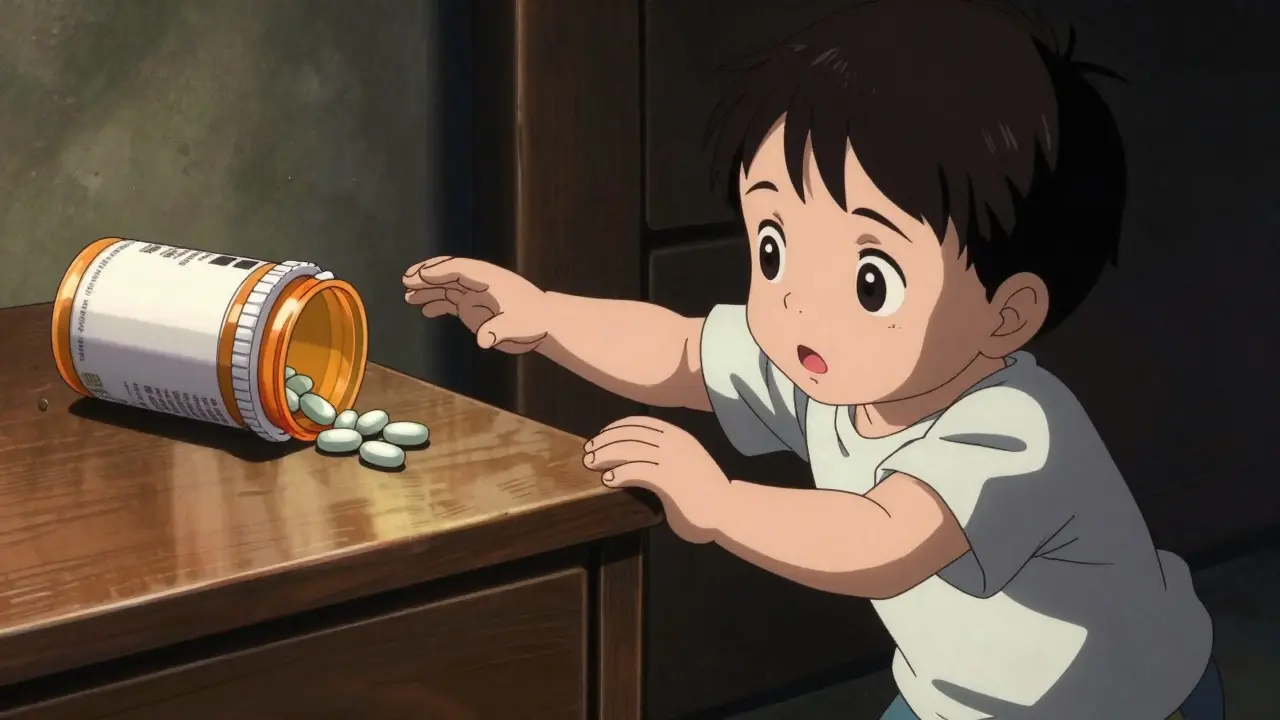
Imagine finding a bottle of prescription pills on your nightstand. Now imagine your curious toddler or a well-meaning but uninformed teenager reaching for them. It’s a scenario that plays out in thousands of homes every year, often with devastating consequences. Storing high-risk medications isn’t just about organization; it’s a critical safety measure that can save lives. Whether you are managing pain with opioids, treating anxiety with benzodiazepines, or handling other controlled substances, the way you store these drugs determines who has access to them.
The stakes are high. According to data from the Centers for Disease Control and Prevention (CDC), drug overdoses have become a leading cause of death, with tens of thousands of fatalities annually linked to prescription opioids alone. But beyond the tragic statistics, there is a more immediate danger: accidental ingestion by children. The American Association of Poison Control Centers reports roughly 60,000 emergency room visits each year due to pediatric poisonings involving medications. Most of these incidents happen not because parents were negligent, but because safe storage practices weren't in place. This guide will walk you through exactly how to secure your medications, reduce the risk of diversion, and protect your household.
Identifying High-Risk Medications
Before you can secure your medications, you need to know which ones require extra attention. Not all pills pose the same level of risk. High-risk medications typically include drugs with a high potential for abuse, addiction, or fatal overdose if misused. These generally fall into a few specific categories:
- Opioids: Painkillers like oxycodone, hydrocodone, morphine, fentanyl patches, and tramadol. These are the most commonly diverted medications and carry a significant risk of respiratory depression and death.
- Benzodiazepines: Anti-anxiety and sleep aids such as Xanax (alprazolam), Valium (diazepam), and Klonopin (clonazepam). When mixed with opioids or alcohol, they drastically increase overdose risk.
- Stimulants: ADHD medications like Adderall (amphetamine/dextroamphetamine) and Ritalin (methylphenidate). These are frequently stolen by teens and young adults for cognitive enhancement or recreational use.
- Sedatives and Sleep Aids: Drugs like Ambien (zolpidem) can cause dangerous behaviors when taken in higher doses than prescribed.
If your medication requires a special prescription label indicating it is a "Controlled Substance" (often marked as C-II, C-III, etc.), it belongs in a locked container. If you are unsure, check with your pharmacist. They can tell you immediately if your specific drug poses a diversion risk.
The Golden Rules of Secure Storage
You might think that hiding pills in a drawer is enough, but research shows this is ineffective. Children are surprisingly adept at finding hidden items, and guests or family members may not respect "hidden" boundaries. To truly reduce risk, you must follow three core principles: Lock it, Hide it, and Track it.
1. Use a Locked Container
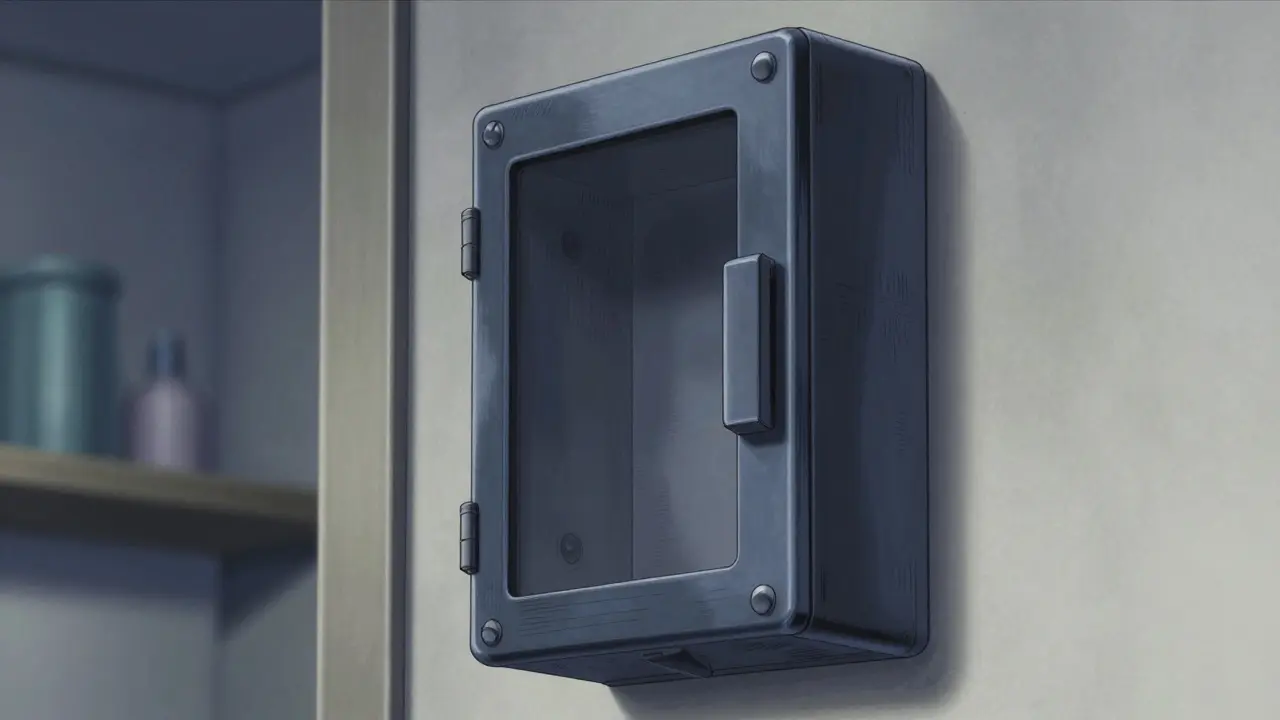
This is non-negotiable. The gold standard for home storage is a dedicated lockbox. Medication lockboxes are secure containers designed to prevent unauthorized access to prescription drugs. Look for boxes that meet ANSI Grade 2 security standards, which means they can withstand forced entry attempts for at least 10 minutes. You don't need a bank vault; a sturdy, wall-mounted or screw-down box costs between $15 and $50 and provides immense peace of mind. Avoid cheap plastic boxes that can be popped open with a butter knife.
2. Keep Original Packaging
Never transfer your medications into generic pill organizers or ziplock bags for long-term storage. The original bottle contains crucial information: the drug name, dosage, expiration date, and your name. More importantly, these bottles come with Child-resistant caps mandated by the Poison Prevention Packaging Act. Studies show that keeping meds in their original containers reduces accidental ingestions by 40%. If you use a weekly pill organizer for convenience, refill it only for the day's dose, and keep the rest in the locked box.
3. Elevate and Conceal
Location matters. The CDC recommends storing medications at least 4 feet off the ground. Why? Because most toddlers can reach up to 36 inches. Additionally, avoid obvious spots like bathroom medicine cabinets or kitchen drawers. Choose a location that is dry, cool, and out of sight. A locked box inside a high closet or behind a door works best. Ensure the temperature stays between 68-77°F (20-25°C) to maintain drug efficacy, avoiding bathrooms where humidity fluctuates wildly.
| Storage Method | Security Level | Child Resistance | Best For |
|---|---|---|---|
| Original Bottle Only | Low | Moderate (Cap only) | Short-term daily access |
| Hidden Drawer/Cabinet | Very Low | Poor | Not recommended for high-risk meds |
| Basic Lockbox ($15-$30) | High | Excellent | Most households with children/guests |
| Biometric Smart Box ($100+) | Very High | Excellent | Users with dexterity issues or tech-savvy families |
Overcoming Accessibility Challenges
A common complaint we hear is, "I have arthritis or limited mobility, and I can't manage child-proof caps or complex locks." Safety should never mean sacrificing independence. Fortunately, there are adaptive solutions. Look for lockboxes with Emergency release mechanisms or simple 4-digit combination locks rather than small keys. Some smart dispensers, like the MedMinder system, offer voice prompts and large buttons, though they come at a higher price point ($99-$149). If cost is a barrier, many pharmacies and community health centers offer free or low-cost lockboxes. Ask your pharmacist-they often have resources specifically for patients struggling with accessibility.
Tracking and Accountability
Physical security is only half the battle. You also need to monitor usage. Diversion-when someone else takes your medication-is a major contributor to the overdose crisis. In fact, nearly half of non-medical opioid users obtain drugs from friends or family members' unsecured supplies. To prevent this:
- Keep a Log: Maintain a simple daily log of pill counts. Note how many tablets remain at a specific time (e.g., "42 tablets remaining at 8:00 AM"). This helps you spot discrepancies early.
- Regular Audits: Once a week, count your supply against your prescription schedule. If you are missing pills, investigate immediately. Was it a dosing error? Or did someone else take them?
- Dispose of Leftovers: Never hoard unused medications. The DEA hosts National Prescription Drug Take Back Days twice a year, and many local police stations or pharmacies have permanent drop-boxes. Proper disposal prevents old bottles from becoming hazards later.
What to Do in an Emergency
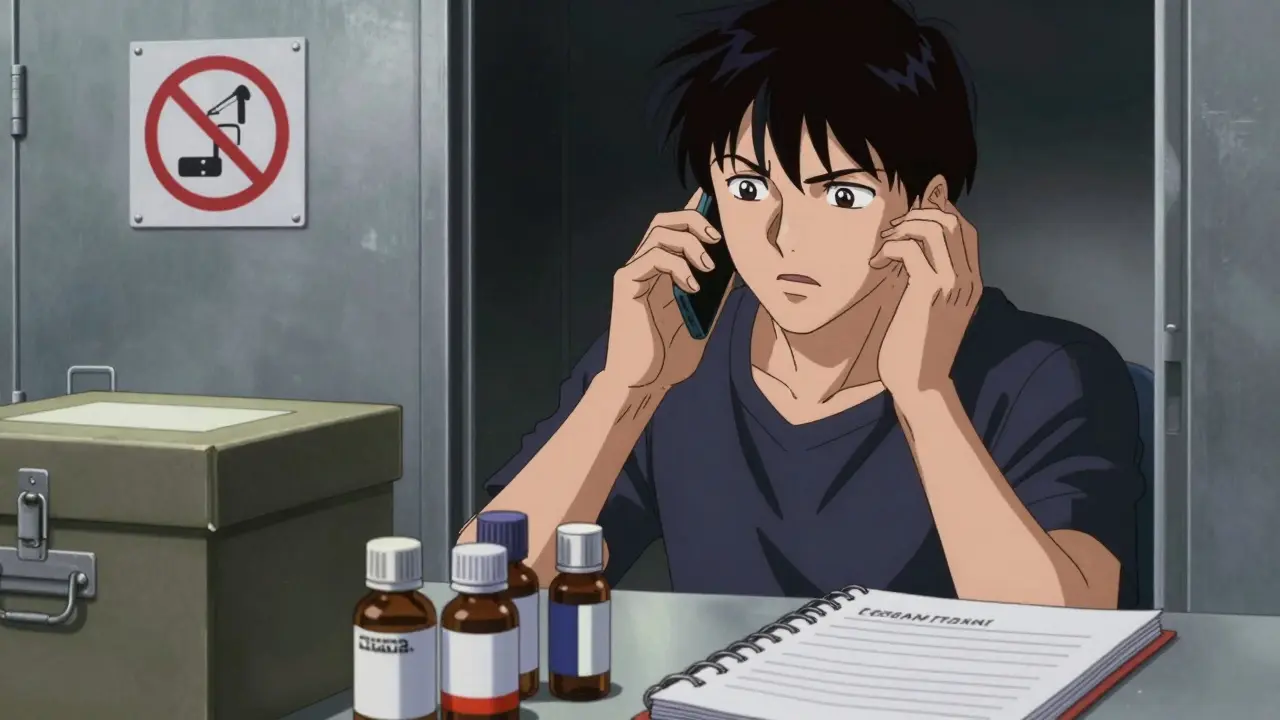
Despite your best efforts, accidents can happen. If you suspect someone has ingested medication they shouldn't have, act fast. Call the Poison Help hotline at 1-800-222-1222 immediately. They provide expert guidance 24/7 and can tell you whether you need to go to the ER. If the person is unconscious, not breathing, or has blue lips/fingernails, call 911 right away. If you have Naloxone (Narcan) in the house, administer it as directed while waiting for help. Many communities now offer free Narcan kits; consider keeping one accessible near your medication storage area.
Creating a Household Safety Culture
Secure storage is a family effort. Talk to your household members about why these medications are locked up. Explain that it’s not about distrust, but about safety. For older children and teenagers, educate them on the dangers of mixing prescription drugs with alcohol or other substances. Open communication reduces curiosity and empowers them to seek help if they or their friends are struggling with substance misuse. Remember, every unsecured prescription creates a potential risk for everyone in the home. By taking these steps, you are building a safer environment for yourself and your loved ones.
Where is the safest place to store opioids at home?
The safest place is a locked medication box stored at least 4 feet off the ground, in a dry, cool location away from direct sunlight. Avoid bathrooms due to humidity and kitchens due to easy access. The box should be secured to a wall or heavy furniture to prevent removal.
Do I really need a lockbox if I live alone?
Yes. Even if you live alone, visitors, cleaning staff, or future roommates may have access to your home. Additionally, locking up medications helps prevent personal misuse or overuse during times of stress. It serves as a physical barrier that encourages adherence to prescribed dosing schedules.
How do I dispose of unused high-risk medications?
The best method is to use a DEA-authorized collection site or a pharmacy drop-box. You can find these locations via the DEA's website. If no collection site is available, mix the pills with an unappealing substance like dirt or used coffee grounds, place them in a sealed container, and throw them in the trash. Remove all personal information from the prescription labels before discarding.
Are child-resistant caps enough to keep kids safe?
No. While child-resistant caps are effective, studies show that many children can open them within a short time. Caps are a first line of defense, but they should always be combined with a locked container and elevated storage to ensure true safety.
What should I do if my child swallows a pill?
Call the Poison Help hotline at 1-800-222-1222 immediately. Have the medication bottle ready to provide details on the drug name, strength, and approximate amount ingested. Follow the instructions given by the poison control specialist. Do not wait for symptoms to appear.
