
Prevention Strategy Finder
Answer these three questions to find the most appropriate prevention approach based on the clinical guidelines mentioned in the article.
Recommended Approach
It feels like a cruel joke: you take a round of antibiotics to clear up a stubborn infection, only to end up with a different, itchier problem. If you've ever dealt with that intense burning or a white, cottage-cheese-like discharge after a prescription, you're not alone. Roughly 30% of people with vaginas experience a yeast infection during or after antibiotic therapy. The reason is simple but frustrating-the same medicine killing the bad bacteria in your throat or bladder often wipes out the "good" bacteria in your vaginal microbiome, leaving the door wide open for yeast to take over.
Why Antibiotics Trigger Yeast Infections
Your vagina is home to a complex ecosystem. The MVP here is Lactobacillus is a group of beneficial bacteria that maintain a healthy vaginal pH between 3.8 and 4.5. These bacteria produce hydrogen peroxide, which acts like a natural security system to keep yeast from growing out of control.
When you take broad-spectrum antibiotics-like amoxicillin or tetracycline-the medicine doesn't distinguish between the infection you're fighting and the Lactobacillus keeping you balanced. Once those protective bacteria are gone, Candida albicans, the fungus responsible for about 90% of yeast infections, begins to multiply rapidly. This shift in microbial ecology leads to Vaginal Candidiasis, the medical term for a yeast infection.
Spotting the Signs Early
Knowing the difference between a yeast infection and other issues is vital because treating the wrong thing can make it worse. About 64% of people who self-diagnose a yeast infection actually have bacterial vaginosis or another condition entirely. Look for these specific red flags:
- Intense itching and irritation in the vaginal area.
- Thick, white, odorless discharge that looks like cottage cheese.
- A burning sensation during urination or sex.
- Redness and swelling of the vulva.
If you're not sure, a quick swab at the doctor's office is the only way to be 100% certain. Trying to treat a bacterial infection with antifungal cream won't work and may delay the right treatment.
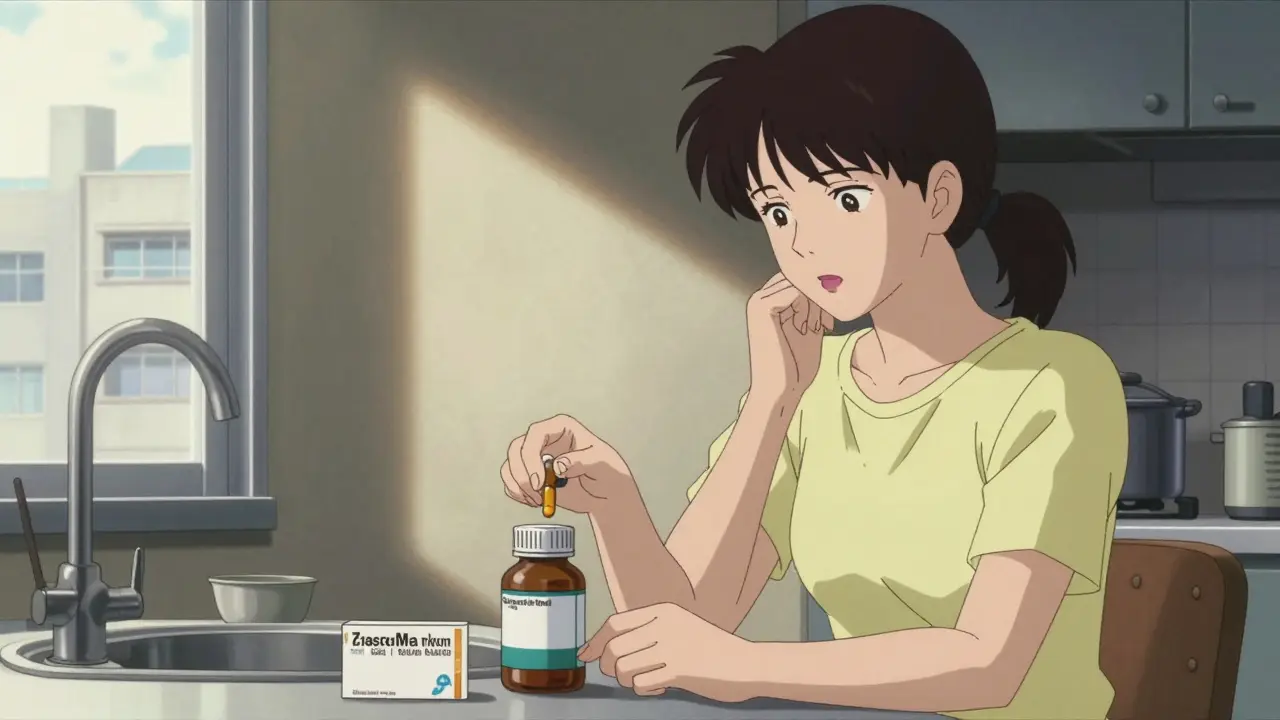
How to Prevent Infections During Antibiotic Treatment
You don't have to just wait for the itching to start. There are proactive ways to protect your microbiome while you're on medication. The goal is to either keep the yeast in check or replace the bacteria the antibiotics are killing.
Strategic Use of Probiotics
Adding Probiotics to your routine can reduce your risk by up to 50%. Look for supplements containing Lactobacillus rhamnosus GR-1 or Lactobacillus reuteri RC-14. To make sure the antibiotics don't just kill the probiotics you're paying for, take your supplement about 2 hours before or after your antibiotic dose. Aim for at least 10 billion CFU (Colony Forming Units) daily to give your system a fighting chance.
Preventive Antifungals
For those who get a yeast infection every single time they take antibiotics, a proactive antifungal approach is often more effective. Some doctors suggest starting an over-the-counter (OTC) cream like Clotrimazole on the same day you start your antibiotics. Research suggests that 7-day regimens are about 15% more effective than the quick one-day fixes. In severe or recurrent cases, a prescription for Fluconazole (Diflucan) may be used as a preventative measure throughout the course of treatment.
| Method | Typical Efficacy | Best For... | Key Tip |
|---|---|---|---|
| Vaginal Probiotics | ~50% Reduction | Mild/Occasional risk | Take 2 hours apart from antibiotics |
| OTC Antifungals | 60-70% Prevention | Moderate risk | Use 7-day courses over 1-day |
| Prescription Fluconazole | ~85% Prevention | High/Recurrent risk | Consult doctor for dosing schedule |
Treatment Options: Clearing the Infection
If the prevention didn't work and the symptoms have arrived, you have a few paths depending on the severity of the case.
Over-the-Counter (OTC) Solutions
For a standard, uncomplicated infection, OTC creams or suppositories like Miconazole (Monistat) or Butoconazole generally have an 80-90% cure rate. These work by attacking the fungal cell walls. Be aware that some people find these suppositories irritating; if you experience intense burning, switch to a different brand or consult your provider.
Prescription Strength Medication
If OTC treatments fail, or if you have a complicated infection (like one caused by non-albicans strains), Fluconazole is the gold standard. A single 150mg dose often does the trick, but recurrent cases may require three doses spaced 72 hours apart. This typically reaches a 95% efficacy rate.
Special Considerations for Pregnancy
Pregnancy changes everything. Fluconazole is generally avoided in the second and third trimesters due to a higher risk of congenital malformations. Instead, doctors usually recommend boric acid suppositories or topical antifungals, which are safer for the baby while still treating the mother's symptoms.

Lifestyle Tweaks to Support Recovery
Medical treatment kills the yeast, but your daily habits determine if the yeast comes back. Yeast loves warm, moist, and sugary environments. To make your body a less inviting place for fungus, try these changes:
- Swap Your Undies: Wear 100% cotton underwear. Synthetics like nylon or polyester trap moisture and heat, which can increase the yeast growth rate by 50%. Cotton lets the skin breathe.
- Ditch the Douche: Douching is one of the worst things you can do for your vaginal health. It strips away 70-90% of your protective flora and raises the pH, making it easier for yeast to thrive.
- Watch the Sugar: While a strict "Candida diet" isn't a cure-all, cutting back on simple sugars (like white bread, soda, and candy) can help. High glucose levels in the body can increase vaginal glucose concentrations, essentially feeding the yeast.
- Avoid Scents: Scented soaps and feminine sprays can disrupt your pH balance by up to 2.0 units, which essentially disables your natural defenses.
When to See a Doctor Immediately
Most yeast infections are a nuisance, but some signals mean you need professional help right away. Don't try to self-treat if you notice:
- Fever or chills accompanying the vaginal discharge.
- A foul or fishy odor (this usually indicates bacterial vaginosis, not yeast).
- Sores or blisters in the genital area.
- Symptoms that don't improve after a full course of OTC treatment.
- You have an underlying condition like uncontrolled diabetes or a compromised immune system (e.g., HIV), as these can make infections much harder to clear.
Can I take more antibiotics to get rid of a yeast infection?
No. This is a common mistake. Antibiotics kill bacteria, but yeast is a fungus. Taking more antibiotics will actually kill more of the good bacteria that fight yeast, which will make your infection worse and more severe.
How long does it take for a yeast infection to clear up?
With proper treatment, most uncomplicated infections resolve within 1 to 2 weeks. Some OTC creams work in 3 days, while others require a full 7 days for complete eradication.
Do probiotics actually work for yeast infections?
Yes, specifically those containing Lactobacillus rhamnosus and Lactobacillus reuteri. They help restore the natural balance of the vaginal microbiome, reducing the risk of infection by about 50% when taken during antibiotic therapy.
Is it okay to use apple cider vinegar for a yeast infection?
It is not recommended. While vinegar is acidic, applying it to the sensitive vaginal tissue can cause chemical burns and further disrupt the delicate pH balance, potentially worsening the irritation.
Why do I keep getting yeast infections after every course of antibiotics?
You may have a higher predisposition to yeast overgrowth or be using broad-spectrum antibiotics that are particularly aggressive toward your vaginal flora. Discussing a preventative prescription of Fluconazole with your doctor is often the best solution for recurrent cases.

Andre Ojakäär
basically just common sense if you actually read a textbook but here we are explaining it for the millionth time lol
Majestic Blue Band
It is absolutely laughable that we are told to trust these corporate-funded probiotics when you realize that the pharmaceutical industry intentionally designs broad-spectrum antibiotics to wipe out everything in order to create a lifelong dependency on antifungal medications and supplements, which are just another way to funnel money from our pockets into their offshore accounts while they keep us in the dark about the actual holistic ways to balance a microbiome that probably wouldn't even be an issue if we weren't being poisoned by the very water and air we consume every single day because the government wants us sick and docile.
Edwin Perez
Typical big pharma play. They give you the poison and then sell you the cure for the side effect of the poison. Wake up people.
Anand Mehra
surprising how many people still think sugar is the main culprit here. it is more about the systemic collapse of flora than just a candy bar
Kristen O'Neal
I've tried the probiotics and they definitely made a difference for me! I'm curious if taking them alongside a high-fiber diet helps the Lactobacillus stick around longer.
Hayley Redemption
The suggestion to simply "swap your undies" is a bit reductive. While cotton is obviously superior to synthetic fabrics, the physiological impact of glucose concentration in the vaginal mucosa is far more significant than the mere breathability of a garment.
Gauri Parab
Exactly. This whole list of "lifestyle tweaks" is essentially just basic hygiene and dietary advice masquerading as medical insight. It is honestly embarrassing that this is presented as a revolutionary recovery strategy when any basic biology student knows that pH stability is an endocrine and microbial issue, not a laundry choice.
suresh kumar
Man this is some juicy stuff to read haha! Just imagine the chaos in there when the bad guys take over the castle
Eric Mwiti
Oh sure, because wearing cotton underwear is definitely the missing piece of the puzzle in modern medicine. Truly a groundbreaking discovery.
Michael Chukwuma
I really appreciate how you mentioned the difference between this and BV. So many people waste time on the wrong treatment.
Karyn Tindall
The horror of thinking you're treating a yeast infection for a week only to realize it was something else is just too much to bear! My heart goes out to everyone who has struggled with the guesswork!
Beena Garud
One must reflect upon the delicate equilibrium of the human body. It is a poignant reminder that every action, even a curative one, possesses an equal and opposite reaction within our biological systems, necessitating a holistic approach to wellness rather than a mere reliance on pharmacological intervention.