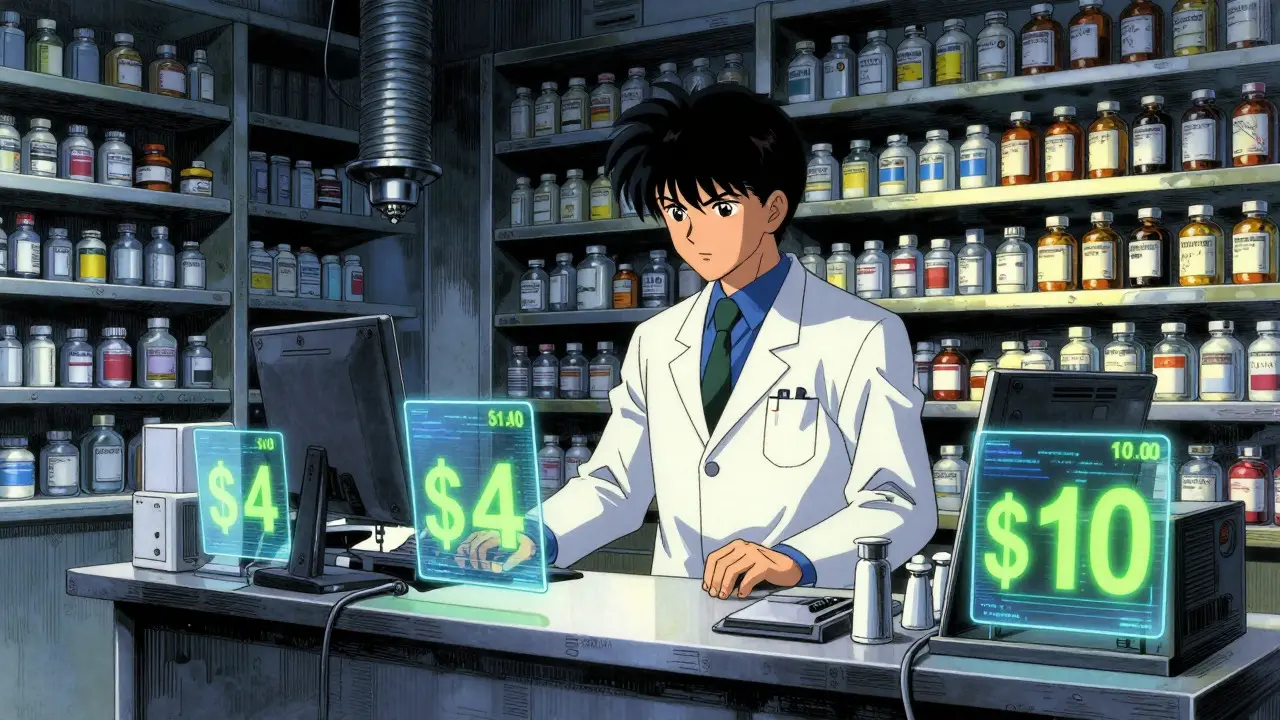
Walk into any pharmacy in the United States today, and you will likely see a sign advertising $4 or $10 generic lists. It feels like a win for consumers. But behind that simple price tag lies a tangled web of federal statutes, state regulations, and private contracts that determine exactly how much money actually reaches the pharmacist’s pocket. If you have ever wondered why your insurance copay is higher than the cash price, or why independent pharmacies are closing at alarming rates, the answer isn't just about greed-it's about how pharmacy reimbursement models interact with substitution laws.
The system was designed to save money by pushing patients toward cheaper generic alternatives. Yet, for many pharmacists, dispensing a generic can sometimes mean losing money on the transaction. Understanding this dynamic requires looking past the shelf price and into the legal and financial machinery driving the industry.
The Legal Foundation: Hatch-Waxman and Generic Access
To understand where we are, we have to look back at 1984. The Hatch-Waxman Act, formally known as the Drug Price Competition and Patent Term Restoration Act, created the pathway for generic drugs to enter the market without repeating expensive clinical trials. This law established the Abbreviated New Drug Application (ANDA) process. It balanced two competing interests: protecting brand-name manufacturers' patents while allowing generics to flood the market once those patents expired.
This legislation fundamentally changed pharmacy economics. Before Hatch-Waxman, brand-name drugs dominated. Afterward, generics became the standard of care. Today, generics represent approximately 90% of all prescriptions filled in the US, yet they account for only about 23% of total drug spending. This massive volume creates the leverage that drives modern reimbursement models. However, the law also introduced complexities like "authorized generics," where a brand manufacturer releases its own version of a generic to compete with other generic makers, potentially limiting true market competition.
How Pharmacies Get Paid: AWP vs. MAC
When an insurance company pays a pharmacy, it doesn't pay the retail price. It uses specific formulas to calculate what it owes the pharmacy for the drug itself (ingredient cost) plus a fee for the service of dispensing it. For generic drugs, two primary models dominate: Average Wholesale Price (AWP) minus a percentage, and Maximum Allowable Cost (MAC).
| Model | Calculation Method | Risk to Pharmacy | Typical Use Case |
|---|---|---|---|
| AWP Minus Percentage | Takes a benchmark wholesale price and subtracts a fixed % (e.g., AWP - 20%) | Moderate; if acquisition cost is lower than the calculated amount, pharmacy profits. | Common in commercial insurance plans for high-volume generics. |
| Maximum Allowable Cost (MAC) | Sets a hard cap on reimbursement based on actual purchase costs from wholesalers. | High; if the pharmacy buys the drug for more than the MAC rate, they lose money on every pill. | Frequently used by PBMs for common generics like metformin or lisinopril. |
The MAC model is particularly controversial. Under this system, the Pharmacy Benefit Manager (PBM) sets a maximum amount they will reimburse for a specific generic drug. If the pharmacy purchases that drug from their wholesaler for a price higher than the MAC rate, the pharmacy absorbs the loss. With generic drug prices fluctuating daily and supply chains disrupted, this creates significant financial instability for community pharmacies.
The Role of PBMs and Spread Pricing
Pharmacy Benefit Managers (PBMs) act as intermediaries between insurers, drug manufacturers, and pharmacies. Companies like CVS Caremark, Express Scripts, and OptumRX control over 80% of prescription claims in the US. Their business model relies heavily on negotiating rebates from manufacturers and managing the flow of payments.
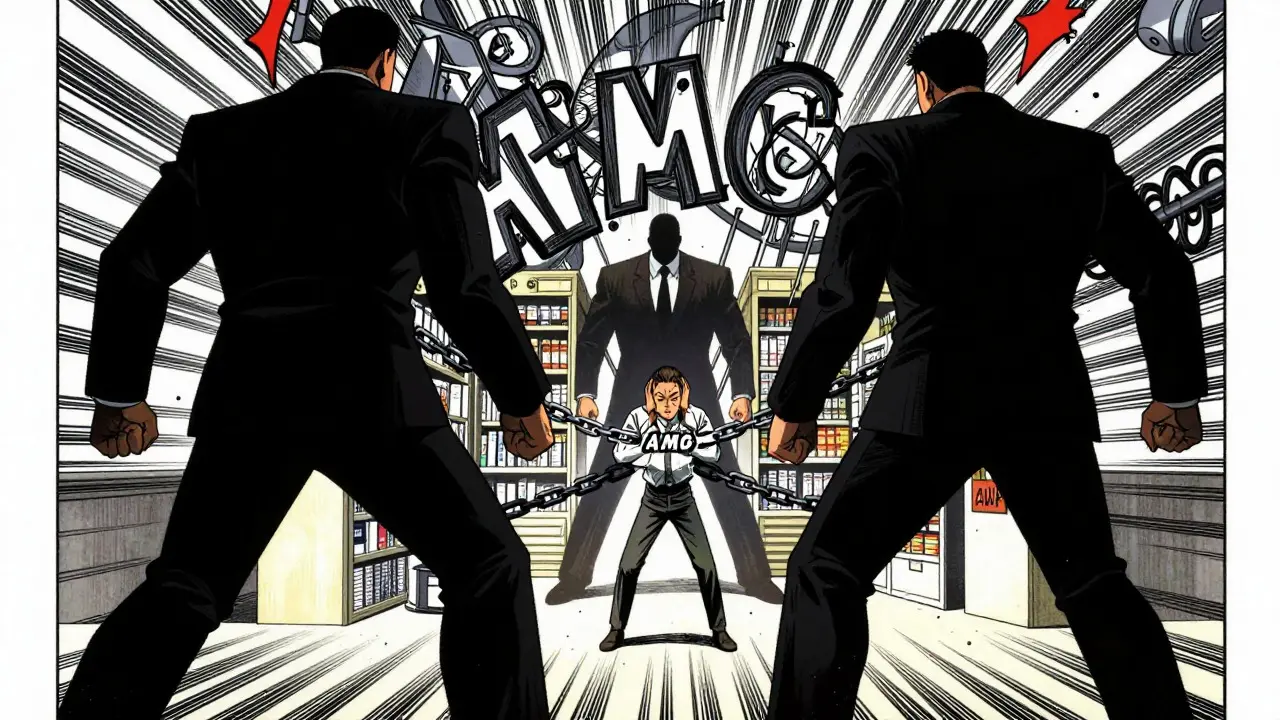
A critical component here is "spread pricing." In this practice, the PBM bills the insurer one amount for a drug but reimburses the pharmacy a lower amount, keeping the difference. While this generates revenue for the PBM, it often obscures the true cost of medication. Until 2018, many PBM contracts included "gag clauses" that legally prevented pharmacists from telling patients if paying cash out-of-pocket would be cheaper than using their insurance copay. Although these clauses were banned, the legacy of opaque pricing remains a major point of contention in healthcare policy.
Medicare Part D and the New List Model
For seniors, Medicare Part D is the primary vehicle for outpatient prescription coverage. As of 2023, it covered over 50 million beneficiaries. Historically, Part D formularies required complex tier structures, with generics usually placed on lower tiers to encourage use. However, the landscape is shifting rapidly due to new initiatives from the Centers for Medicare & Medicaid Services (CMS).
In 2025, CMS introduced the voluntary Medicare $2 Drug List Model. This initiative aims to simplify cost-sharing for low-cost, clinically important generic drugs. Instead of varying copays based on formulary tiers, participating plans offer a flat $2 copay for a defined list of approximately 100-150 generic medications. The selection criteria include the drug's clinical role, frequency of use among Medicare patients, and potential for supply interruptions.
This model mimics the successful retail strategies seen in grocery store pharmacies, aiming to improve medication adherence by removing financial guesswork. If a patient knows their blood pressure medication will always cost $2, they are less likely to skip doses due to cost concerns. However, this puts pressure on pharmacies to ensure their dispensing fees are sufficient to cover operational costs when the drug margin is virtually eliminated.
State Substitution Laws and Patient Choice
Federal law sets the baseline, but state laws dictate the mechanics of substitution. Most states have automatic substitution laws, which allow pharmacists to dispense a generic equivalent unless the prescriber explicitly writes "Dispense as Written" (DAW). These laws are crucial for cost containment. Studies suggest that promoting generic substitution could yield billions in savings for programs like Medicare.
However, not all states are equal. Some states mandate that pharmacists inform patients of the generic option before dispensing a brand-name drug. Others require prior authorization for brand names even when a generic exists. These variations create administrative burdens. Physicians and office staff spend an average of 13 to 19 hours per week handling prior authorizations, many of which involve switching patients from brand to generic or vice versa. This friction can delay treatment and increase costs for healthcare providers.
Impact on Independent Pharmacies
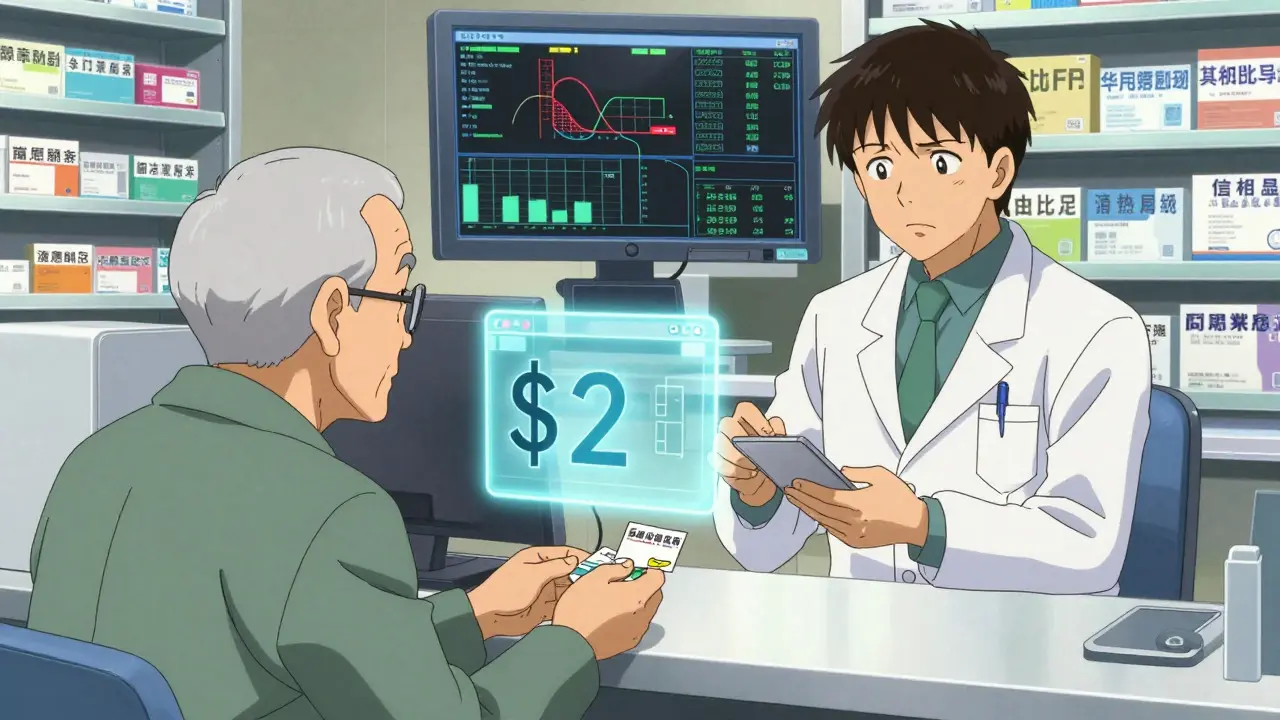
The current reimbursement environment has been brutal for independent pharmacies. While large chains benefit from economies of scale and direct relationships with PBMs, independents often face razor-thin margins. Data from the National Community Pharmacists Association shows that average generic drug reimbursement margins dropped from 3.2% in 2018 to just 1.4% in 2023.
When combined with rising overhead costs and labor shortages, this margin compression forces many community pharmacies to close. The reliance on MAC pricing exacerbates this issue. If a wholesaler raises the price of a generic antibiotic by 10%, but the PBM keeps the MAC rate static, the pharmacy loses money on every script filled. This dynamic discourages independents from stocking certain generics, potentially reducing access for rural or underserved communities.
Future Trends and Regulatory Shifts
The industry is at a crossroads. Several trends point toward greater transparency and potential structural changes:
- PBM Regulation: Forty-four states have enacted laws addressing pharmacy reimbursement practices, including requirements for fair appeals processes and transparency in generic drug payments.
- Out-of-Pocket Caps: The Inflation Reduction Act of 2022 introduced a $2,000 annual out-of-pocket cap for Medicare Part D beneficiaries starting in 2025. This shifts some financial risk back onto insurers and PBMs, potentially altering how they negotiate generic contracts.
- Value-Based Payment: There is a long-term move away from fee-for-service reimbursement toward value-based models. While still years away from full implementation, this approach would reward pharmacies for health outcomes rather than just volume of scripts filled.
Additionally, the Federal Trade Commission is scrutinizing "pay-for-delay" settlements, where brand manufacturers pay generic makers to delay market entry. Breaking these anti-competitive practices could increase generic competition, driving down prices further but also squeezing reimbursement rates even tighter.
Practical Takeaways for Stakeholders
For patients, understanding these models means being proactive. Always ask if a generic is available. If your copay seems unusually high, ask your pharmacist if paying cash might be cheaper-a right you now have thanks to the ban on gag clauses. For pharmacists, staying informed about MAC rate updates and leveraging therapeutic product profile analysis can help navigate reimbursement challenges. For policymakers, the goal must be balancing cost control with sustainable pharmacy operations to ensure access remains universal.
What is the difference between AWP and MAC pricing?
AWP (Average Wholesale Price) is a benchmark price used to calculate reimbursement, typically by subtracting a percentage. MAC (Maximum Allowable Cost) is a hard cap set by PBMs on what they will reimburse for a generic drug. MAC pricing carries higher risk for pharmacies because if their acquisition cost exceeds the MAC rate, they lose money on the sale.
Why do some generic drugs cost more with insurance than paying cash?
This often happens due to plan deductibles or formulary placement. If you haven't met your deductible, you may pay the full negotiated price, which can be higher than a retail cash discount program. Additionally, some PBMs use spread pricing, where the reimbursement to the pharmacy is lower than the billed amount, affecting overall cost structures.
How does the Hatch-Waxman Act affect generic drug availability?
The Hatch-Waxman Act created the ANDA pathway, allowing generic manufacturers to prove bioequivalence to brand-name drugs without repeating costly clinical trials. This accelerated the entry of generics into the market, significantly lowering costs and increasing access for millions of patients.
What is the Medicare $2 Drug List Model?
It is a voluntary CMS initiative launched in 2025 that allows Medicare Part D plans to offer a flat $2 copay for a selected list of low-cost, clinically important generic drugs. The goal is to simplify cost-sharing and improve medication adherence for seniors.
Are gag clauses still legal in pharmacy contracts?
No. Gag clauses, which prohibited pharmacists from informing patients if cash payment was cheaper than their insurance copay, were banned at the federal level in 2018. Pharmacists are now free to disclose this information to patients.
