
Finishing cancer treatment is a huge milestone, but for many, the end of active therapy feels like stepping off a cliff. One day you're seeing a team of specialists every week; the next, you're told to "follow up with your primary doctor." This transition is where things often go wrong. When a primary care physician doesn't have the full picture of what drugs you took or how much radiation you received, critical screenings can be missed, and late-appearing side effects might be ignored. That is why a survivorship care plan is not just a piece of paperwork-it is a roadmap for your long-term health.
Think of this plan as a bridge between your oncology team and your regular doctor. It ensures that the specialized knowledge from the cancer center follows you home. Without it, you're left to remember complex dosages and specific test dates, which is a lot to ask of someone who has just gone through the trauma of cancer treatment.
Key Takeaways for Survivors
- What it is: A detailed summary of your diagnosis and treatment combined with a specific calendar for future screenings.
- Why it matters: It reduces the risk of "falling through the cracks" and ensures your primary doctor knows exactly what to monitor.
- Crucial components: Includes treatment dates, drug dosages, radiation sites, and a schedule for recurrence tests.
- The goal: To manage "late effects"-side effects that appear months or years after treatment ends.
What Exactly Is a Survivorship Care Plan?
At its core, a Survivorship Care Plan is a structured medical record that documents a patient's cancer history and provides evidence-based recommendations for follow-up care . It was first popularized by the Institute of Medicine to solve a specific problem: the "lost in transition" phase. When survivors move from a high-intensity oncology environment back to primary care, a massive amount of data is often lost.
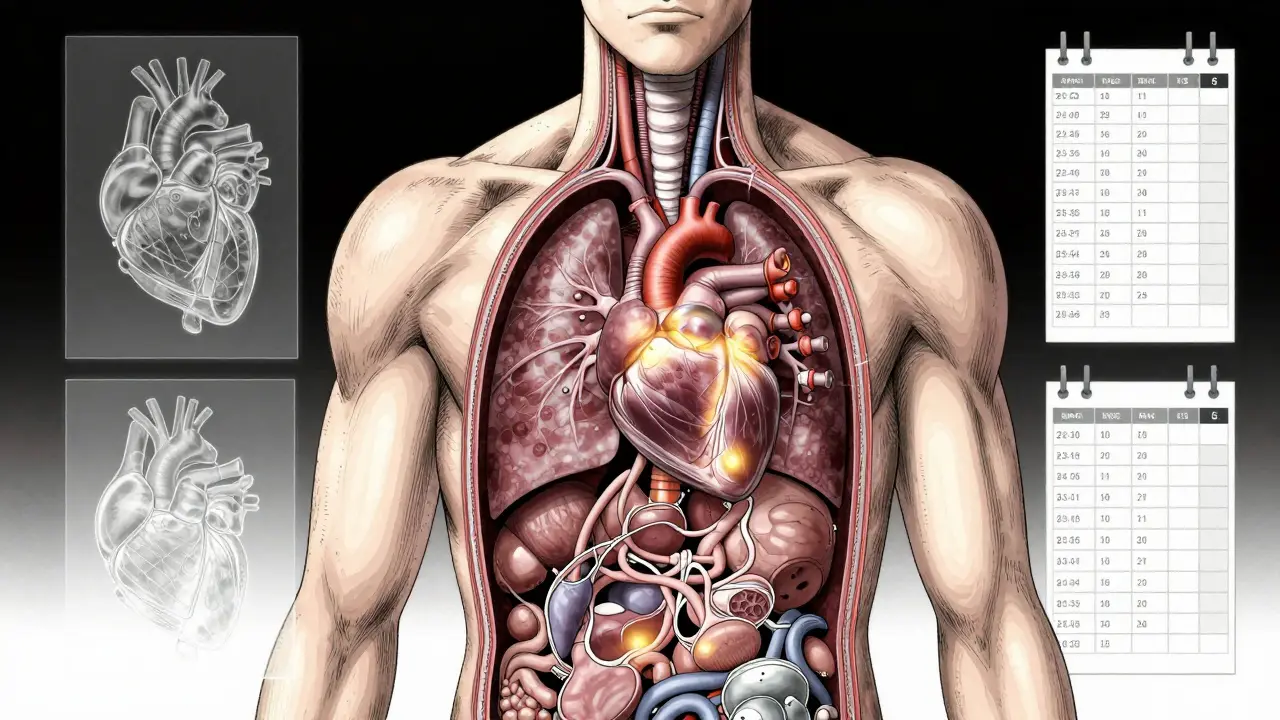
A complete plan consists of two main parts. First, the Treatment Summary. This isn't just a note saying you had chemotherapy; it's a granular record. It includes the exact histology of the tumor, the stage at diagnosis, the specific drug regimens, and the total dose of radiation. For example, if you received anthracyclines, the plan needs to list the total dose in mg/m² because that number determines if you need lifelong heart monitoring.
The second part is the Follow-up Plan. This is your calendar. It tells you and your doctor exactly when to get a blood test, when to schedule a CT scan, and which specialist needs to see you and how often. It moves the conversation from "I think I need a check-up soon" to "I need a mammogram every 12 months for the next five years."
Managing the "Late Effects" of Treatment
One of the most misunderstood parts of cancer recovery is that treatment doesn't always stop affecting you when the infusions end. Late Effects are health problems that occur months, years, or even decades after cancer treatment has been completed . These can range from cognitive "chemo brain" and fatigue to more serious issues like heart failure or secondary cancers.
Because these effects are often delayed, they can be invisible to a doctor who wasn't part of your treatment team. For instance, chest radiation for Hodgkin lymphoma can increase the risk of breast cancer years later. A survivor who has a care plan knows they need annual mammograms starting eight years after their radiation; a survivor without one might simply wait until they feel a lump, potentially missing an early window for detection.
The Children's Oncology Group (COG) provides a gold standard for this. They track 72 distinct late effects across 15 different organ systems. This level of detail is vital because it allows doctors to use "risk-adapted" care-meaning they monitor you more intensely if you had a high-dose treatment and less so if your treatment was mild.
The Screening Schedule: What to Expect
Follow-up care isn't just about looking for the cancer to come back; it's about monitoring the damage the treatment may have caused. Your screening schedule will vary wildly depending on your specific cancer and the tools used to treat it.
| Treatment Exposure | Potential Late Effect | Typical Screening/Action |
|---|---|---|
| Anthracycline Chemotherapy | Cardiotoxicity (Heart Damage) | Echocardiogram every 5 years if dose >250 mg/m² |
| Chest Radiation | Secondary Breast Cancer | Annual mammograms starting 8 years post-radiation |
| Hormone Therapy | Bone Density Loss | DEXA scan for osteoporosis baseline and follow-up |
| Pelvic Radiation | Bowel or Bladder Dysfunction | Regular urological or gastroenterological exams |
It is a common mistake to assume that if you feel fine, you don't need these tests. Many late effects, like heart valve issues or bone density loss, are asymptomatic until they reach a critical point. The plan removes the guesswork, ensuring the test happens before the symptom appears.
How to Actually Use Your Care Plan
Having a plan is only half the battle. The reality is that many survivors receive these documents but never actually use them. In fact, studies suggest less than half of survivors actually bring their plan to their primary care appointments. To make the document work for you, you have to be the coordinator.
- Review it at the end of treatment: Don't let the plan be a "surprise" document mailed to you months later. Sit down with your oncologist and ask: "What are the three biggest things my primary doctor needs to watch for?"
- Schedule a "Hand-off" appointment: Book a visit with your primary care physician (PCP) specifically to review the survivorship plan. Do not wait until your next routine physical.
- Digitize the record: Scan your plan and keep it in a secure cloud folder or health app. This allows you to share the PDF instantly with any new specialist you visit.
- Set your own alerts: Don't rely on the doctor's office to remember a test that only happens every three years. Put those dates in your own digital calendar with reminders.
The Future: AI and Personalized Recovery
We are moving away from the "one-size-fits-all" approach to recovery. New tools, like the ASCO Survivorship Care Plan Builder, use dozens of treatment variables to generate personalized plans in minutes, ensuring that a patient who had a specific combination of surgery and immunotherapy gets a different roadmap than someone who had radiation and chemotherapy.
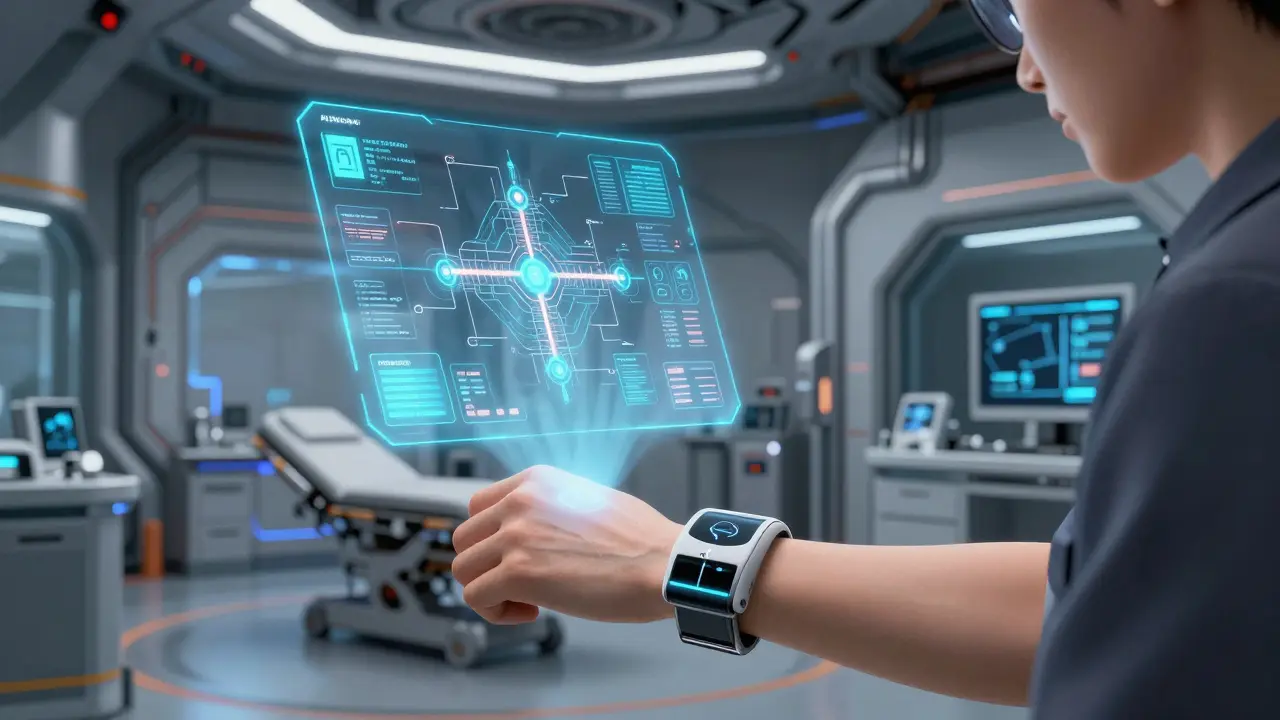
We're also seeing the rise of genomic risk stratification. Some academic centers are now using polygenic risk scores to predict who is most likely to develop a secondary cancer, allowing them to ramp up screening for high-risk individuals while reducing unnecessary scans for those at low risk. In the near future, we can expect wearable devices that sync directly with these plans, alerting your doctor in real-time if your heart rate or activity levels suggest a late effect is emerging.
Common Pitfalls to Avoid
Even with a plan, gaps in care happen. One of the biggest issues is "interoperability"-the fancy way of saying that the cancer center's computer can't talk to the primary doctor's computer. If you assume the records were sent electronically, you might be mistaken. Always verify that your PCP has the actual document in their hand (or on their screen).
Another pitfall is the "all clear" mentality. Some survivors feel that once they are in remission, the cancer is "gone" and they can stop thinking about it. While a mental break is healthy, the biological impact of the treatment remains. The survivorship plan is there to manage the cure, not just the disease.
Who is responsible for creating the survivorship care plan?
The plan is typically created by your oncology team (oncologists, oncology nurses, and social workers) at the end of your active treatment. However, it is a collaborative effort. You should provide a history of any new symptoms you've noticed, and your team will provide the medical data and evidence-based screening schedules.
What if my doctor doesn't offer a survivorship plan?
If your provider doesn't proactively offer one, ask for a "Treatment Summary" and a "Follow-up Schedule." You can also use tools from organizations like the American Cancer Society or the National Coalition for Cancer Survivorship to help guide the conversation and ensure no critical information is missing.
How often should my follow-up plan be updated?
While the treatment summary remains the same, the follow-up plan should be reviewed at every major milestone (e.g., every year). As you move further away from your diagnosis, the frequency of tests usually decreases, but new concerns or age-related health changes may require updating your screening triggers.
Does a survivorship plan cover mental health?
Comprehensive plans should include resources for psychosocial support, including referrals to counselors or support groups. Mental health late effects, such as anxiety, depression, and PTSD, are common and just as important to monitor as physical health.
Can I change the screenings in my plan?
The screenings are based on evidence and your specific risk factors, but they aren't set in stone. If you experience new symptoms or your health status changes, your doctor may increase the frequency of tests or add new ones to the plan to ensure you're safely monitored.
Next Steps for Your Recovery
If you have just finished treatment, your first priority is to secure your physical and digital copies of your care plan. If you are already a few years into survivorship, it is never too late to request a retrospective summary of your treatment to share with your current providers.
For those managing pediatric survivors, remember that the transition to adult care is a separate, complex process. Start the transition planning early-ideally during the final stages of treatment-to ensure that the specialized knowledge from pediatric oncology is successfully transferred to an adult specialist who understands late effects.

Betty Kawira
Just wanted to add that if your oncologist is dragging their feet on the plan, you can actually request your full medical records through the patient portal. Most systems have a 'download all' feature now. It's a bit of a mess to sort through, but it's better than having nothing while you wait for the official summary. Also, don't be afraid to bring a friend or a spouse to that hand-off appointment with your PCP because the 'chemo brain' is real and you'll definitely forget a few things!
Nigel Gosling
Typical of the modern medical industrial complex to just hand you a piece of paper and call it a 'roadmap' while you're basically adrift in a sea of existential dread. The sheer audacity of suggesting a PDF is the cure for the trauma of fighting for your life is almost poetic in its coldness. We've reduced the human experience of survival to a series of calendar alerts and data points. It's an absolute tragedy that we value the 'interoperability' of computers more than the actual soul of the patient. Truly an indictment of our current era!
Kali Murray
so true about the digital copies ☁️📁
Abhishek Charan
Wait... why are we trusting AI to build these plans??? 🤖 It is absolutely reckless to let a machine decide the frequency of cancer screenings!!! What happens when the algorithm glitches and misses a secondary tumor??? Completely absurd... 🤦♂️
Ryan Wilson
The 'all clear' mentality is a total fairytale for people who can't handle the gritty reality of medical fragility. It's not a mental break, it's willful ignorance. Most people just want to pretend they're 'cured' so they can go back to their mediocre lives without acknowledging that their organs are basically scorched earth from the treatment. It's a delusional cycle of hope and denial that usually ends in a frantic emergency room visit when they finally notice a symptom they ignored for three years because they felt 'fine'.
Stephen Johnson
It's interesting to think about how this transition reflects our broader need for guidance during major life shifts. We spend so much time focusing on the battle of the treatment that we forget to prepare for the peace of recovery. There is a quiet strength in taking ownership of your health data like this. It's not just about the medicine; it's about reclaiming agency over your own body after it's been treated as a battlefield for so long. Just a thought for anyone feeling overwhelmed right now.
Kevin Taggart
i didn't know bout the heart stuff w/ chemo... scary :o
Jonathan Hall
While I appreciate the structured approach outlined here, I believe it is fundamentally important to recognize that every single person's biological response to these toxins is unique, and while a standardized plan is a start, the aggressive push toward AI-driven models might alienate those whose bodies don't fit the typical data curve, though I say this with the utmost respect for the medical professionals trying to save us all from the gaps in our current healthcare infrastructure which is frankly failing the most vulnerable among us in a way that is simply unacceptable.
Thomas Jorquez
I agree with the point about the records. I've had a few doctors lose my paperwork in the past, so keepin a digital copy is the only way to be sure.
Jean Robert
I just want to remind everyone reading this that you are not alone in feeling that 'cliff' sensation after treatment ends. It is a very heavy emotional burden to carry, but taking these small, practical steps like setting up your own calendar alerts can actually help you feel a bit more in control of your future. You've already fought the hardest battle of your life, and it's okay to take this recovery phase one slow step at a time, knowing that your health is a journey and not just a destination. Be gentle with yourselves and keep pushing forward.
Amber McCallum
Paperwork is just a distraction from the body's natural healing. You can't schedule wellness on a calendar. Real health comes from alignment, not from a list of scans and blood tests. If you're too focused on the 'plan', you're missing the actual experience of being alive. It's all just a game of control.
Kat G
This is very helpful information. It is important to be organized during recovery.